Picture this: in one city lives the biggest book seller in the world. He’s huge, like a dragon—he has millions of books, fast delivery, and entire office towers right in the heart of town. Surely, the little bookstores next door to such a giant could never survive. But in this very city—Seattle—something surprising happened. Small bookstores didn’t just survive; they flourished. Like flowers pushing through asphalt.
A Giant Was Born in a Garage
It all started in 1994. A young man named Jeff Bezos rented a small garage in the suburbs of Seattle and began selling books online. He called his store Amazon, after the longest river in the world. The idea was simple: why go to a store if you can order a book without leaving home?
At first, nobody was too worried. But then Amazon grew. Then it grew some more. And then even more. By the 2010s, it wasn’t selling just books anymore—it was selling almost everything. Small bookstores across America began closing one after another; they simply couldn’t compete with those prices and that speed.
And that’s when things get really interesting. In the city where this giant lived, the small bookstores decided not to give up.
The Move That Changed Everything
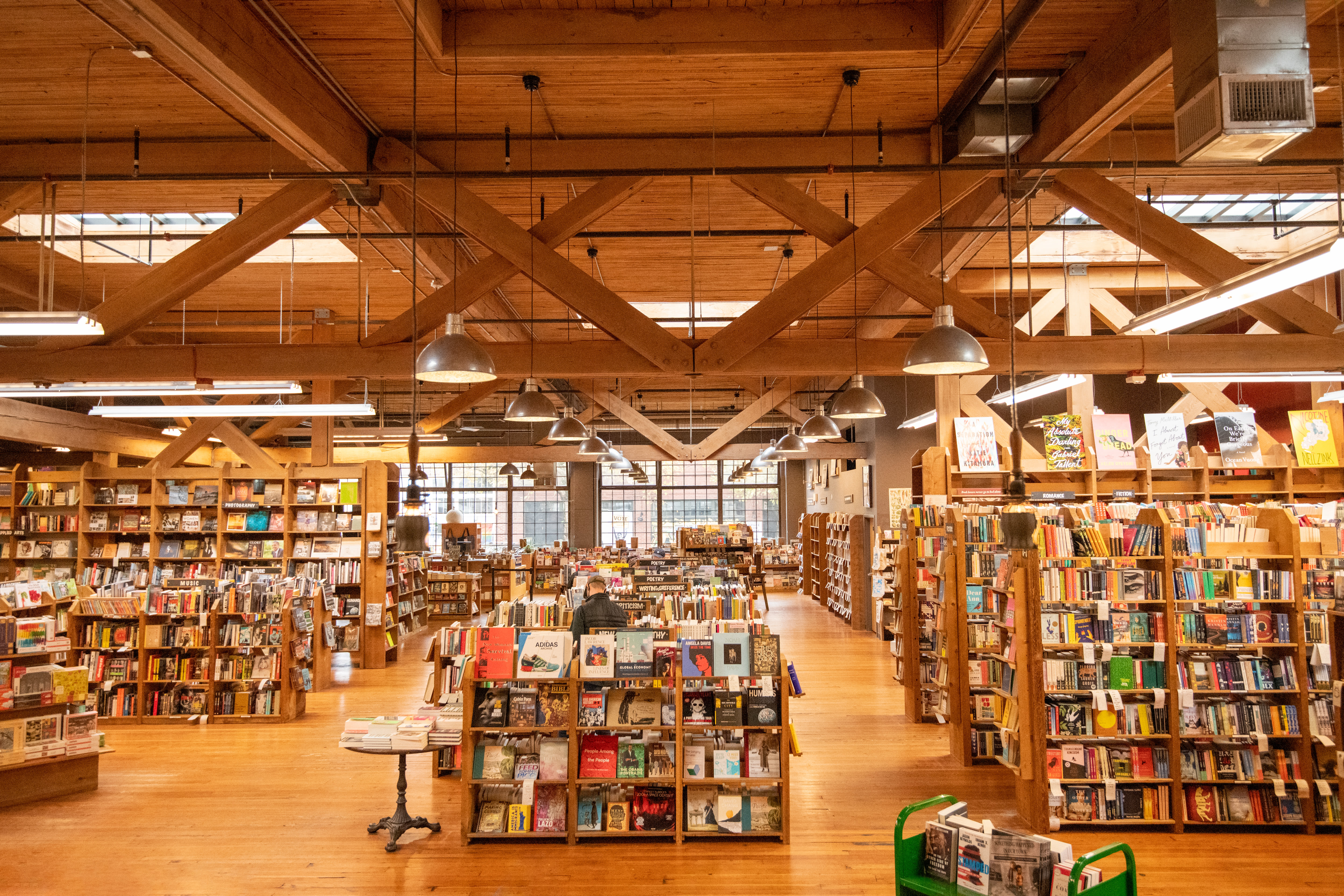
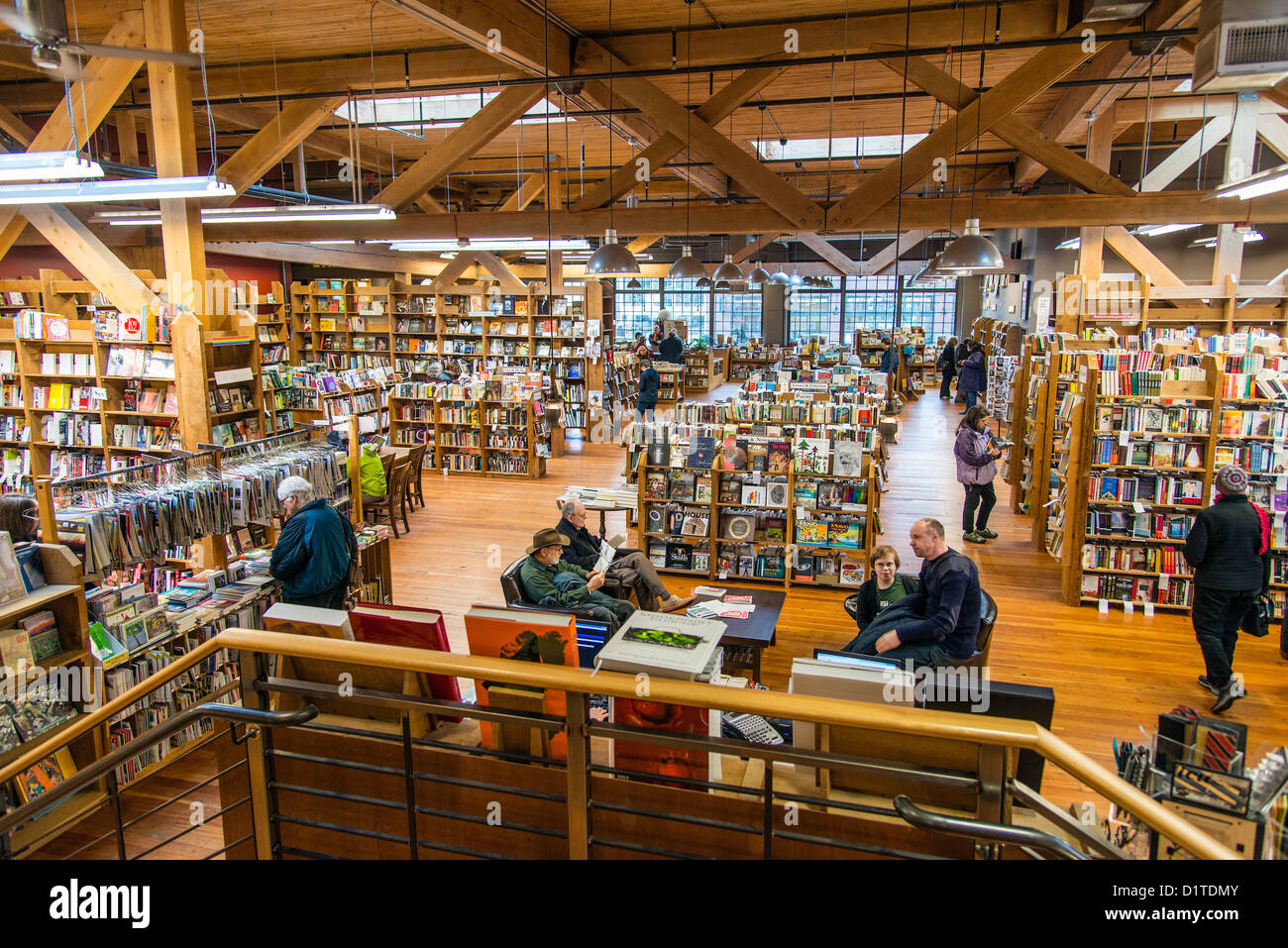
In 2010, one of Seattle’s most beloved bookstores—Elliott Bay Book Company—did something unusual. Instead of shutting down, it moved. From the old neighborhood to a new one, Capitol Hill, where many young people, artists, and just plain book lovers lived.
The new shop turned out cozy, like someone’s big living room. Wooden shelves reaching to the ceiling, soft chairs, the smell of coffee and paper. But most importantly, the store started hosting author events. Almost every evening, a writer would show up, sit on a little stage, and talk about their book. People asked questions, laughed, argued. It was nothing like what you could do online.
“A bookstore isn’t just a place where books are sold. It’s a place where people come together around ideas—and with each other,” Elliott Bay’s owners said.
And people kept coming. At first a bit, then more and more.
Why Seattle, Specifically?
Here’s the paradox—and that’s exactly what makes this story so astonishing to everyone who studies it. Seattle is a city of programmers and technology. Thousands of people work there for Amazon and Microsoft. It would seem that they should have been the first to give up paper books and switch to e-readers.
But it turned out the other way around.
It turned out that people who spend all day staring at screens want, above all, to come in the evening to a place without screens. A place where you can hold a book in your hands, smell the pages (yes, that’s very pleasant!), and talk to a real bookseller who has read it themselves and can tell you whether it will suit you.
One by one, new small shops opened in Seattle. Third Place Books expanded and opened several new locations. Ada’s Technical Books appeared—a store for people who love science and technology but want to read about them in paper form. There were bookstores in different languages, stores only for children, stores only for lovers of detective fiction.
By the mid-2010s, Seattle had turned into one of America’s most “bookish” cities—right under the dragon’s nose.
What Does This Teach Other Cities?
Seattle’s story isn’t just a pretty fairy tale. It’s a real lesson for other cities around the world. And here’s what it says:
A small store can beat a big one if it offers what the big one can’t. Amazon knows how to deliver books quickly. But it can’t hug you with a glance when you walk in from the cold. It can’t say, “Oh, you like dragons? Then this book is definitely for you—I cried at the end myself.” It can’t put on an evening where an author reads the first chapter of their new book aloud by candlelight.
Location matters. A bookstore isn’t just a shop. It’s a place in the neighborhood where people feel at home. Like a backyard—only with books.
What’s unique beats sameness. Every small store in Seattle became special—each had its own character, its favorite books, its own events. And people went there, not to a faceless online catalog with a million listings.
Today many cities—from Portland to Berlin—look at Seattle and think, “What if we can make it work too?” And in some cases, it has.
A Flower Through Asphalt
There’s something very important about the fact that Seattle, Amazon’s birthplace, became the city that showed that bookstores are alive. It’s as if, in a city where the television was invented, everyone suddenly fell in love with theater.
Maybe it tells us that people are not just customers. We don’t only want to get a book—we want to feel something when we pick it up. We want someone to recommend one to us. We want to sit in a cozy chair and hear the rain outside—as in Seattle, where rain happens an awful lot.
A small bookstore is like a flower that grew right through the asphalt beside a skyscraper. It’s smaller. More fragile. But it’s alive. And that’s exactly why people stop and look at it.