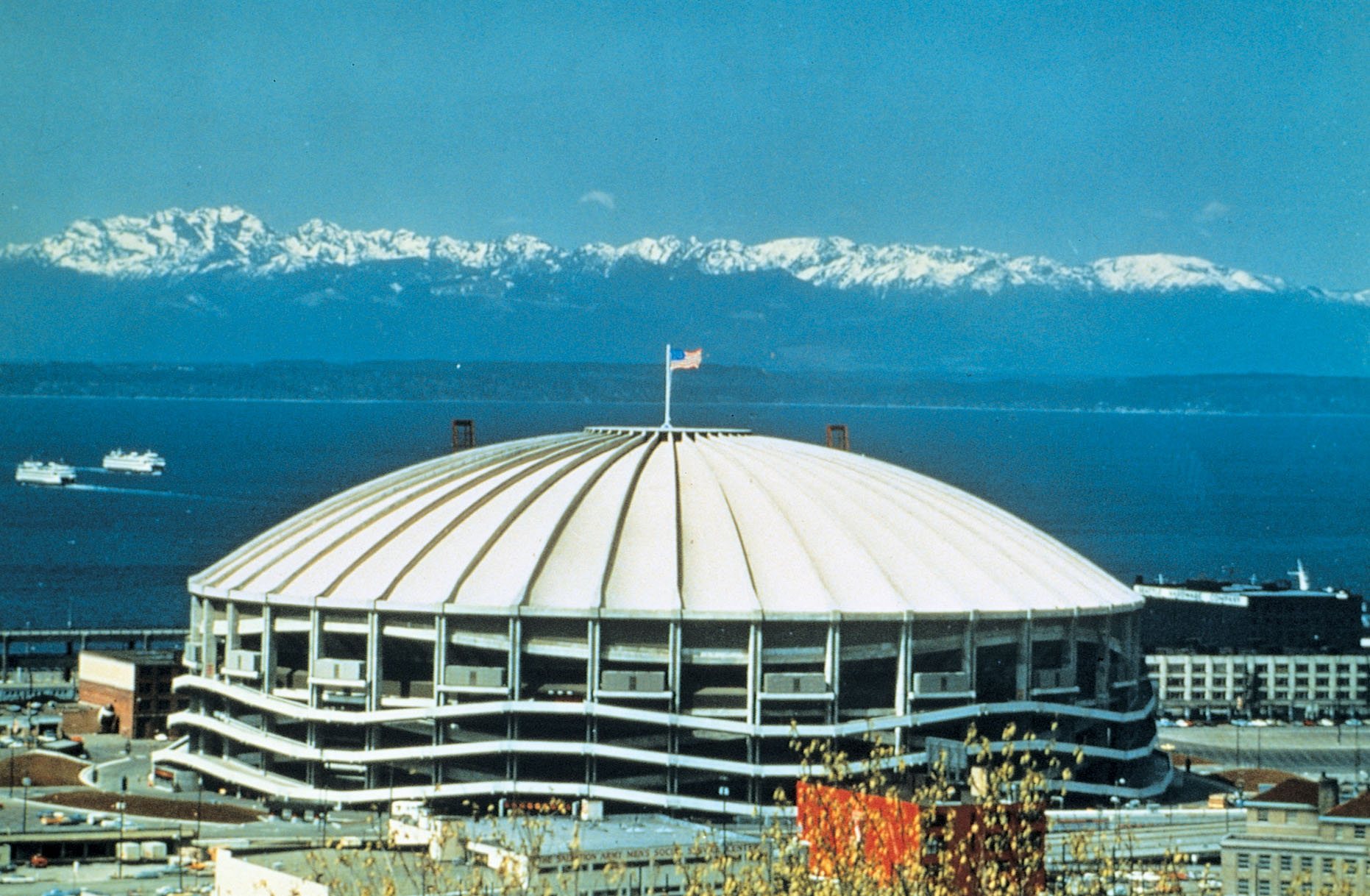
Imagine a massive concrete dome—so large that an entire neighborhood could fit inside it. That’s what the Kingdome stadium in Seattle was like. From the outside, it looked like a giant gray dish. But inside its walls, in crevices and dark corners, hundreds of birds made their home—swifts, sparrows, and bats. For them, it was a real house.
The Old Home and Its Secret Residents
The Kingdome opened in 1976 and quickly became one of the largest indoor stadiums in the world. It hosted American football and baseball games, and even concerts. But no one really thought about the fact that the stadium’s concrete walls were gradually becoming a genuine bird city.
Swifts are small, dark birds that almost never land on the ground. They eat, drink, and even sleep right in the air. The only place they come down is on vertical walls, where they hide their nests. The old Kingdome, with its rough concrete and countless gaps, was perfectly suited to them. Bats also found dark corners there for daytime roosting. For city birds, the stadium was like a huge rock in the middle of town.
When, in the late 1990s, city officials announced that the Kingdome was outdated and needed to be demolished to make way for a new modern stadium for the Seattle Seahawks, most people were thinking about only one thing: what would the new stadium be like? But a few attentive residents asked a different question: what would happen to the birds?
A Small Dispute That Became Big
On the face of it, well—birds. They’ll find somewhere else. But ecologists and concerned Seattle residents didn’t think so. They began writing letters to city hall, collecting signatures, and explaining to everyone around them: if you demolish the stadium without a plan, hundreds of birds will lose their home right in the middle of nesting season. The chicks will die. And swifts, by the way, destroy an enormous number of mosquitoes and midges—they’re real helpers of the city.
One of the ornithologists of the time said something along these lines: “We build buildings as if birds don’t exist. But they lived here long before us.” That simple remark made many people stop and think.
At first, city officials brushed it off: there were more important matters—budget, timelines, thousands of jobs. But the voices didn’t quiet down. And gradually something surprising happened: the architects of the new stadium—which was called Qwest Field at the time, and today is named Lumen Field—agreed to include special niches and shelters for birds directly in the building’s design. It was the first case in the history of American football where a stadium was built with the city’s birds in mind.
How the Bird Dispute Changed the Rules for the Entire City
But what was most interesting started afterward. This small dispute about birds planted an important idea in Seattle: if we build something big and public, we have to think about the nature around it. Not because the law requires it, but because it’s the right thing to do.
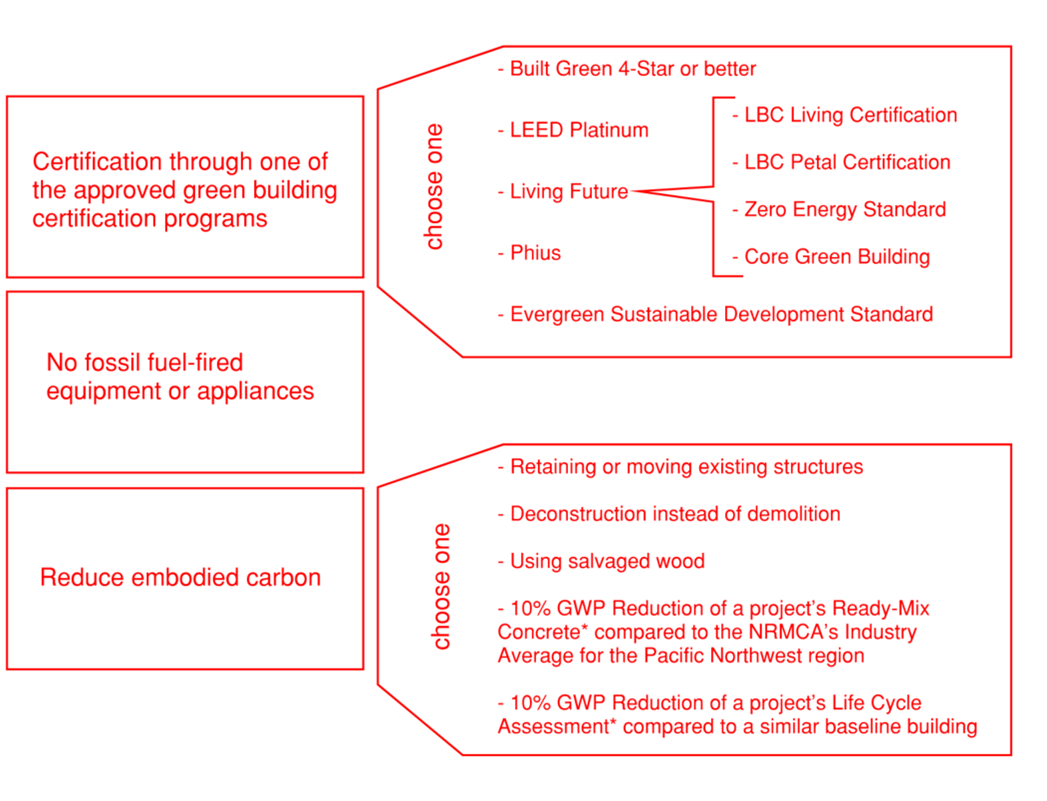
Soon after the stadium story, Seattle became one of the first cities in the United States where large public buildings were required to be built according to special environmental standards—so-called LEED standards. It’s like a set of rules for good building behavior: use less energy, collect rainwater, don’t harm the nature nearby. Today, buildings like libraries, schools, and offices around the world are built according to these rules. And it all began—including—with the question of where the swifts would go.
Seattle went even further. The city introduced special programs for installing “bird houses” on new buildings, and some architects began designing rooftops with green plants—real little gardens high above the ground—where birds can nest and where insects can live.
Why This Matters to Us Today
Sometimes it seems like one person—or a small group of people—can’t change anything. Especially when it’s about big money, big plans, and big officials. But the story of the birds and the stadium shows that it isn’t like that.
A few people who simply looked closely at a concrete wall and saw nests there set off a chain of events that ultimately changed how an entire city thinks about construction. Today, Seattle is considered one of the most “green” cities in America—and part of that reputation belongs to the small dark birds that lived in the old stadium and didn’t want to leave without a fight.
Next time you walk past a big building, take a careful look at its walls. Maybe someone is living there too—and that someone also deserves to be considered.