Imagine you walk into a store for juice, and there are hundreds of bottles — but they are all exactly the same. Apple juice from the same company, orange juice from the same company, even cherry juice — again from the same brand. Boring, right? That's exactly how beer in America felt in the 1970s. A few huge breweries made almost all the beer in the country, and it was so similar that people joked, "It doesn't matter which brand you pick — you're still drinking sparkling water."
But something strange and wonderful happened in Seattle in the early 1980s. People who had lost their jobs and didn't know how to feed their families began brewing beer in garages, old auto shops, and tiny warehouses. They weren't planning to change the entire beverage world. They were just trying to survive. In the end they created what is now called "craft beer" — and this way of making things differently, in small batches, with soul, spread around the globe.
When planes stopped flying and people started dreaming
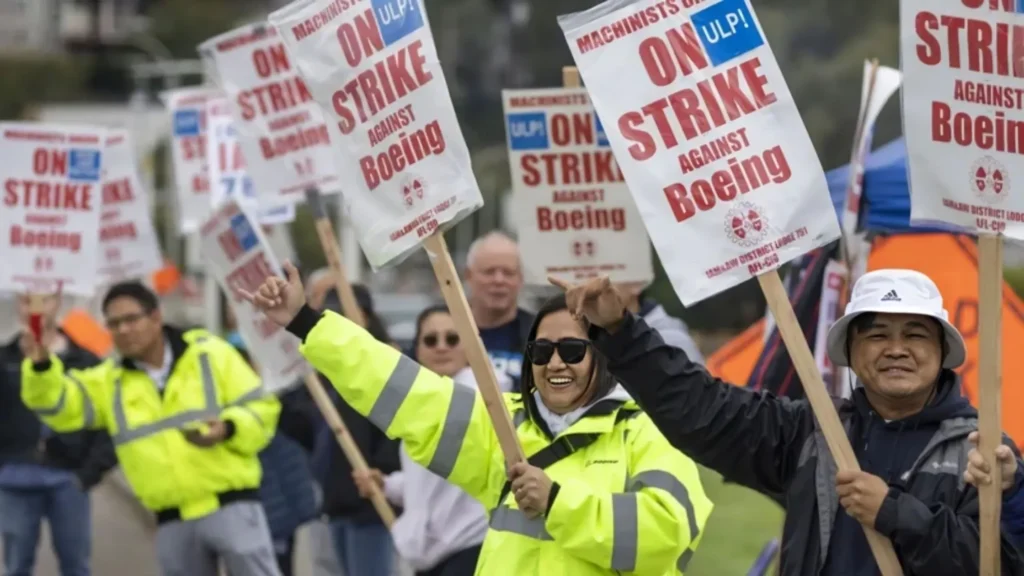
Seattle is home to the huge company Boeing — it makes airplanes. In the 1960s and 1970s so many people worked there that it seemed the whole city depended on those silvery iron birds. Engineers designed wings, workers assembled parts, families bought homes near the plants. But in 1969–1970 a catastrophe occurred: Boeing laid off more than 60,000 people! Imagine: one in ten Seattle residents lost their paychecks.
Someone even put up a huge billboard with a sad joke: "Last one leaving Seattle, turn out the lights." People moved away, houses stood empty, shops closed. But some stayed. And here's where it gets interesting: when things are bad, rent becomes very cheap. Old warehouses that used to cost a lot suddenly could be rented for almost nothing. And people who lost their jobs had a lot of time — and a desire to try something of their own.
Among these people was Paul Shipman. He loved European beer — the kind brewed in small breweries in Germany and Belgium, where each batch had its own flavor and character. You couldn't find that in America. Paul thought, "What if I try to brew that myself?" In 1982 he and his friends opened the Redhook brewery in an old freight transfer building. Space was tight, money even less. But the desire was huge.
The law that changed everything (and why grown-ups sometimes do the right thing)
But there was a problem: at that time the laws didn't allow you to just open a small brewery. Big companies had spent years pushing for rules that were so complex and expensive that competing with them was nearly impossible. Special licenses were required, huge taxes, permits to sell — all of it cost so much that only giants could afford it.
But in 1982 the state of Washington (where Seattle is located) passed a new law. It allowed people to open "microbreweries" — very small plants that brew beer and sell it right there, in their own bar or restaurant. You didn't have to pay millions, and you didn't need a giant building. You could start small.
It was like a magic button. Suddenly conditions were perfect: cheap rent (because the city was in crisis), a new law (because politicians wanted to help small business), and people with time and dreams (because they had lost Boeing jobs). Economists call this a "perfect storm" — when several factors accidentally coincide and create something new.
How a garage became a lab and a hobby became a revolution
The first microbreweries were tiny and odd. Redhook brewed beer in a space the size of your classroom. Another brewery, Hale's Ales, opened in 1983 — its founder Mike Hale started brewing at home as a hobby and then decided to try selling it. The beer tasted different from everything on the shelves: strong hop flavors, sometimes cloudy, sometimes very dark or, conversely, light and fruity.
At first people didn't understand. "Why is it so strange?" customers asked. "Why does it cost more than usual?" But the brewery owners invited people on tours, showed how beer was brewed right there in the building, explained that each batch was special. Gradually Seattle residents began to take pride: "This is ours, local, made by our neighbors!"
By the late 1980s there were already more than ten microbreweries in Seattle. By the 1990s — several dozen. People came from other cities to see "how it works." And they took the idea home. Thus Seattle accidentally became a teacher for the whole world.
Lessons for other cities (and for you too)
Here's what's interesting: Seattle didn't plan to become the capital of craft beer. It happened because a few things coincided:
- A problem turned into an opportunity. When Boeing laid people off it was terrible. But cheap rent and free time gave a chance to try something new. Sometimes bad moments are the start of something good if you don't give up.
- Rules can help or hinder. The 1982 law was like an open door. Without it everything would have been much harder. This is an important lesson: sometimes you need to change the rules to give people a chance.
- Small can beat big. The huge breweries thought tiny brewers were not serious. But people loved something made with care, close to home, not on a massive assembly line. Today there are thousands of microbreweries in the U.S., and they changed how people think about food and drink.
Other cities watched Seattle and learned. Portland, Oregon, created even more microbreweries. Then the idea spread to Europe, Asia, even Russia. Everywhere people understood: you don't have to be a huge factory to make something great. You can start small — in a garage, a basement, an old warehouse — if you have an idea and the courage.
What this means for you
Maybe you're not planning to brew beer (it's probably too early!). But Seattle's story teaches an important thing: sometimes the most interesting inventions are born not from wealth and success, but from hardship and the desire to change something. People who lost jobs didn't give up. They took their passions — a love of good beer — and turned them into new businesses, a new culture.
Now when you walk into a store you see hundreds of different drinks, many flavors, from small companies and large ones. That diversity began with a few sad but stubborn people in Seattle who brewed beer in tiny spaces and believed people would like something new.
And you know what's most amazing? Many of those breweries that started in garages in the 1980s still operate today. Redhook is now known across America. And the idea that small and local can be better than big and faceless lives not only in beer — it's in coffee (remember Starbucks from Seattle?), in bread, in clothing, in music. It all started with people who weren't afraid to try, even when everything was against them.
Sometimes sadness and hardship are not the end of the story. Sometimes they're the beginning of something entirely new and beautiful.