When people talk about the Battle of Seattle, they usually remember cannons, a ship, and soldiers. But the morning after the fighting—when the smoke lifted over the bay—something else happened instead. Something quiet, almost unnoticed, yet very important. Women and children went out to the shore. They brought buckets, shovels, and seedlings. And they began cleaning up.
What happened in January 1856
On a January night in 1856, the small settlement of Seattle found itself at the center of a real battle. The U.S. Navy ship Decatur stood in the bay and opened fire with its cannons to protect the settlers from an attack. Several houses burned down. Trees along the shore were knocked over or scorched. Gardens the residents had planted right by the water were destroyed.
The battle itself lasted just one day. But the aftermath lingered long—long beyond broken fences and scorched ground. People were frightened and disoriented, and many wanted to leave. It seemed as if this young city might simply disappear.
But it didn’t. And here’s why.
The chief’s daughter who didn’t go anywhere
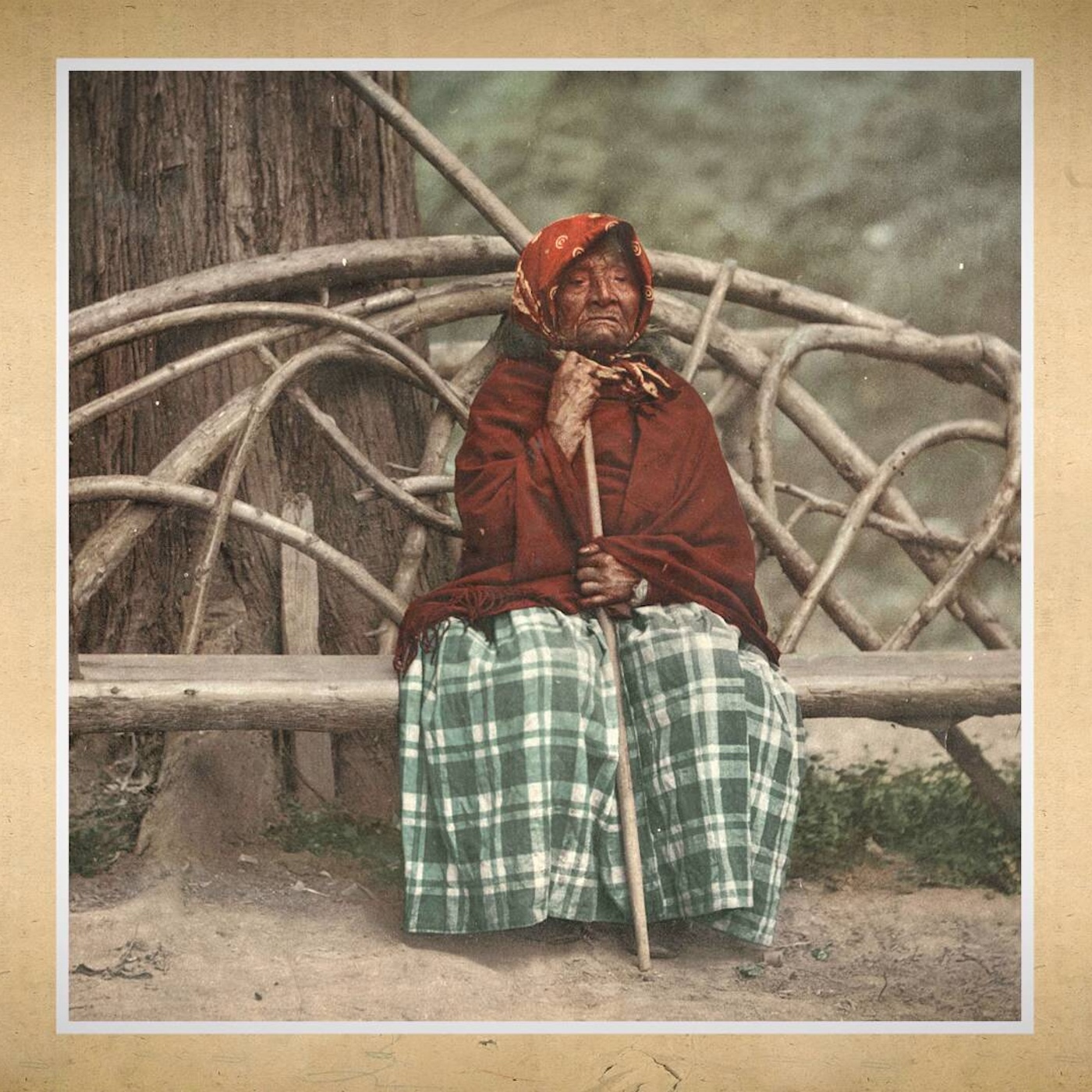
Among the people along the shore was one especially notable woman—Kik-isoblu, whom the settlers called Angeline. She was the daughter of the most famous leader of the Duwamish people—the very chief of Seattle, whose name the city was named after.
Angeline lived by the water her entire life. She knew every stone on the shore and every path through the forest. For her, this shoreline was home—real, living, breathing. And when, after the battle, the shore was left in ruins, she didn’t leave. She stayed and began to clean.
According to long-time residents, Angeline helped clear the debris along the water and took care of damaged gardens. Beside her worked women settlers and their children. No one commanded this small army. No one wrote down their names in newspapers. They simply did what needed to be done.
It’s very much like what today is called a “community cleanup”—when neighbors come together to clean a yard or a park. Only here, the neighbors came from completely different worlds.
Why the Duwamish warned the settlers
Here’s something that very few people know: it was the Duwamish who, in advance, warned the settlers about the attack being planned. Without that warning, the story might have ended very differently.
But why did they do it? The settlers had taken their lands, cut down the forests, and blocked the rivers where the Duwamish fished for salmon.
The answer is complex—and very human. Part of the Duwamish wanted peace. They understood that war would destroy not only the settlers’ homes, but also the entire surrounding nature—rivers, forests, and fishing places. They wanted to protect the land they loved. And they believed the best way to do that wasn’t to fight, but to negotiate.
Chief Seattle once said (and this is one of his best-known quotes, though the exact wording changes in different translations):
“The land is not ours. We belong to the land.”
These aren’t just beautiful words. For the Duwamish, it was a real law of life. The land is alive. It must be cared for. And that’s why they warned their neighbors—even those who caused them harm.
Small hands that changed everything
After the battle, the settlers’ children also took part in rebuilding. Girls carried water for the new seedlings. Boys helped clear away burned branches. This wasn’t heroism from storybooks—no one gave them medals. But it was this quiet work that helped the city survive.
Historians rarely write about it. It’s much more interesting to talk about cannons and soldiers. But if you think about it—who really saved Seattle? Maybe it was those who went out to the shore with shovels the very next morning.
Today, in Seattle, dozens of environmental organizations exist where children and adults restore nature together—planting trees, cleaning riverbanks, and helping salmon return to city streams. They probably never heard of Angeline and her neighbors. But they’re doing exactly the same thing.
Real heroes of quiet stories
The Battle of Seattle in 1856 is a story about war. But inside it, there’s another story—about friendship, about land, and about people who chose care over fear.
Angeline lived along the bay until deep old age. When she died in 1896, the people of Seattle raised money for her funeral—in respect. Her photograph has survived: an elderly woman with a basket, by the water. The very water she had cared for her whole life.
If you ever find yourself by the shore and want to pick up trash or plant a flower, know this: you’re continuing a very old and very important tradition. A tradition of people who love their land more than they fear hardship.