
In one of Seattle's parks grows an unusual rose. It looks almost ordinary, but it has a secret: its grandmother grew in a garden at the other end of the world, in the city of Tashkent. And between these two roses is a story about how children's letters can change the world.
When cities become friends
Imagine your city has a friend in another country. Not just an acquaintance, but a true best friend you exchange gifts with, tell stories to, and learn from. That's how sister cities work — like an exchange program, but for entire cities!
Seattle has several such friends around the world, and one of them is Tashkent in Uzbekistan. They became friends back in 1973, when your parents might not even have been born. At that time Tashkent was part of a large country called the Soviet Union, and Seattle must have seemed almost like another planet to people there — their lives were so different.
But here's the remarkable thing: despite the enormous distance (more than 10,000 kilometers — like traveling from Moscow to Vladivostok and then some!), the two cities decided they had much in common. Both loved mountains, both valued education, and both were home to people who dreamed of peace and friendship.
Letters that crossed oceans
In the 1980s, when the internet didn't exist yet and even adults didn't have mobile phones, teachers in Seattle came up with a wonderful idea. They suggested their students find pen pals in Tashkent. That meant writing real handwritten letters, sealing them in envelopes, and waiting weeks for a reply!
One girl from Seattle, let's call her Sara (her real name remains in the school's archives), wrote to her new friend Dilnoz in Tashkent about her favorite hobby — gardening. Sara described helping her mother plant flowers, tending the roses in their small yard, and how beautiful their petals were — soft pink with white edges.
Dilnoz was so inspired by Sara's letters that she asked her parents to help her create her own little garden. The climate in Tashkent is very different — much hotter and drier than rainy Seattle. But Dilnoz's family found a special variety of roses that could grow in their conditions. Those roses were bright red, like little flames.
The girls kept writing to each other about their gardens. Sara wrote that her roses loved the rain (which Seattle always has plenty of), and Dilnoz described how her roses rejoiced in the sun (which Tashkent has in abundance). They exchanged drawings of their flowers, shared plant-care tips, and dreamed of someday seeing each other's gardens.
A meeting twenty years later
Years passed. The girls grew up, finished school and university, and began their adult lives. The correspondence gradually stopped — as often happens when life takes us in different directions. But the story didn't end there.
In the early 2000s, Dilnoz, who had become a biology teacher, had the opportunity to come to Seattle for an educational conference. She remembered her childhood friend and, through the organizers of the sister cities program, was able to track down Sara.
Their reunion was full of emotion and memories. They walked through Seattle's parks, and Sara showed Dilnoz the very roses she had written about as a child (many still grew in her garden). Dilnoz brought a special gift — seeds and cuttings from the roses she had grown in Tashkent, inspired by Sara's letters.
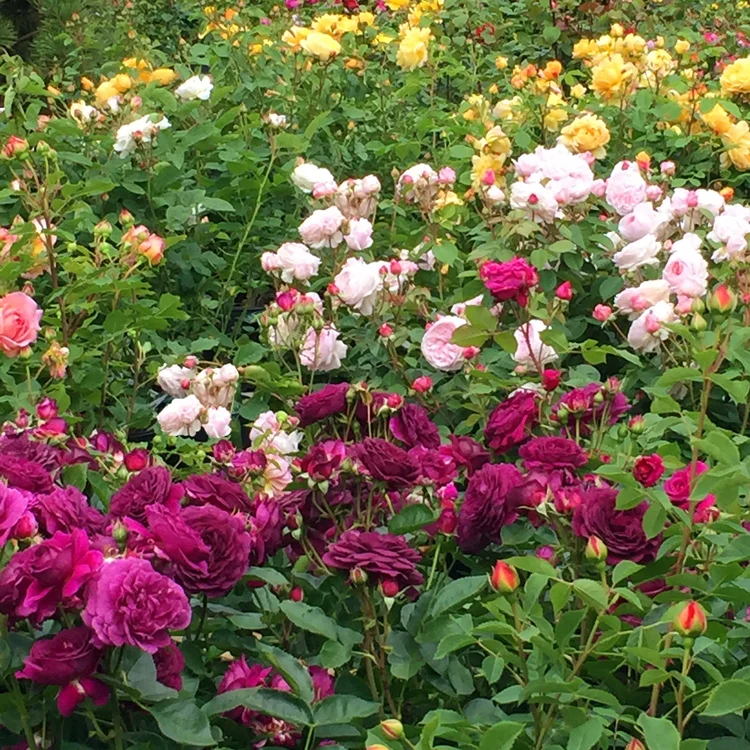
Sara planted those Tashkent roses in her garden, and she donated several cuttings to Seattle's Volunteer Park — one of the city's most beautiful parks. The park's gardeners were delighted by the story and created a special corner they named the "Seattle–Tashkent Friendship Garden."
Gardens that remember friendship
Today the tradition continues. Schools in Seattle and Tashkent have restarted exchange programs, but now children not only write letters (though they still do!) but also share videos, photos of their gardens, and even conduct joint online lessons about plants.
Every spring a group of children from both cities takes part in the "Friendship Garden" project. They grow plants from the seeds their cities exchanged and document how the same plants grow in completely different conditions. Tashkent children are surprised to learn how much rain Seattle plants need, and Seattle children are amazed at how plants in Tashkent survive under the blazing sun.
Volunteer Park now has an information plaque by the Tashkent roses that tells their story. Many visitors stop, read, and smile. Some parents photograph their children beside those roses and tell them about the importance of friendship between people from different countries.
Interestingly, this story inspired other Seattle sister cities to create similar projects. Now in various city parks you can find "friendship corners" with plants from Kobe (Japan), Bergen (Norway), Haifa (Israel), and other partner cities. Each corner is a living reminder that we are all connected, even when we live far apart.
Small letters, big bridges
The story of the rose from Tashkent teaches an important lesson: sometimes the simplest actions create the strongest bonds. Sara and Dilnoz were ordinary schoolgirls who simply wrote to each other about what they loved. They didn't plan to start an international project or a tradition that would last decades. They just shared their love of flowers.
But their sincerity and genuine interest in one another built a bridge between two worlds. That bridge proved stronger than many official programs and agreements. Because it was built not from politics or economics, but from human warmth, curiosity, and a desire to get to know each other better.
Today, when you see a beautiful flower in a park, think: maybe it has its own story too. Perhaps its seeds came from far away, carried by someone who wanted to share a piece of home. Maybe that flower is also a small ambassador of friendship, quietly telling stories about connections between people.
And who knows? Maybe your letter to a friend in another country, your drawing, or a photo of your favorite place will one day become a story just as beautiful. Friendship isn't measured by distance — it's measured by the warmth of the heart and the willingness to share what matters to you.

:max_bytes(150000):strip_icc()/volunteer-observatory-seattle-LIVEPLANTS0320-dcbfa7d21ae248ebb4c80c65e84088ac.jpg)