Imagine a huge building of glass and steel that looks like a giant sparkling crystal in the middle of the city. But it’s not just a pretty box for books. It’s a library that can breathe, drink rain, and save energy better than many homes. And the most surprising thing — when the architects designed it, they listened to children who dreamed of reading under the clouds.
In the early 2000s, residents of Seattle decided their old central library was too cramped and boring. They wanted something new, something special. But the city faced a problem: how to build a huge building that wouldn’t devour electricity and water like a hungry monster? After all, Seattle is a city where people love nature and care about the environment.
Glass diamonds that save light
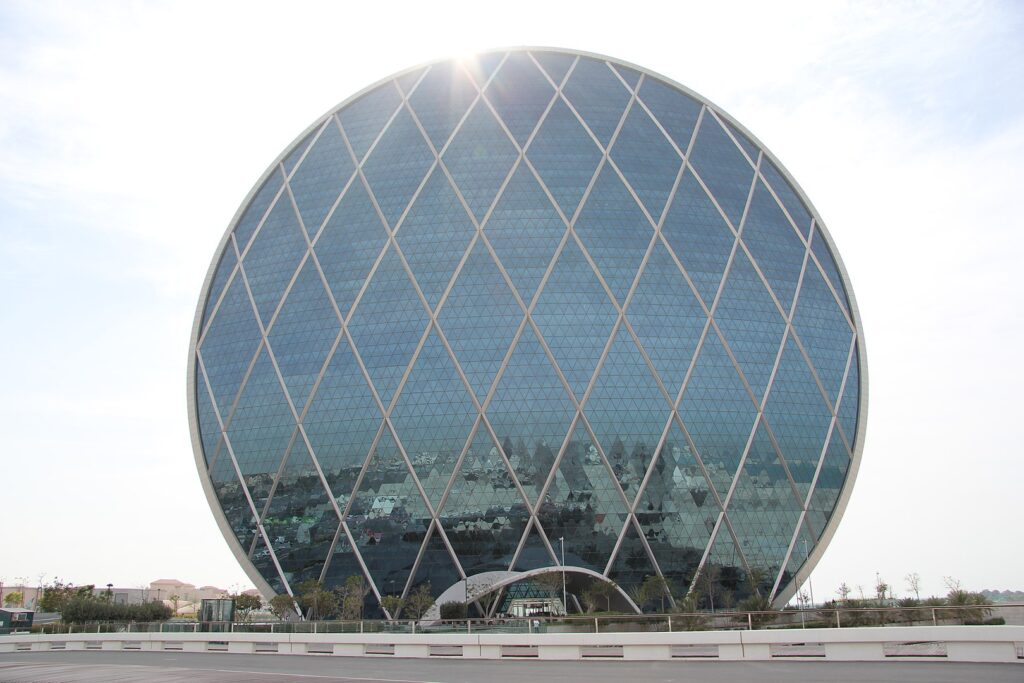
When you look at the Seattle Central Library, the first thing that catches your eye is its strange shape. The building is covered with glass panels that form a diamond pattern, as if someone draped a giant net over it. Many think this is just a designer whim to make the building look unusual. But behind this beauty hides a clever ecological trick.
Architects Rem Koolhaas and Joshua Prince-Ramus (yes, that really is his regal-sounding surname!) studied how sunlight falls on the building at different times of day and year. They realized that if they set the walls at certain angles, then in summer, when the sun is high and hot, rays would reflect away and the interior wouldn’t get too stuffy. And in winter, when the sun is low and weak, light would penetrate inside and warm the rooms. It’s like turning a little mirror to catch a sunbeam — it all depends on the angle!
Thanks to this trick, the library uses about 30% less energy than a typical building of the same size. That means every year it saves enough electricity to light roughly 50 homes for an entire year. Imagine how much money that is and how many fewer harmful emissions go into the air.
A building that drinks rain
In Seattle it rains a lot — nearly 150 days a year the sky is gray and drizzly. Locals even joke they have a special word for a sunny day — a “miracle.” Normally all that rainwater just runs into the sewer and out to the ocean. But the library’s architects thought: why not use this free gift from nature?
They installed a special system on the roof that collects rainwater into large tanks. That water isn’t wasted — it’s used for the building’s toilets. That may not sound very romantic, right? But consider this: each year the library saves about 1.5 million liters of clean drinking water! That’s like filling 15,000 bathtubs. All that water stays in nature — in lakes and rivers where fish and other animals can live.
So the rain that many people consider unpleasant weather actually helps the library be more nature-friendly. Every drop that falls on the roof becomes part of a big ecological plan.
The library that saves trees
Now for the most interesting part of the story. Libraries store books, books are made of paper, and paper comes from trees. It’s a closed loop: the more books you have, the more trees need to be cut down. But the clever architects found a way to break that loop.
They came up with a special book storage system called the “Book Spiral.” It’s a huge continuous shelf that winds up through the building like a spiral staircase — but for books. Thanks to this system the library can hold far more books in less space — about 1.5 million volumes! That means there’s no need to build extra buildings, clear forests for new libraries, or use more materials and energy.
But the most touching part of this story is how the architects listened to children. When they held meetings with Seattle residents and asked what the new library should be like, children said: “We want to see the sky when we read. We want to watch the clouds and the rain.” And the architects did just that! They created special reading rooms with huge windows where you can see the sky. There’s even a place called the “Reading Living Room,” where you can sit in a comfy chair, read a book, and watch clouds float by or rain fall.
A home for books that cares for the planet
When the library opened in 2004, many people came just to see the unusual building. But over time Seattle residents realized it was more than beautiful architecture. It’s an example of how to build large buildings that don’t harm nature but work with it.
The library became a teacher for the whole city. It showed that you can use rainwater instead of treated tap water, that the right building shape saves energy, and that you can store many things in a small space if you design smartly. And most importantly — that children’s voices matter when adults make big decisions.
Today more and more “green” buildings in Seattle are learning from this library. Architects from other countries come to study how it’s arranged so they can build similar structures at home. It turns out one library in one city helps protect nature around the world.
And this story teaches us an important thing: even buildings can be kind. They can breathe like living beings, drink rain, save energy, and create cozy places where children read and dream under the clouds. And it all starts with a simple question: “How can we do better?” — a question Seattle’s children asked and that thoughtful architects answered by creating a library that cares for the planet.