Imagine there’s a library in your city, but you’re not allowed to go there. The doors are locked just for you. But every week someone comes to your house with a suitcase full of books and says, “Pick any one, just return it when you’re done.” That’s how African American children in Seattle lived nearly a century ago, when railroad porters turned their work trips into a secret network for sharing books, magazines and knowledge.
This story is almost forgotten, but it shows how ordinary people doing hard work changed the lives of a whole generation of children. They didn’t build schools or pass laws — they simply carried books in their suitcases.
Who the porters were and why they were always on the move
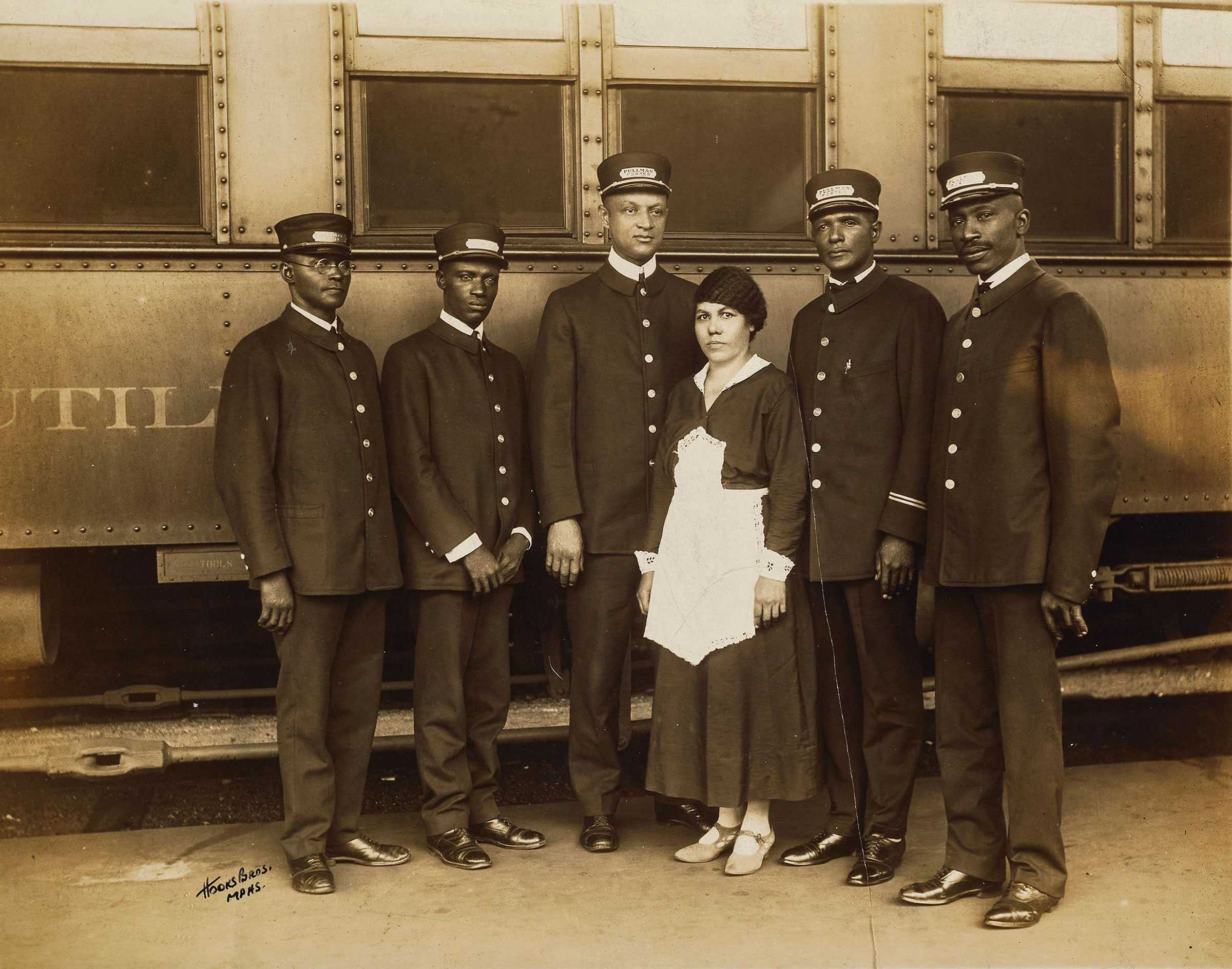
Train porters were people who worked in passenger cars: helping passengers with luggage, making up berths in sleeping cars, serving food, keeping things clean. In the United States from the late 1800s into the mid-1900s, most porters were African American. It was hard work with long shifts — sometimes 20 hours straight — low pay and no days off.
But the job had one important advantage: porters were constantly traveling. They rode from Seattle to Chicago, from Portland to San Francisco, from small towns to big cities. They saw different places, met different people and — most importantly — could carry things from city to city.
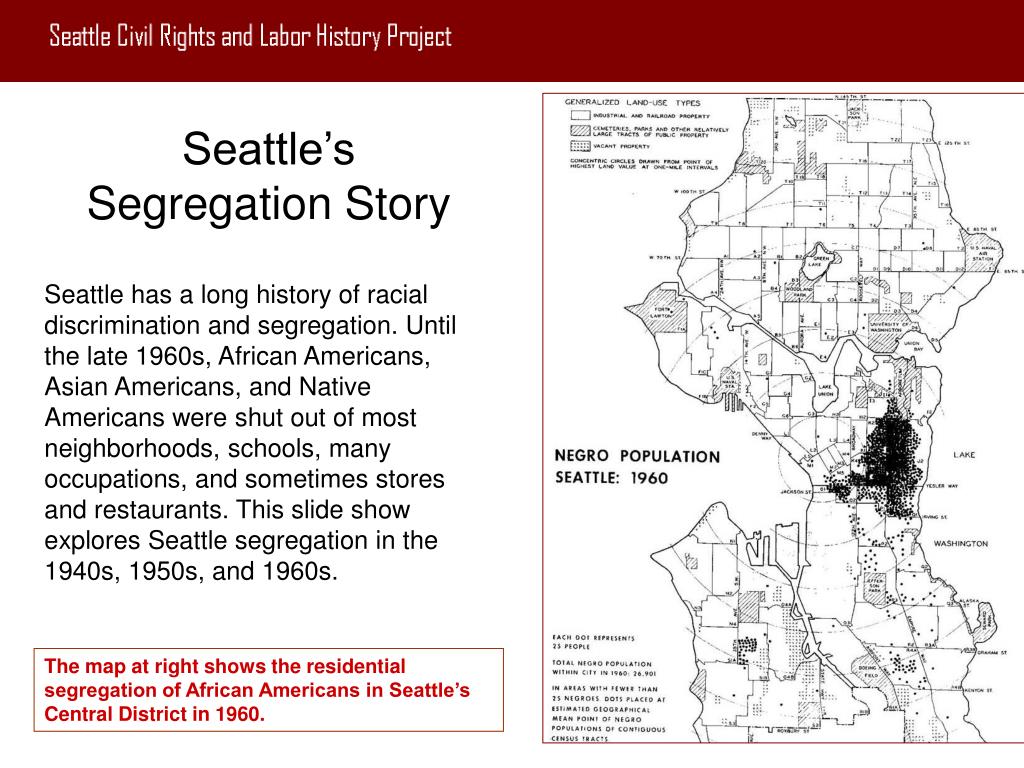
For African American families in the early 20th century this was incredibly valuable. At that time, segregation laws were in effect in the U.S.: Black people were barred from the same libraries, schools, restaurants and even parks as white people. In many cities, including Seattle, African American children could not borrow books from the public library. They were simply denied library cards.
Suitcases instead of libraries: how the secret network worked
Porters quickly realized they could help. When they arrived in larger cities where African American communities had small libraries or bookstores, they bought or borrowed books, newspapers and magazines. Then they packed them into their suitcases — between their uniforms and personal items — and took them to other cities.
In Seattle the porters brought these books home to their families. But the books didn’t stay in one house. Families organized “reading circles” — they gathered at someone’s home, exchanged books and discussed what they’d read. Children awaited the porter’s return like a celebration: “What did you bring this time? Any new stories?”
It was a real library on wheels, only unofficial and deeply personal. One book might pass through ten families in a month. A fiction magazine traveled from Chicago to Seattle, then to Portland, then back. Newspapers with news about African American communities in other states became a connecting thread between people who would never have met otherwise.
Porters didn’t just carry books — they carried ideas, news, hope. They would say, “A new school for Black children opened in Chicago,” “A book by our writer was published in New York,” “People in California are fighting for their rights, and they’re succeeding.” For children growing up in Seattle’s small community these stories showed that the world was bigger than it seemed and that there was a place for them in it.
How children turned waiting into a tradition
African American children in Seattle knew train schedules by heart. They knew when their fathers, uncles, neighbors would return from another trip. On those days they gathered in groups — waited outside, prepared questions, argued over who would get the new book first.
Some families kept special notebooks recording which books they had and to whom they had passed them. It was their own tracking system, like in a real library. Girls often became the “librarians” of their homes — keeping things in order, reminding people to return books on time, recommending what younger children should read.
Mothers organized read-aloud evenings. Several families would come together and the adults would read books brought by the porters. This was important because not all children could read well — schools for African American children were often poorly resourced and understaffed. But when a mother or older sister read aloud, everyone could hear the story.
There were special moments too. For example, when a porter brought a book written by an African American author, it became an event. Children saw people who looked like them writing books, telling stories, being published and read. That gave them a very different sense of their place in the world.
The legacy that remained in Seattle
This informal book-exchange network operated for decades. Gradually, after the 1960s, when segregation laws were overturned and public libraries opened to everyone, the need for the “suitcase library” disappeared. But the legacy remained.
Many children who grew up waiting for porters with books became the first in their families to get higher education. They became teachers, doctors, lawyers, writers. They remembered how important access to knowledge had been when the doors of official libraries were closed.
In modern Seattle there are book-crossing programs and little free libraries — boxes where people leave books for others. Few know that the idea of sharing books through informal networks already existed in the city a hundred years ago, thanks to railroad porters.
Porter families created a tradition: knowledge should move, books should travel, stories should be passed on. They proved that even when the system is unfair, people can find ways around barriers — not with anger, but with ingenuity and care for children.
Today the Museum of African American History & Culture in Seattle keeps an old porter’s suitcase. Inside are a few time-yellowed books with pencil notes in the margins: “Return to Mrs. Johnson,” “Pass to the Williams family.” This is more than a suitcase — it is a memory of how ordinary workers built a bridge of books for children the world tried to tell “no” to.