Imagine being sent to summer camp—not because you wanted to, but because someone decided you had to. And when you get back home, you find out your house is already someone else’s. Your toys are gone. Your bicycle is gone too. And nobody plans to return anything. That’s what happened to thousands of families in America more than eighty years ago—and the traces of that injustice can still be found on modern city maps.
What Happened to Japanese Families
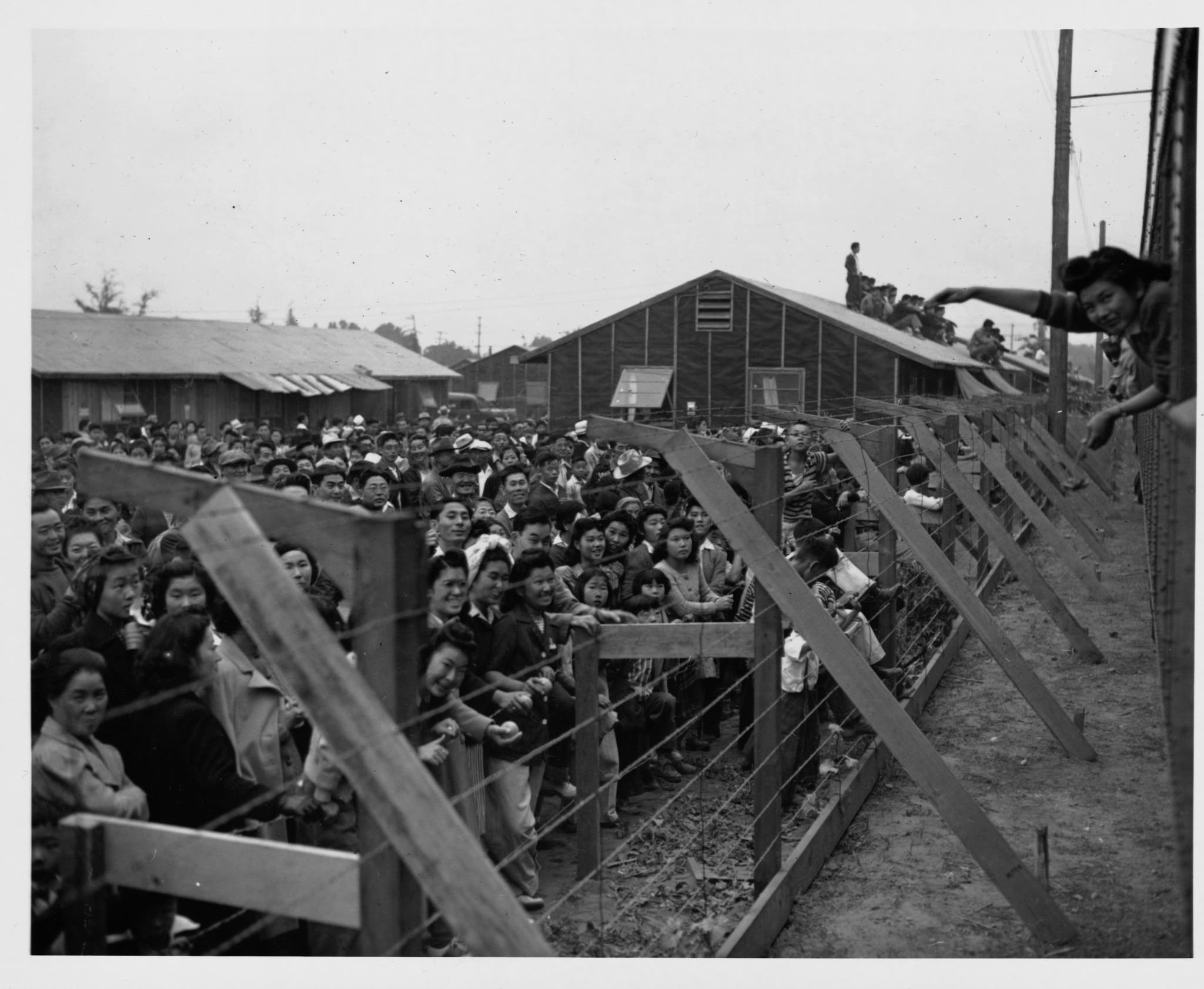
In 1942, during World War II, the U.S. government made a decision that is now considered one of the biggest mistakes in the country’s history. All people of Japanese ancestry living on the West Coast of America—including in Seattle—had to leave their homes and move into special camps. They were called “relocation camps,” but in reality they were fenced-in areas surrounded by barbed wire, where you couldn’t just walk away.
There were about 120,000 people like this. Many had been born in America, spoke English, and attended American schools. But because the U.S. was at war with Japan, they were labeled “dangerous”—simply because they looked different, or because their parents had once come from another country. Families were given only a few days to gather what they could. They could take only what fit into two suitcases.
And the homes, shops, farms, and entire neighborhoods were left behind.
Musical Chairs—Where People Cheated
This is where a story begins that’s talked about far less than the camps themselves. While Japanese families were locked away away from their cities, their property didn’t disappear. And very quickly, people decided to take advantage of it.
Stores were sold for bargain prices—sometimes for as little as one-tenth of their real value. Homes went for almost nothing. Farms in California that Japanese families had worked for decades were transferred to new owners in just a few weeks. Some families tried to leave their property in the hands of neighbors or acquaintances—but it didn’t always end well.
Picture the game of musical chairs. The music stops, but you’re not in the room—you’re told to get out. And when you come back, all the chairs are already taken. And the rules of the game say it’s now fair.
That’s how families felt when they returned from the camps in 1945.
A Neighborhood That’s Gone—But It’s Still There
In Seattle, there was an entire Japanese neighborhood—it was called Nihonmachi, which in Japanese means “Japanese town.” It had restaurants, pharmacies, Japanese-language newspapers, schools, and Buddhist temples. It was a living, bustling place where several thousand people knew each other by name.
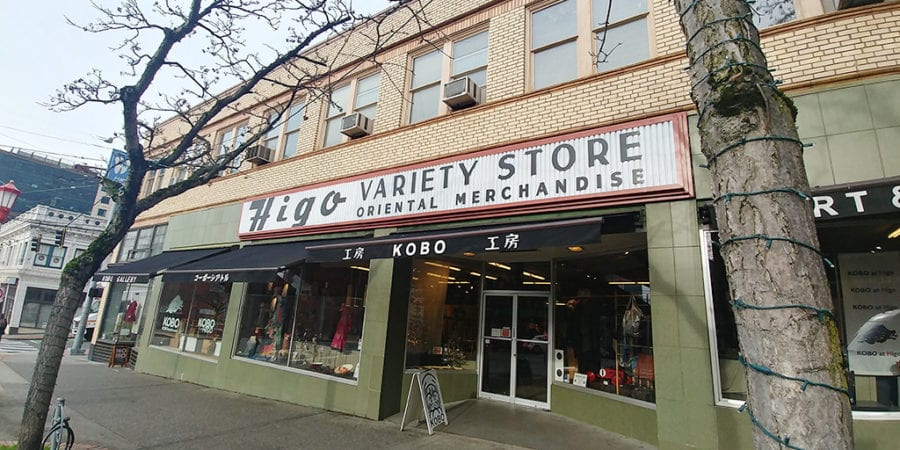
After the war, families began returning. But the neighborhood was different now. Other people were living in their homes. Foreign signs hung above their stores. Some buildings were even demolished. Seattle’s Japanese community never fully recovered—people dispersed into other areas, and young people moved to other cities.
But the land remained. And over time, it became very expensive.
Today, the very neighborhoods where Nihonmachi once stood are among the most expensive areas in Seattle. Trendy cafés open there, new homes are built, and wealthy residents move in. Historians call this “the first wave of gentrification”—the transformation of a poor or working-class neighborhood into an expensive one. Only this didn’t happen on its own. It happened because of an injustice that nobody corrected.
An Echo You Can Still Hear
There is one family whose story became known thanks to researchers. The Matsuda family ran a small shop in Seattle. When they were sent to a camp, the store had to close. Neighbors helped preserve some of their belongings, but the store itself was sold. When the Matsudas returned, they no longer had the money to reopen their business. They had to start from zero.
Stories like that weren’t unique—there were thousands of them.
In 1988, the U.S. government officially apologized to Japanese Americans and paid $20,000 to each surviving person. It was an important step. But it couldn’t bring back the lost homes and shops—or the decades of life that were taken.
“We weren’t asking for forgiveness in the form of money. We were asking for people to understand that it was wrong,” many of those who survived the camps said.
Why It Matters to Know Today
When you look at a beautiful modern neighborhood with coffee shops and new homes, you don’t always think about what was here before. But every street has its own story. And sometimes, that story is tied to an injustice that was simply buried and ignored.
The history of Japanese neighborhoods teaches us several important things. First, that injustice leaves traces—not only in people’s memories, but in what the city looks like, who lives in it, and who owns the land. Second, that cities don’t change by accident: every transformation is driven by decisions people made. And sometimes those decisions were very bad.
And this story also tells us something else: it’s important to remember. Not so you’ll be sad about the past all the time, but so you can understand the present—and make the future better. Because a city isn’t just houses and streets. It’s the people who lived there, who live there now, and who will live there later. And each of them deserves for their story to be heard.