Imagine a forest the size of an entire city that for more than a hundred years almost no one was allowed to enter. Not because it was dangerous, but because the forest protected something very important — clean water for all of Seattle. While the forest guarded the water, it accidentally preserved something else: ancient trees that remember secrets nearly forgotten by people.
The forbidden forest that protected the taps in homes
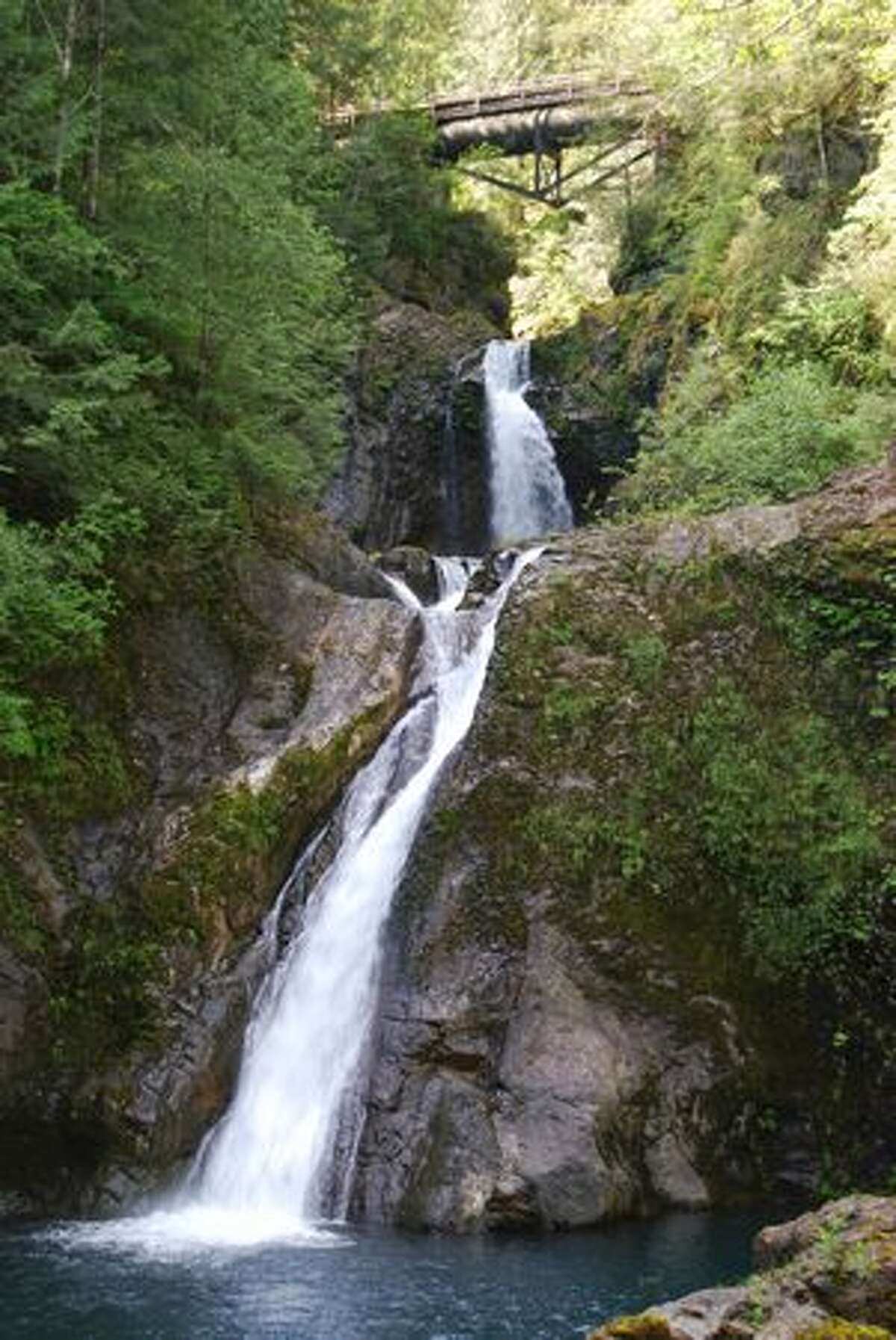
In 1889, when Seattle was still a very young city, its residents made an unusual decision. They declared a vast area around the Cedar River closed to the public. No houses could be built there, no trees cut down, no picnics or even casual walks. All of this was to keep the river’s water absolutely pure. After all, that water flowed through pipes into every home, school, and hospital in the city.
Years passed, then decades. Seattle grew, changed, built skyscrapers and bridges. The forest around the Cedar River stood untouched, as if frozen in time. While old trees across Washington state were logged for construction, this forest remained much the same as people had seen it two centuries earlier.
At the end of the 20th century, scientists and representatives of Indigenous peoples — whose ancestors lived here for thousands of years before Seattle existed — discovered something remarkable. The forbidden forest had preserved ancient cedars that had almost vanished elsewhere. But these trees were more than old. They were living teachers.
Trees with memories and scar clues
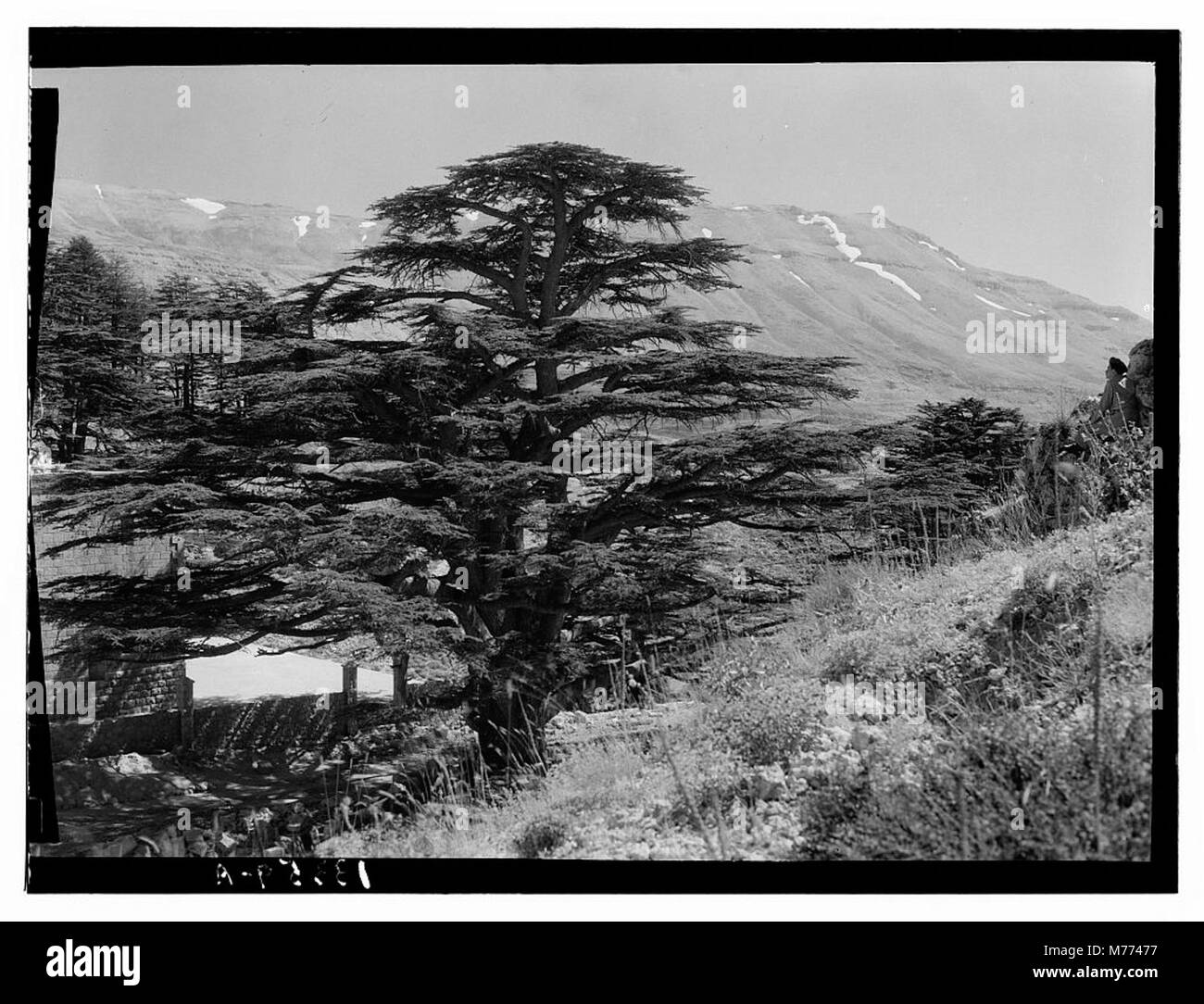
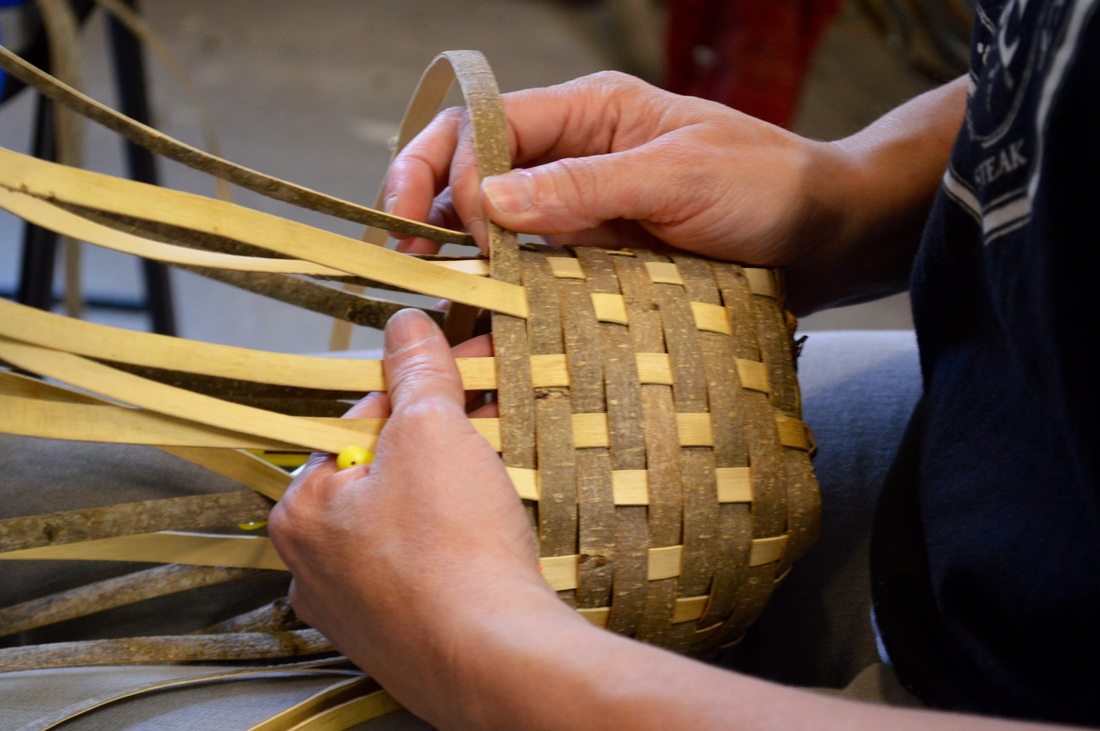
The Coast Salish peoples who lived on these lands always treated cedar with special reverence. They called cedar the “tree of life” because almost everything was made from it: canoes for water travel, planks for houses, baskets for gathering berries, rain clothing, and even ropes. But they never felled a tree completely. Instead, they learned to carefully strip long strips of bark so the tree could continue to live.
On these ancient cedars in the protected forest, scars remain — traces of how great-grandmothers and great-great-grandmothers of today’s Indigenous people harvested bark 150 or 200 years ago. These scars are like pages of a book you can read. By their shape and size you can tell why the bark was taken: for a large basket or a child’s hat, for ceremonial clothing or everyday garments.
Most importantly — these trees are still alive and healthy. That means the ancient craft can be relearned. When government policies in the early 20th century banned many traditional practices and placed Indigenous children in boarding schools that forbade speaking their native languages, knowledge about working with cedar began to disappear. Grandmothers could not teach granddaughters because the granddaughters lived far away. Masters could not pass on secrets because their skills were considered “outdated” and “unnecessary.”
How drinking water returned voices to ancestors
In the 1990s and 2000s something unusual began to happen. Seattle’s water utility, which had protected the forest for more than a century, started to collaborate with the Muckleshoot, Snoqualmie, and other local tribes. They agreed: tribal members could come into the protected forest — not for tourism, but to restore connections with ancestors and to teach traditions.
Today tribal elders bring children and teenagers into the forest. They show them the scarred trees and say, “Look, here your great-grandmother may have stripped bark. See how careful she was? The tree healed and lives on.” Then they teach youth the ancient art of weaving baskets from cedar bark, show how to properly thank the tree before taking its bark, and explain why you must not take too much.
One basket-weaving artisan, Ed Carrier of the Snoqualmie tribe, said that when she first entered this forest and saw the untouched cedars she cried. “I thought trees like these no longer existed,” she said. “And they were waiting for us all along.”
An unexpected gift from protecting water
Here is the most surprising part of the story: when the city protected its drinking water, it didn’t intend to preserve Indigenous culture. It happened accidentally, as a side effect. But that “accident” proved priceless.
Today cultural revival programs use the protected Cedar River watershed as a living classroom. Ceremonies are held here, endangered languages are taught, and baskets are woven using techniques thousands of years old. Young people from the tribes say that when they stand beside an ancient cedar and touch a scar left by an ancestor two centuries ago, they feel a connection — as if a great-grandmother is reaching out to them across time.
Moreover, this knowledge has begun to spread. Cedar-bark baskets woven from bark taken in the protected forest are displayed in museums. Traditional weaving workshops are attended not only by tribal children but also by anyone eager to learn about the culture. Seattle schools invite elders to speak about how their people lived in harmony with the forest, without destroying it.
The watershed protection continues today — water from the Cedar River still flows into the taps of 1.5 million regional residents. But now everyone understands: this forest protects not only clean water, but living memory. The trees here are not just sources of oxygen and beauty. They are a library, a textbook, and a bridge between past and future all at once.
Sometimes when we protect one thing, we accidentally save something else, no less important. The forest that guarded the water preserved the voices of ancestors. And now those voices are sounding again — in the hands of children weaving baskets, in songs of thanks to the cedars, in stories that can finally be told.