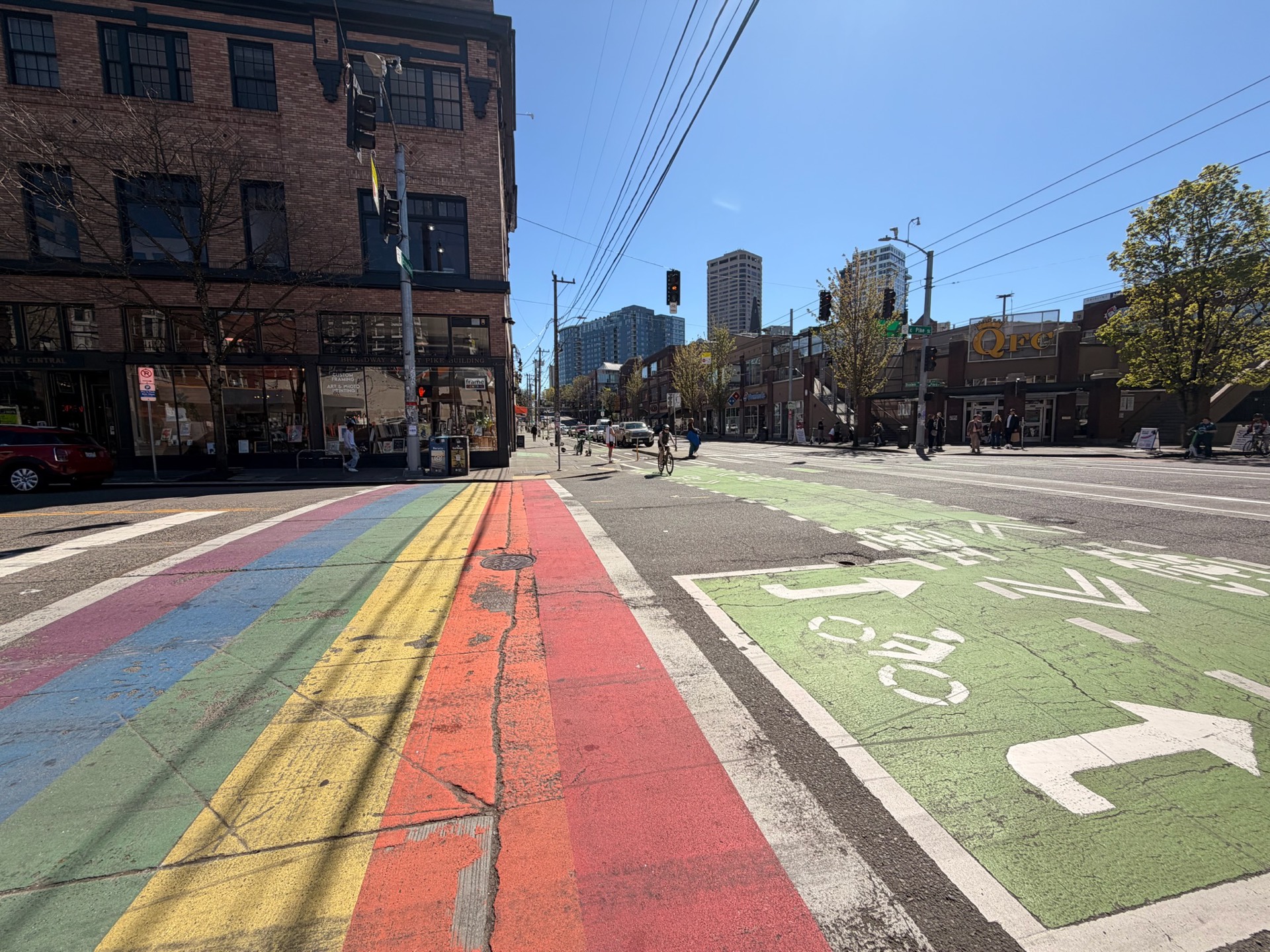
Imagine a street where the houses stand so close together that it seems as though they are holding hands. Brick walls, narrow alleys, and small courtyards between the buildings. This is Capitol Hill, a neighborhood in the American city of Seattle. And it was here that an amazing story began: ordinary residents created a festival that became famous throughout the city. No one ordered them to do it. No city funding was provided. It all started with an idea from a few neighbors who simply wanted to protect their home.
Houses That Know How to Be Good Neighbors
Capitol Hill is an old neighborhood, built up more than a hundred years ago. Its buildings are low, made of brick, with flat roofs and small courtyards between them. The streets are narrow, as if they were designed specifically to help people meet one another rather than drive past at high speed.
This architecture made what happened later possible. When the space between buildings is small and neighbors live close together, it is easy for everyone to gather—right in the street. There is no need for a huge stadium or park. Close off one block, and you already have a stage for musicians, a space for artists, and a place where everyone can meet.
When Local Businesses Struggled, Neighbors Took Action
In the early 1990s, the neighborhood began experiencing problems. Small shops and cafés struggled to make ends meet, while crime on the streets increased. People feared that the neighborhood would change for the worse and that their favorite local businesses would simply close.
Several small-business owners decided not to wait for help from the city authorities but to do something themselves. They suggested a simple idea: organize a street party. Invite musicians, artists, and local craftspeople—and show everyone how wonderful their neighborhood could be when residents loved it and looked after one another.
It was as if a group of kids in a courtyard had decided to organize a fair themselves to entertain the neighbors and bring all their friends together—involving no adults, just their own efforts and goodwill.
A Small Street Becomes a Major Festival
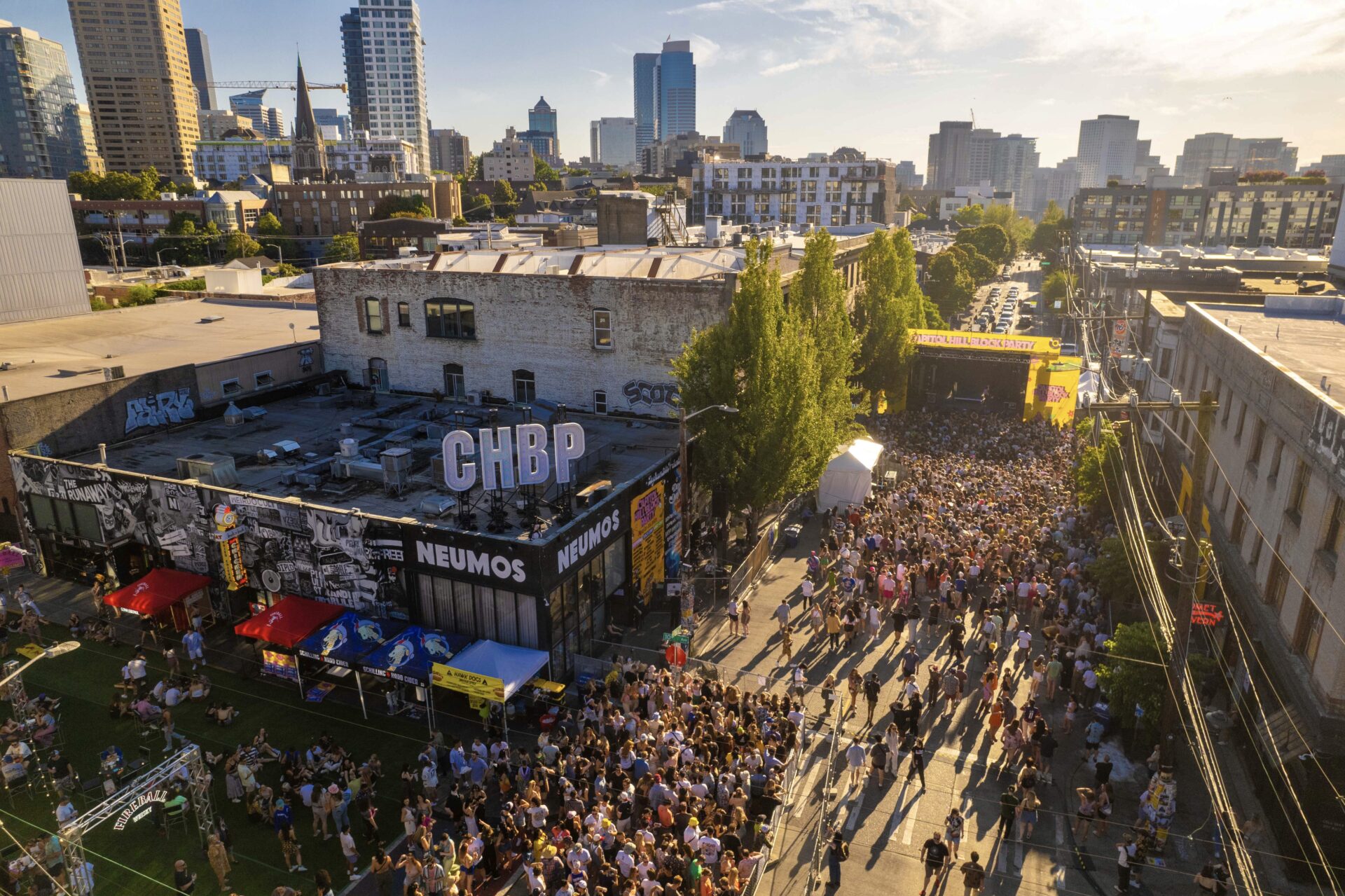
The first festival was very modest—just neighbors, music, and a little laughter on one street. But people liked the idea. Each year, the event, later known as the Capitol Hill Block Party, grew larger. Today, thousands of people come here, well-known musicians perform, and the streets turn into a colorful carnival.
Here is what is interesting: the neighborhood’s architecture—the closeness of the buildings we mentioned at the beginning—still makes the festival special. Stages are set up right between the buildings, and the audience stands so close to the musicians that it feels as though they have come to a friend’s house rather than to a major concert.
| Year | What happened |
|---|---|
| Early 1990s | Neighbors and shop owners decided to organize the first party |
| The early years | The festival was small and local, for neighborhood residents |
| Later | The event grew into a well-known music festival |
| Today | Thousands of guests and famous performers, but the original spirit remains |
Why It Is Important to Remember
This story teaches us a simple lesson: sometimes the best ideas are born not in large offices but among ordinary people who love their home and want to make it better. The houses of Capitol Hill have not changed—they still stand close together, as if reminding us that neighbors should stick together.
That is how a small festival, created by a few courageous residents, became a tradition the entire city is proud of. And perhaps the most heartwarming part of the story is that it began not with money or power, but with ordinary neighbors’ kindness toward one another.