Imagine you had lost everything: your home, your job, your money. Imagine that this had happened not just to you but to thousands of others around you. What would you do? In the 1930s, during the Great Depression, when many Americans were left without work or shelter, Seattle residents did something remarkable. They built their own city from what they could find, created a government, elected a mayor and set rules. This city was called Hooverville, and its story shows that even when people have nothing, they still have dignity and the ability to care for one another.
A City of Boxes and Hope
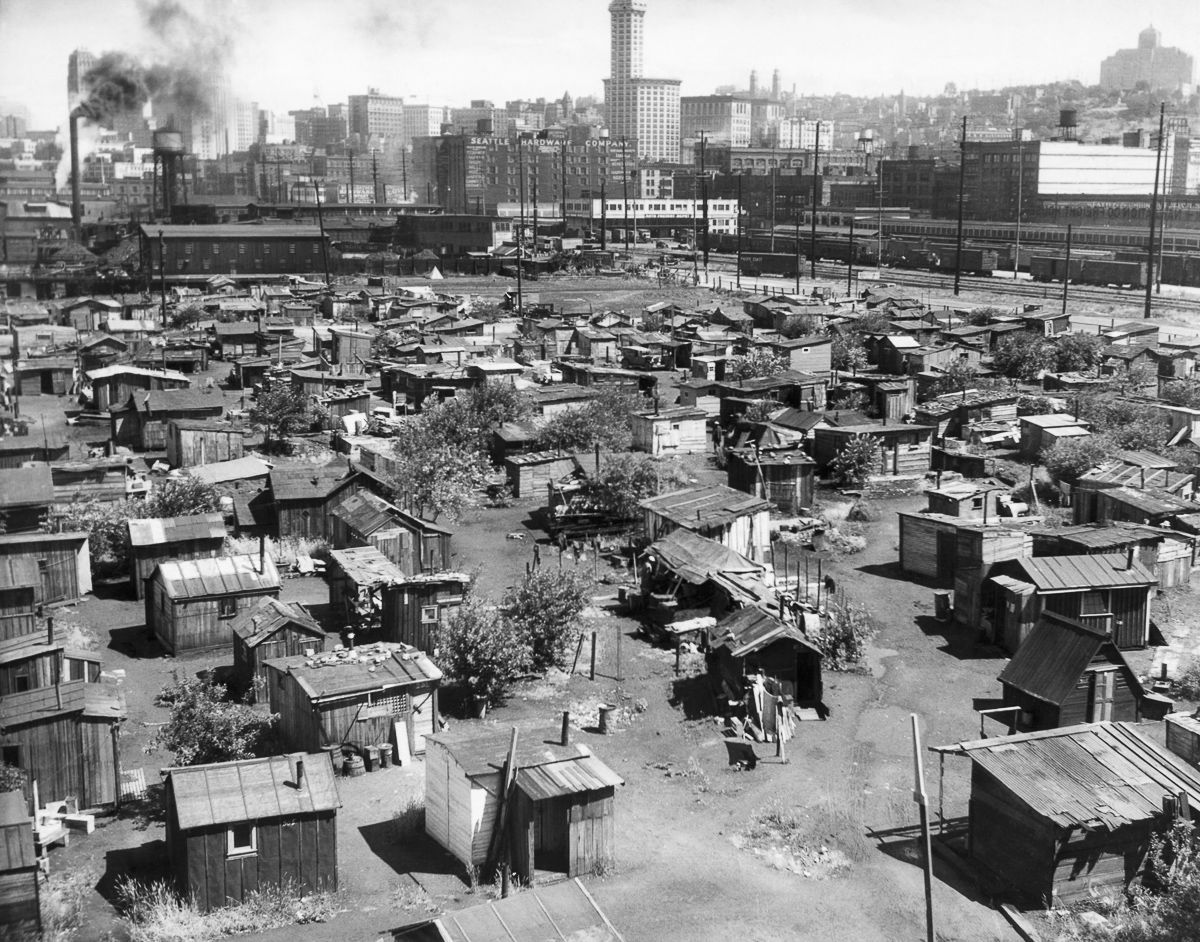
In 1931, an unusual town began to grow on the shore of Elliott Bay in Seattle. Its houses were built from wooden crates, old planks, tin and even cardboard. Some dwellings were the size of dog houses, others larger, with windows and stoves inside. People called such settlements "Hoovervilles" — after President Herbert Hoover, whom many blamed for the economic crisis.
But the Hooverville in Seattle was special. In other cities the police quickly dispersed such settlements, but the mayor of Seattle chose not to interfere. Perhaps he understood that these people had nowhere else to go. Or perhaps he saw that they were not causing trouble but trying to survive with dignity. Thanks to that, the city of boxes lasted nearly ten years — longer than any other Hooverville in America.
At its peak, more than a thousand people lived there. They were former loggers, fishermen, builders, vendors — ordinary people who had lost their jobs through no fault of their own. Among them were single men and entire families. They were all in the same boat, and that forced them to act together.
Government Without Buildings
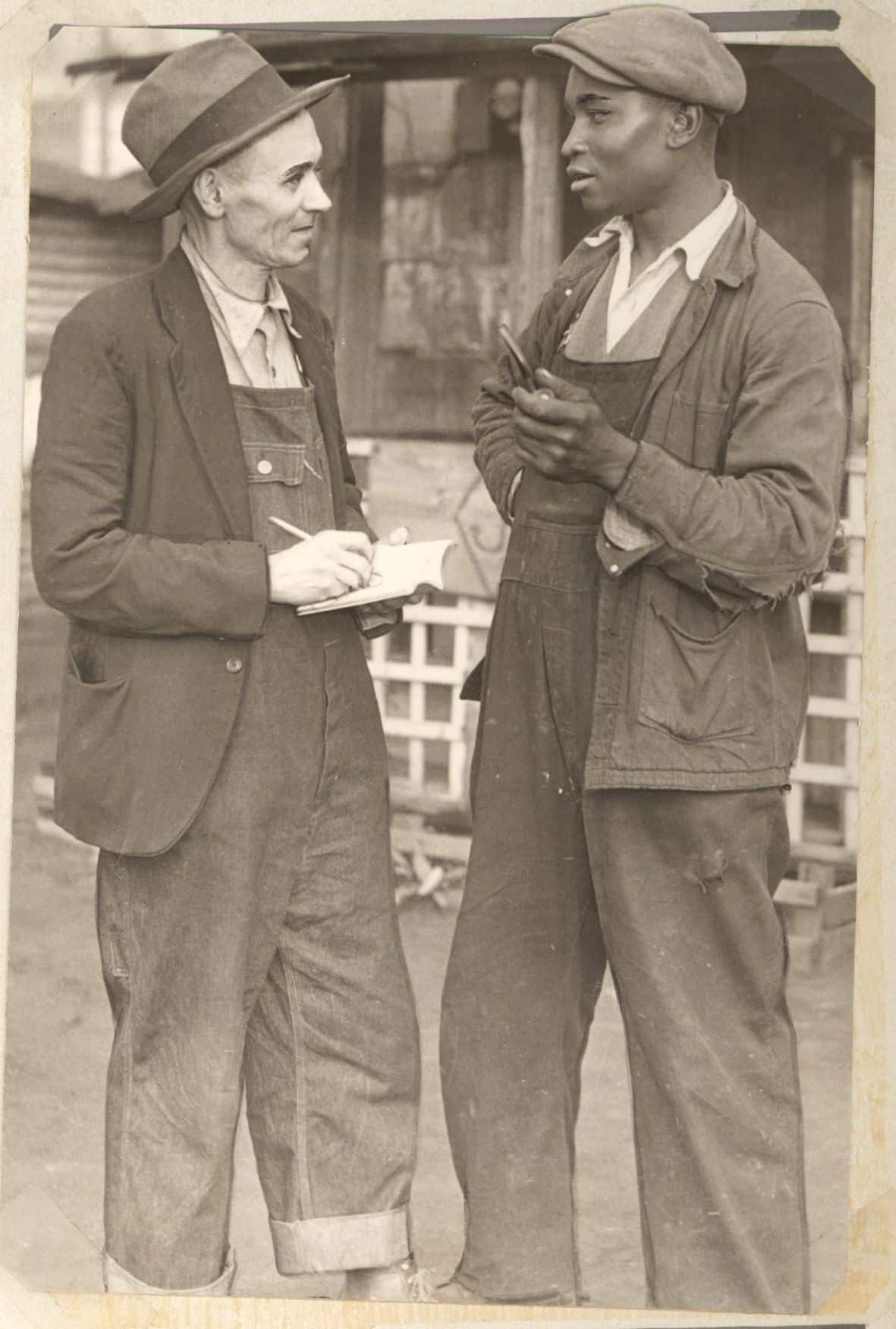
The most surprising thing about Seattle’s Hooverville was that the residents created real self-government. In 1931 they elected their own mayor. His name was Jesse Jackson (not the later famous civil rights figure). Jackson was unemployed like everyone else, but people trusted and respected him.
Mayor Jackson did not receive a salary and had no office — only his little shack of boards. But he had real responsibilities. He kept order, settled disputes among residents and represented Hooverville to the authorities of greater Seattle. When police or journalists came to the settlement, they spoke to him as to a real mayor.
The residents created other "offices" as well. They had a sanitation committee that kept things clean. There were people responsible for the communal water well. There was even a kind of "court" — when conflicts arose, a group of respected residents would gather and decide who was right and who was wrong.
Rules were simple but strict. Stealing was forbidden — neither from neighbors in Hooverville nor from residents of greater Seattle. Excessive drinking and brawling were not allowed. Huts had to be kept clean and common areas free of litter. If someone broke the rules, they could be asked to leave. These rules helped maintain order and showed that Hooverville residents were not criminals or idlers, but ordinary people in hard circumstances.
Living on the Edge, Not the Bottom
Each morning Hooverville residents woke in their small houses and began their day. Some went searching for work — even one day’s job to earn a little money. Some went down to the bay to fish or gather shellfish. Others walked the city collecting anything that could be reused: boards, nails, scrap metal.
But Hooverville was more than a place to sleep. It was a community. If someone had no food, neighbors shared. If someone fell ill, others brought hot soup. When winter came and it was cold, people helped each other insulate shacks.
Residents were proud of their settlement. They tried to keep it clean — important not only for health but for self-respect. Some even planted small gardens next to their homes, growing vegetables. One resident told reporters, "We may not have much, but we have dignity. We are not beggars. We work when we can and help each other."
People in greater Seattle had mixed feelings about Hooverville. Some feared or scorned it. But many understood that it could happen to anyone. Local fishermen sometimes shared their catch. Bakeries donated yesterday’s bread. Churches organized clothing drives. That support helped people survive.
When the City Disappeared, the Lesson Remained
In 1941 Seattle’s Hooverville closed. Not because the police drove it out, but because World War II had begun. America shifted to producing weapons and military equipment, jobs appeared, and people began finding work. In addition, the land Hooverville stood on was needed for military purposes.
Residents dispersed. Many found work in factories or shipyards. Some joined the military. Their small homes were dismantled, and within months no trace of the city of boxes remained. Today modern buildings stand on that site, and few remember that a whole town once existed there.
But the story of Seattle’s Hooverville is important. It shows that even in the hardest times people can create order, care for one another and keep their dignity. Hooverville residents did not wait for someone else to solve their problems. They chose a leader, set rules and built a community.
This story also reminds us that homelessness is not always the result of laziness or bad behavior. Sometimes good, hardworking people lose everything because of circumstances beyond their control. When that happens, they need not only help but respect.
Today Seattle again faces homelessness, as do many other cities. Perhaps the Hooverville story can teach us something important: that people need not only shelter and food, but also the chance to participate, make decisions and feel part of a community. Mayor Jackson and his neighbors showed that even in a city of boxes one can live with dignity when people treat each other with respect and care.