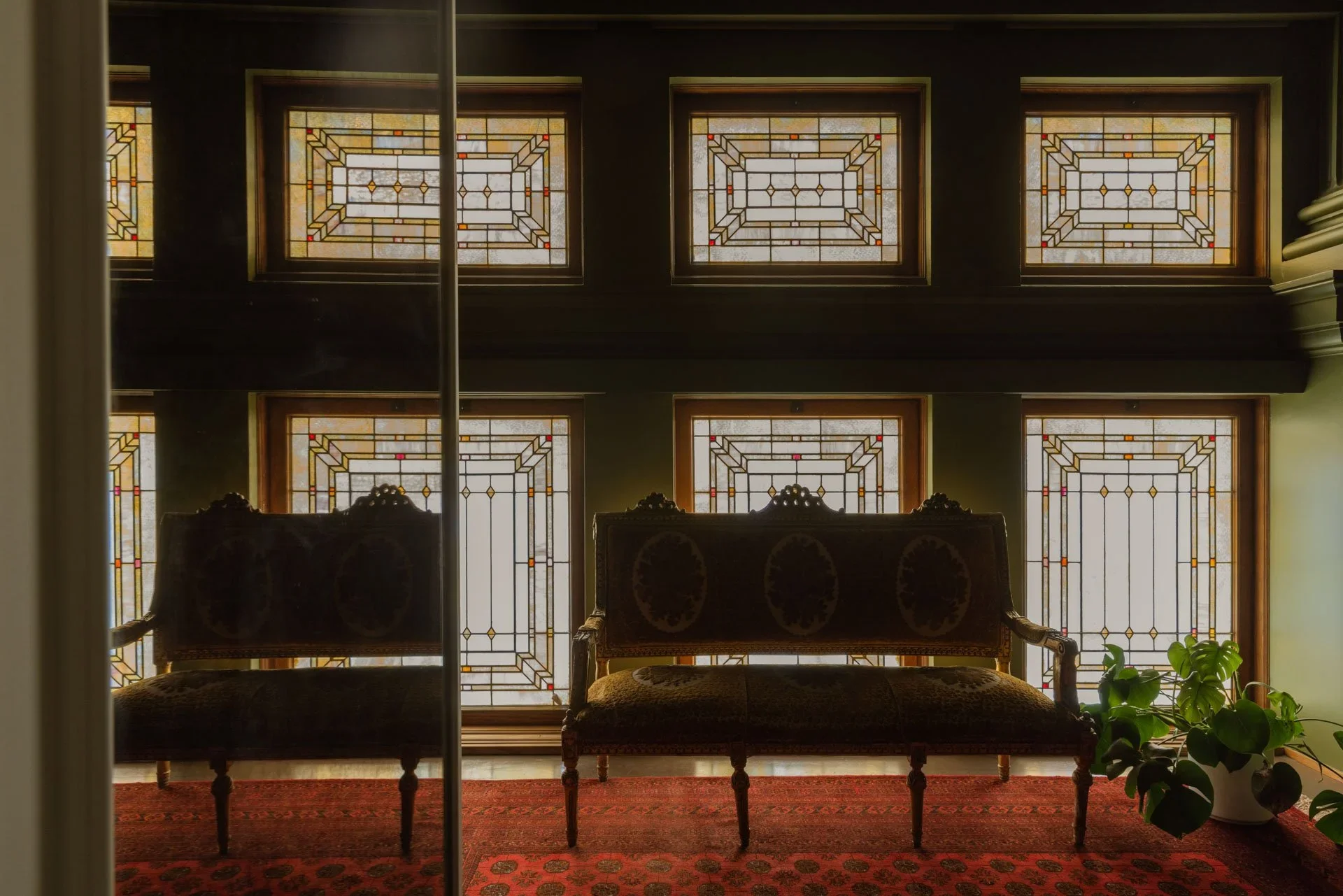
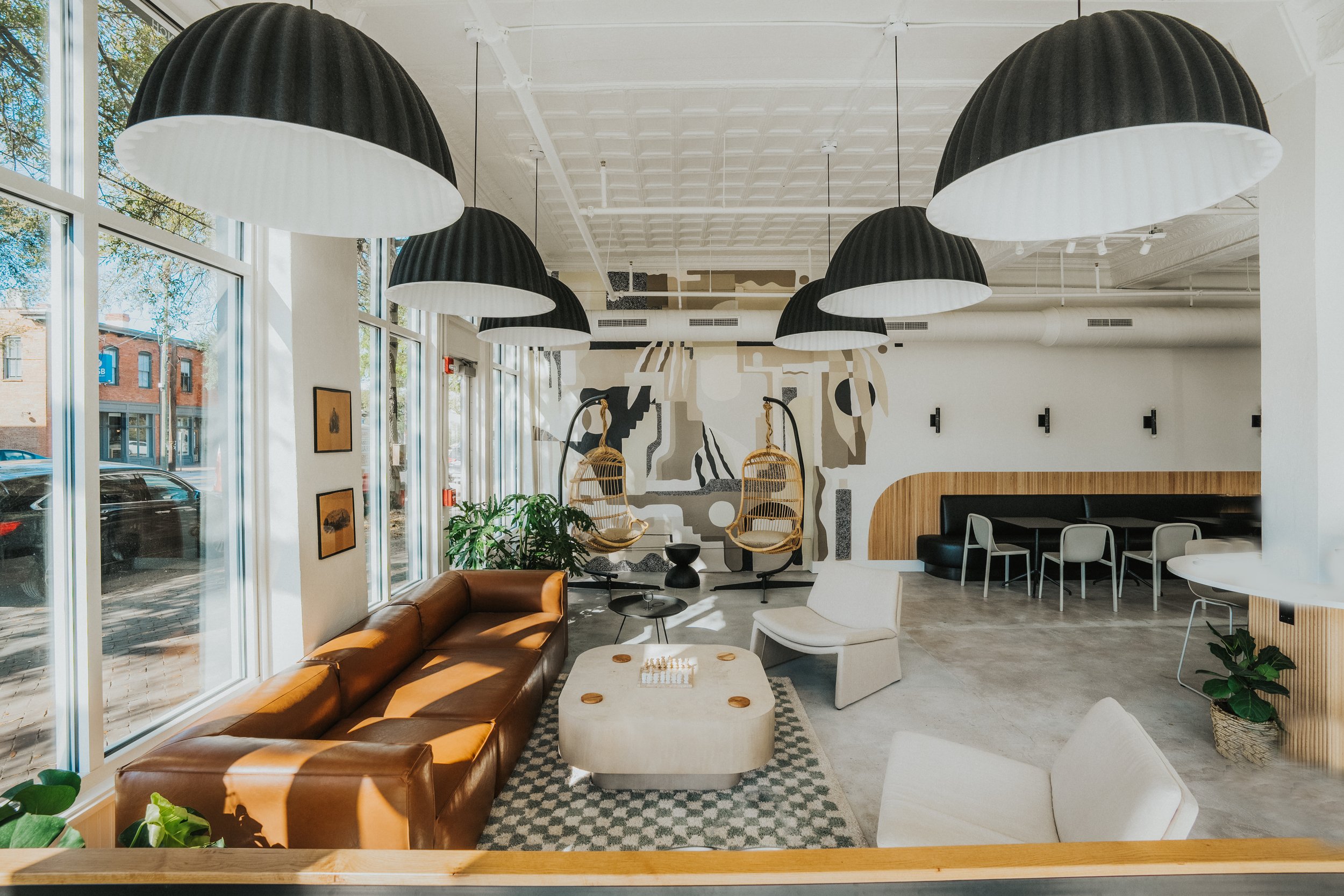
Imagine a room that can transform. In the morning, it’s a cozy coffee shop that smells of cinnamon. At noon, it becomes a studio where paintings are made. In the evening, it’s a small stage where a girl sings with a guitar. These magical rooms didn’t appear in Seattle by magic—they came from one very important money decision. And that decision changed not only people’s wallets, but the city’s streets themselves.
What Is a Minimum Wage and Why It Matters
Imagine you work in a café: washing dishes, smiling at customers, carrying heavy trays. For every hour you work, you earn money. The minimum wage is a law that says, “You can’t be paid less than this amount.” It’s like a rule in the game that protects people who work.
In 2014, the Seattle City Council voted to raise that figure to $15 per hour. For a big city, it was bold—almost nobody in America was doing anything like it then. Many were hopeful: workers would be able to buy more food, dress better, and rent places closer to work. But owners of small cafés and shops worried: if you pay employees more, you’ll either have to raise prices or come up with something new.
At the time, no one knew that this decision would change not only people’s finances, but the buildings themselves.
When Cafés Close, Cities Invent New Words
The Capitol Hill neighborhood in Seattle is special. Artists, musicians, and people who love the unusual have always lived here. Small coffee shops stood shoulder to shoulder with bookstores and galleries. But when the minimum wage began to rise, some owners of small places realized: it wouldn’t work the way it used to.
Some cafés closed. On their storefronts appeared paper signs: “For Rent.” Suddenly, some streets went quiet—where there used to be the smell of coffee and music, there were now blank windows staring back.
But here’s the interesting part: emptiness didn’t stay empty. Artists started painting huge, bright murals on the closed windows—art directly on glass and brick. Some property owners began renting the spaces for a single day, a single evening—for pop-up markets where young designers sold handmade jewelry and clothing. Others turned their spaces into something “flexible”: the same place could function as a coffee shop, a studio, and a concert venue depending on the time of day.
Architects and designers noticed the idea. “Living spaces,” as they came to be called, began to be designed intentionally—with folding partitions, movable furniture, and walls that could be rearranged. Seattle created a new language for city buildings.
How Money Changes the Character of Streets
As people started earning more, where they lived changed too. Before, many café and shop workers commuted from farther away—from suburbs where rent was cheaper. Now, some were able to rent a room right in Capitol Hill or nearby neighborhoods. That changed the feel of the area: new faces, new habits, new needs.
Researchers at the University of Washington tracked what happened in Seattle after the law was passed for several years. They found the picture was very mixed: some businesses suffered, others flourished. Restaurants with expensive menus handled the change better than cheap snack shops. At the same time, the city saw more small bakeries and coffee shops with unusual concepts—places where the owner also acted as the cook, cashier, and cleaner, meaning they needed fewer paid employees.
Capitol Hill’s cultural look also shifted. Some old bohemian venues disappeared, but in their place came something new: more community gardens where neighbors grow tomatoes and flowers together; more small galleries that are open only on weekends; more spaces where you can drink coffee, listen to a lecture about the stars, and buy a handmade postcard.
The Lesson One City Taught
Seattle’s story teaches us something important: cities are living things. They breathe, change, and adapt. When something big happens to people—for example, when they start earning more—that change inevitably shows up in buildings, streets, storefronts, and backyards.
Seattle didn’t just raise wages. By accident, it invented a new kind of urban space—flexible, living, many-faced. This experience is studied by architects around the world: in Berlin, Tokyo, and Moscow. The idea that one place could be many things at once—a coffee shop, a studio, and a stage—wasn’t born in an expensive architectural firm. It came from necessity, from difficulty, from people’s desire not to give up.
To me, that’s the most beautiful part of this story: sometimes, it’s exactly when things get hard that cities come up with the boldest ideas. And then those ideas last a lot longer than the hardships that gave rise to them.