Imagine a long thread strung with colorful beads. Now imagine that the thread is a streetcar line, and the beads are entire city neighborhoods. That is roughly how Seattle grew more than a century ago: first the rails were laid, and then homes, stores, and parks appeared along them. And when the rails were removed, the “beads” remained—but living in them became completely different.
How Streetcars Came to Seattle
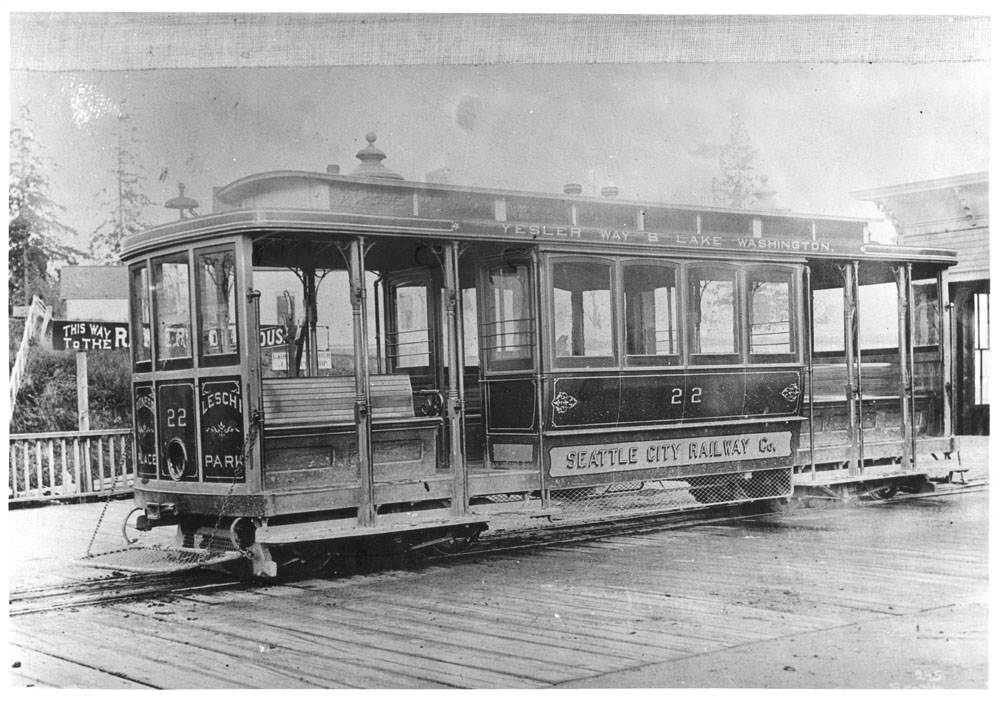
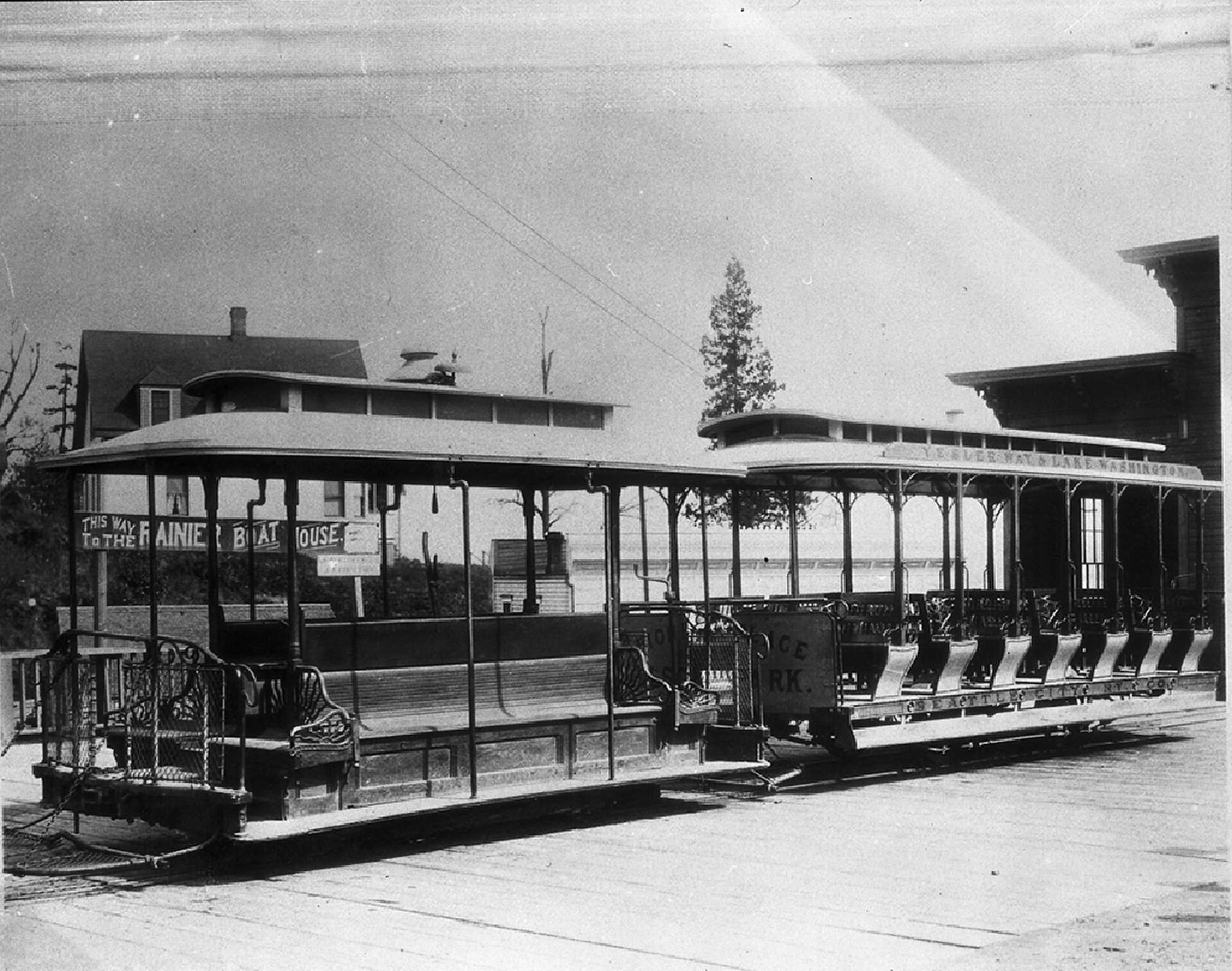
At first, streetcars in Seattle were pulled by horses. This was slow, and it was especially difficult for a city built on hills. Then cable cars were invented: an underground steel cable moved beneath the streets, and the car “gripped” it to climb uphill. Beginning in the late 1880s, electric streetcars appeared in the city. They needed neither horses nor cables—only electricity from wires overhead.
This is where things get especially interesting. Streetcar companies did more than simply carry passengers. They often bought undeveloped land on the outskirts, built a streetcar line to it, and then sold the lots for homes. The farther the line extended, the more people wanted to live there, because they could quickly reach jobs downtown. That is how neighborhoods such as Ballard, Fremont, Capitol Hill, and Rainier Valley grew up along the rails.
There was even a park on the shores of Lake Washington that residents visited by streetcar, much as we might travel to an amusement park today. The journey itself was part of the entertainment.
How Streetcars Helped the City and the Environment
Let’s think about why streetcars are considered environmentally friendly. First, they run on electricity and do not release smoke from an exhaust pipe like older buses and cars. Second, a single car carries many people at once, which means streets need less space for automobiles. Third, Seattle generated its electricity from water: as early as the beginning of the 20th century, the city built hydroelectric plants on rivers in the mountains. Water turned turbines and produced inexpensive electricity for homes, streetlights, and streetcars.
But let’s be honest: everything has drawbacks. Dams on the rivers disrupted salmon, which swim upstream every year to spawn. So “clean” energy never comes without some cost to nature. Since then, the city has been learning to find a balance between people’s convenience and the life of its rivers.
Why the Streetcars Disappeared
In the 1920s and 1930s, more and more cars and buses appeared on the roads. Gasoline was inexpensive, and buses did not need rails or overhead wires: they could travel along any street. Streetcar companies found it increasingly difficult to make money, and many lines were closed one after another. The last streetcars in Seattle stopped running around the beginning of the 1940s. The rails were covered with asphalt, and the old cars were sold or dismantled.
But the city did not completely forget its “thread.” If you look carefully, you can still notice traces of it: some streets are so wide and straight because streetcars once ran along them. Sometimes, after road repairs, old rails appear from beneath the asphalt. And homes in the “bead” neighborhoods stand close together because they were built so people could walk to a streetcar stop.
The Rails Return
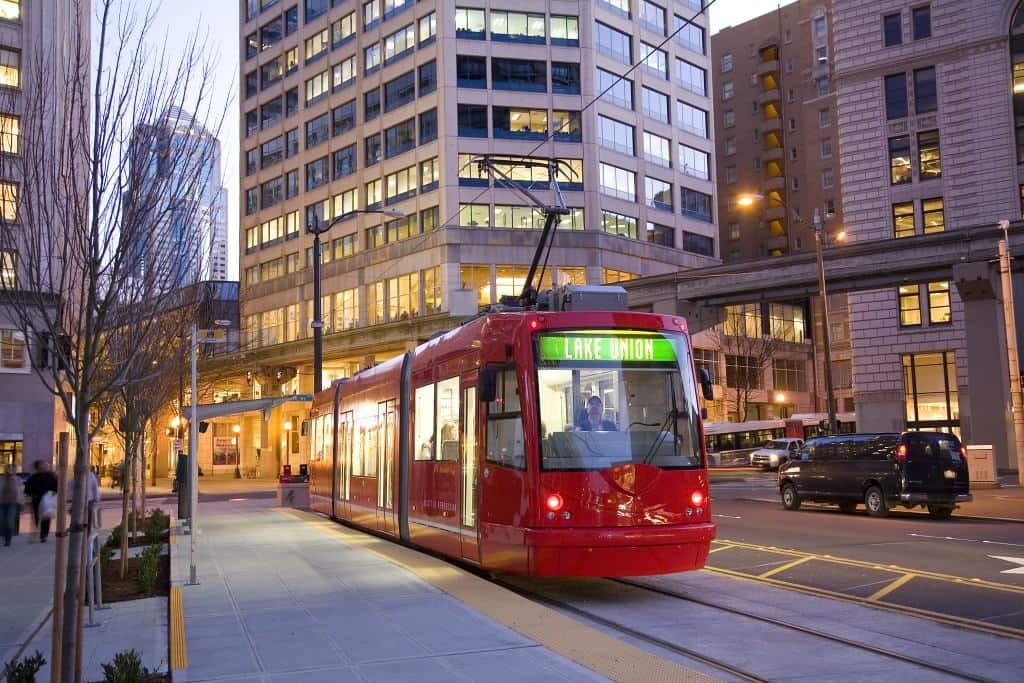
The most surprising part of this story is what happened next. In the 2000s, Seattle opened streetcar lines again: the small South Lake Union Streetcar and the First Hill line. The Link light-rail system also appeared, carrying people from the airport to downtown and farther north. The city once again remembered that rails are a good way to transport large numbers of people without filling the streets with cars.
It seems to me that this is like bringing back an old favorite toy: at first it seemed unnecessary, but then it turned out that nothing was better. If you ever find yourself in Seattle, try riding a streetcar and imagine how, a hundred years ago, similar cars clanged along these same streets. And along the way, keep an eye out for old rails in the asphalt.
What This Story Teaches Us
The history of Seattle’s streetcars shows that a city is not something that cannot be changed. People build it through their decisions: how to travel, where to put homes, and what to protect. At one time, people chose cars and removed the rails. Later, they realized they needed cleaner air and quieter streets, and brought the streetcars back. That means that when you grow up, you too can help decide what your city will be like. After all, the most important “thread” is not the rails, but the people who decide where it will go next.