Imagine having no home, no money, and almost nothing at all—only your hands and a head full of ideas. That is how thousands of people in Seattle lived nearly a century ago. But instead of giving up, they built an entire city out of old boards, rusty barrels, and pieces of cardboard. And here’s the surprising part: that same ingenuity later helped Seattle become the city of inventors, computers, and smart ideas it is today.
Hard Times and a City without Money
In the 1930s, America experienced the Great Depression—a time when huge numbers of people suddenly found themselves without jobs or money. Factories closed, plants shut down, and there was no one left to pay wages. In Seattle, as in other cities, thousands of people lost their homes.
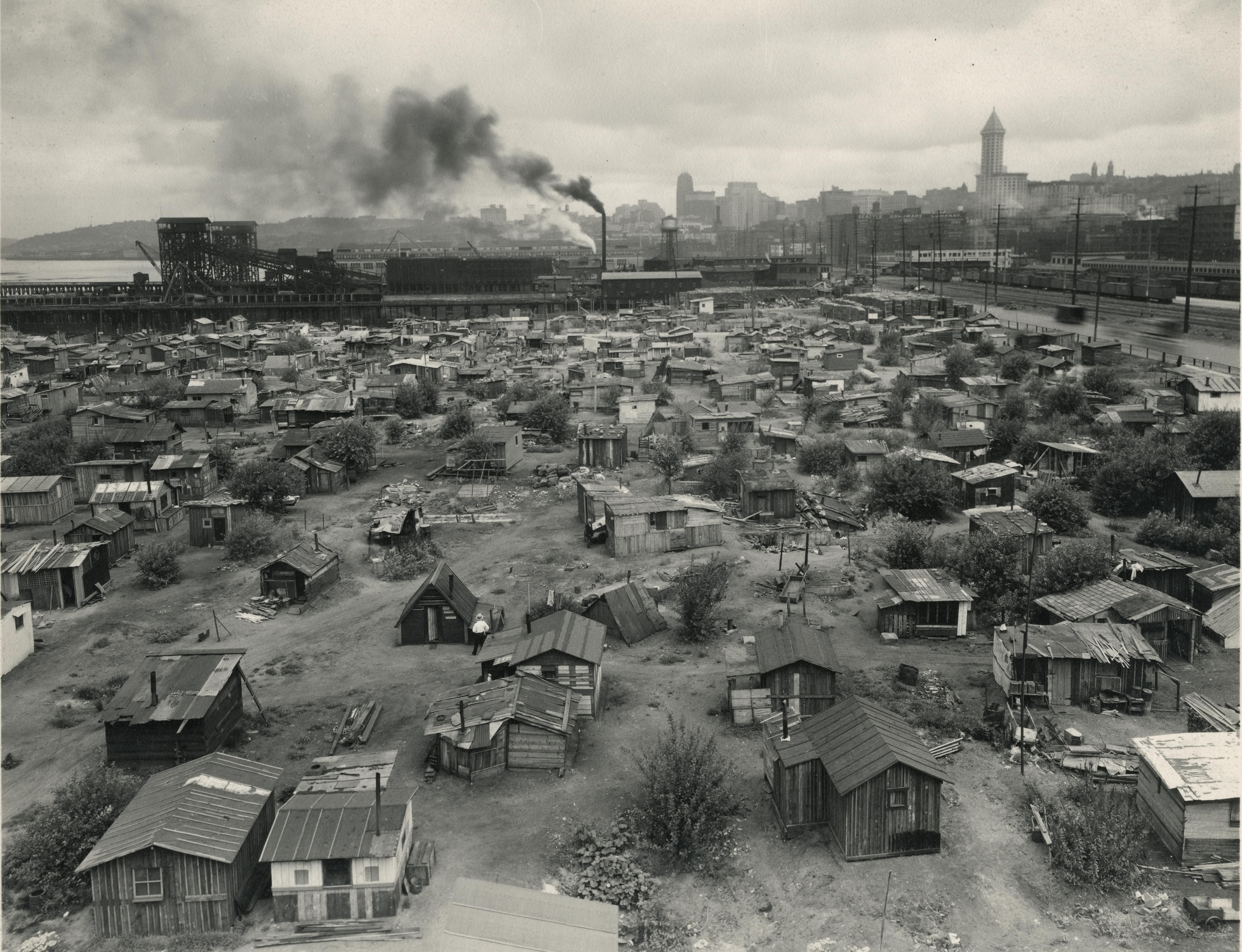
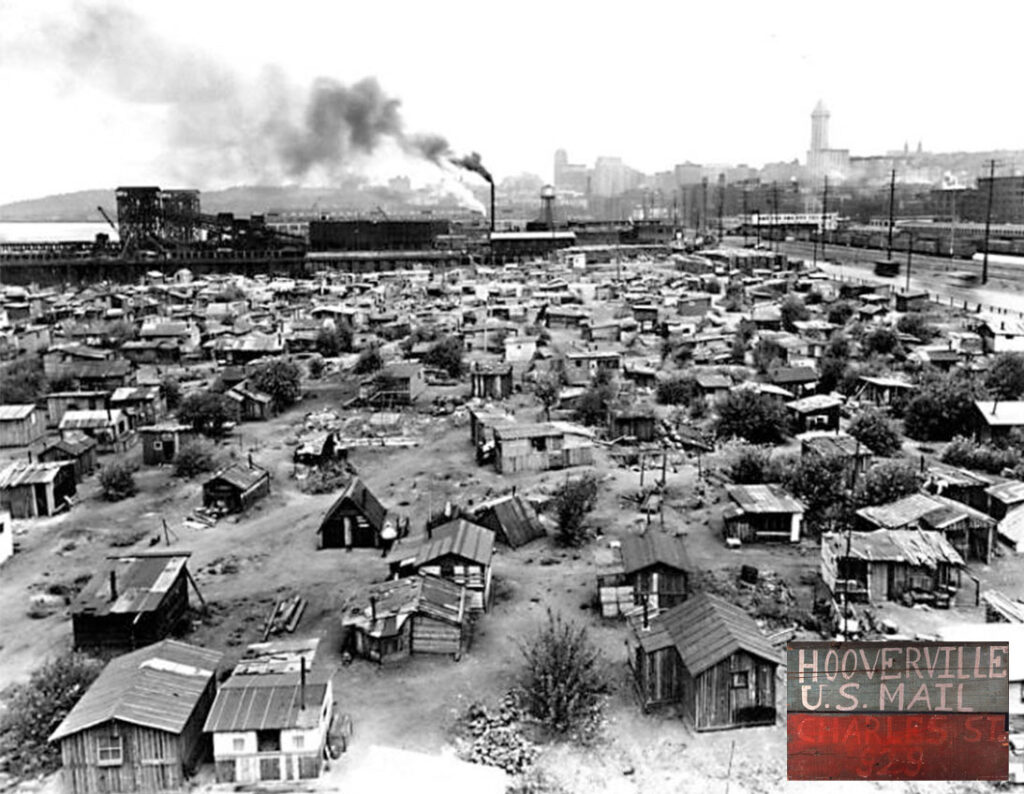
Temporary settlements made up of homemade shacks appeared in different parts of the city. They were nicknamed “Hoovervilles,” after President Herbert Hoover, whom people blamed for what had happened. That was somewhat unfair, but that was how things turned out. Seattle’s largest Hooverville stood on the shore of the bay, where the southern part of downtown is located today. As many as 1,200 people lived there—about the size of several schools packed to overflowing!
A Barrel House and a Mayor without a Palace
Here is the most interesting part: the people of Hooverville were not merely surviving—they were inventing. They had no money for stoves, so they took old oil drums, cut holes in them, and turned them into real heaters for their shacks. They had no warm walls, so they used tar paper, cardboard, and sheet metal—anything that could protect them from rain and wind.
But the most remarkable thing was that Hooverville’s residents created their own rules, just like a real little city. They elected their own “mayor”—someone who kept order and settled disputes. There were rules: do not steal from your neighbors, keep the settlement clean, and help one another. They even published a small newspaper with the news!
One Seattle historian later wrote that Hooverville was a “city within a city”—with its own laws, pride, and ingenuity.
To me, it sounds a lot like when children build a shelter or a fort out of pillows and blankets—and suddenly there are “game rules,” a “leader,” and even a “mail service” for passing notes. Except here, it was not a game but real life.
From Barrel Stoves to Garages with Computers
Seattle’s Hooverville lasted for nearly ten years, from 1931 to 1941, until the city finally shut it down. But the idea that simple things can be turned into something useful did not disappear. It was as if it remained alive in the city itself.
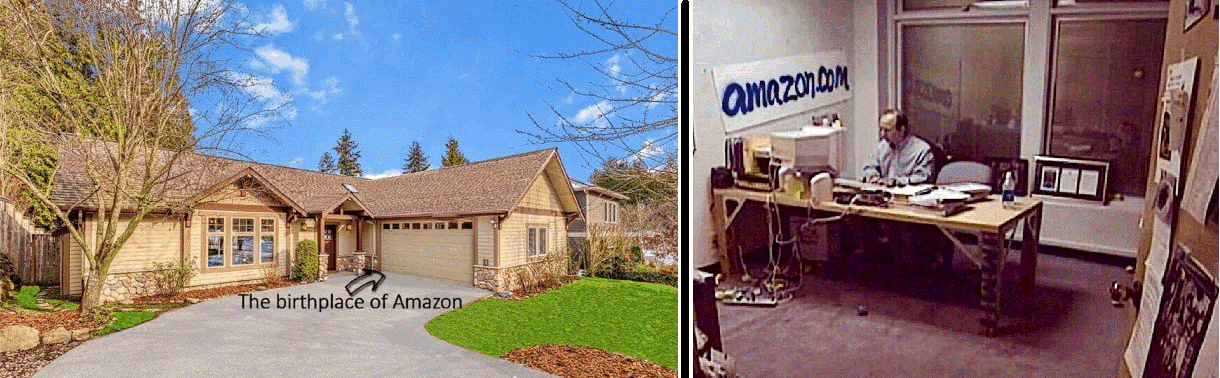
Several decades later, young people in Seattle once again began inventing things in ordinary garages—with little money but big ideas. Microsoft’s story began in a garage near Seattle. Amazon, too, was born almost “from nothing”—in a small rented house rather than a huge office.
Historians and city residents like to say that the spirit of Hooverville—the ability to find a solution when it seems there is none—became part of Seattle’s character. Perhaps it is simply a beautiful coincidence, or perhaps there is some truth to it.
| Then (the 1930s) | Now |
|---|---|
| A stove made from a barrel | A computer built in a garage |
| A shack made from cardboard | A startup in a small office |
| Homemade settlement rules | Ideas that changed the world |
Why It Is Important to Remember
The story of Hooverville is not only a story of poverty and hardship. It is also a story about how, even when people have almost nothing, they are still capable of inventing, building, and refusing to give up. Today, Seattle is filled with the tall glass buildings of technology companies, but if you look closely, you can see an echo of that same spirit—the spirit of people who once made a stove from a barrel and named their neighbor mayor.
Sometimes the most important lessons come not from those who have everything, but from those who learned to make do with very little—and did so with remarkable ingenuity.