An unprecedented thunderstorm left thousands of residents of the Canadian metropolis without power, while the region prepared for its largest reptile expo and an investigation into a police-related incident—a look at the key events in British Columbia.
Vancouver storm: More than 11,000 residents left without power by severe weather
Friday morning, August 14, 2026, proved truly extreme for Vancouver residents. A powerful storm front that swept across the capital of British Columbia caused a major power outage, leaving more than 11,000 households in the Lower Mainland without electricity. According to BC Hydro data published on its official outage list, the storm’s main impact was felt in the city itself, where 11,160 customers lost power at once because of a substation failure. The incident occurred between 8 and 9 a.m. The utility noted that the duration of the outages varied by neighbourhood: in some areas, the power was out for only a few minutes, while elsewhere residents waited several hours for service to be restored.
Notably, in addition to the major substation failure, the city experienced a series of smaller incidents. Some were related to scheduled equipment work, but one affecting 14 homes was directly caused by a lightning strike during the morning storm. The weather itself proved particularly unpredictable. Meteorologists had warned in advance of the risk of morning thunderstorms, linking them to the passage of a low-pressure system that brought moisture, strong wind gusts and general atmospheric instability. At the time of the outage, local residents saw not only lightning and heard thunder, but also experienced an actual hailstorm, which experts preliminarily suggested may have contributed to the equipment damage.
BC Hydro responded quickly, sending emergency crews to the scene. By 9:30 a.m., specialists had arrived to address the problems, while the company actively posted updates for concerned residents on social media. In its posts, the utility said repair work was well underway and expressed hope that power would be restored soon. Interestingly, similar problems affected neighbouring Richmond the previous day, Thursday, where approximately 359 residences lost power. Smaller outages were also recorded in Hope and Langley. This suggests that the storm affected a relatively broad area of the region.
By 2 p.m., according to updated information, power had been fully restored to most of the affected homes in Vancouver, although completely resolving the consequences of the failure took additional time. While the official cause of the major outage was identified as a “substation defect,” experts have not ruled out the possibility that extreme weather conditions—including hail and sharp temperature changes—triggered the technical failure. The editors of Vancouver Is Awesome contacted BC Hydro representatives for comment, but no detailed explanation had been received by the time of publication. The situation clearly demonstrates how vulnerable urban infrastructure can be in the face of a rapidly changing climate, when even a brief but intense storm can paralyse entire neighbourhoods. Local authorities and utilities are once again being forced to consider modernising their networks and improving their resilience to such natural disasters, which appear to be becoming increasingly common.
For those unfamiliar with Canadian terminology, BC Hydro is a Crown corporation responsible for generating and distributing electricity in the province of British Columbia. The term “Lower Mainland” refers to the densely populated region in the southwestern part of the province, including Vancouver and its suburbs. A “substation” is a key part of the electrical grid that transforms voltage and distributes power flows. When such a facility fails, thousands of customers can automatically lose electricity. In this case, as reported in the Vancouver Is Awesome article, one source of the failure affected multiple neighbourhoods at once, requiring coordinated work by repair crews. Residents of the region should pay closer attention to weather forecasts and keep backup power sources on hand, as nature continues to produce surprises—and they are not always pleasant.
British Columbia prepares for its largest reptile expo: What to know
In late summer 2026, Vancouver residents and visitors will have a unique opportunity to enter the world of cold-blooded creatures. The annual reptile expo is considered the largest and longest-running event of its kind in the province. Organised by a local reptile club, it promises to be a true celebration for anyone interested in exotic wildlife. The expo will be held at a conference centre in Abbotsford, approximately a 90-minute drive from downtown Vancouver, making it a potential destination for an excellent day trip.
Visitors will find an impressive variety of living creatures, from familiar snakes, lizards and turtles to more unusual terrarium inhabitants such as tarantulas, scorpions and even tuataras—remarkable reptiles considered living fossils that are rarely seen in captivity. The expo will also feature exotic plants, invertebrates and themed merchandise, ranging from terrariums and feed to taxidermy displays, fossils and handmade items, including jewellery. Organisers have clearly worked to create an atmosphere that will appeal both to dedicated herpetologists and to families with children who simply want to see something new and unusual.
However, this fascinating event also has another side that anyone planning not merely to look at an animal but to purchase one should consider. Unlike cats or dogs, reptiles and amphibians require highly specialised care. Many need elaborate terrariums with precise temperature, humidity and lighting conditions, and their diets may shock an unprepared person. For example, some snake species eat only live rodents, which can become a serious moral barrier for many potential owners. Organisers and experienced breeders therefore strongly advise people to carefully weigh the pros and cons before deciding to buy, since these pets live for many years and require constant attention.
As for the practical details, the expo will run for two days: Saturday, September 12, from 10 a.m. to 5 p.m., and Sunday, September 13, from 10 a.m. to 4 p.m. The venue is the aforementioned conference centre in Abbotsford, at 32470 Haida Dr. Tickets are reasonably priced: admission for adults is $10, children under 13 can enter for $7, and a family ticket covering two adults and up to three children under 13 costs just $25. Children under four enter free, making the event particularly appealing to young parents. According to information from the Vancouver Is Awesome article, last year’s expo attracted considerable interest, and organisers expect a similarly strong turnout this time.
The mention of tuataras deserves particular attention, as these creatures are rarely seen even in professional zoos. For those unfamiliar with the species, tuataras are ancient reptiles found only in New Zealand. They look like lizards, but actually belong to a separate order that existed as far back as the time of the dinosaurs. They have a unique feature known as a parietal eye, a light-sensitive organ on the top of the head that helps regulate their sleep-wake cycles. Seeing such a creature in person is a rare opportunity that, by itself, may be worth the trip.
It is also important to understand that the expo is not merely a show but an educational platform. The British Columbia Reptile Club actively promotes responsible attitudes toward exotic animals, explaining the challenges involved in keeping them and the importance of species conservation. In a world where many reptile species are threatened with extinction because of habitat destruction and illegal trade, events like this play an important role in raising public awareness. So even if you do not plan to get a snake or lizard, visiting the expo can be a useful and educational experience that broadens your horizons and may even change your attitude toward these remarkable creatures. Ultimately, it is an excellent way to spend a day off with family or friends while learning something new about the natural world, which often remains outside the frame of everyday life.
British Columbia police watchdog seeks witnesses to North Vancouver incident
The Independent Investigations Office of British Columbia (IIO) has appealed to the public for help in clarifying the circumstances surrounding a man’s arrest that took place on the evening of August 10 in the Lonsdale Quay area of North Vancouver. The incident initially appeared to be a routine medical call but became the subject of a serious investigation after it emerged that the arrested man’s injuries may have been more significant than first believed.
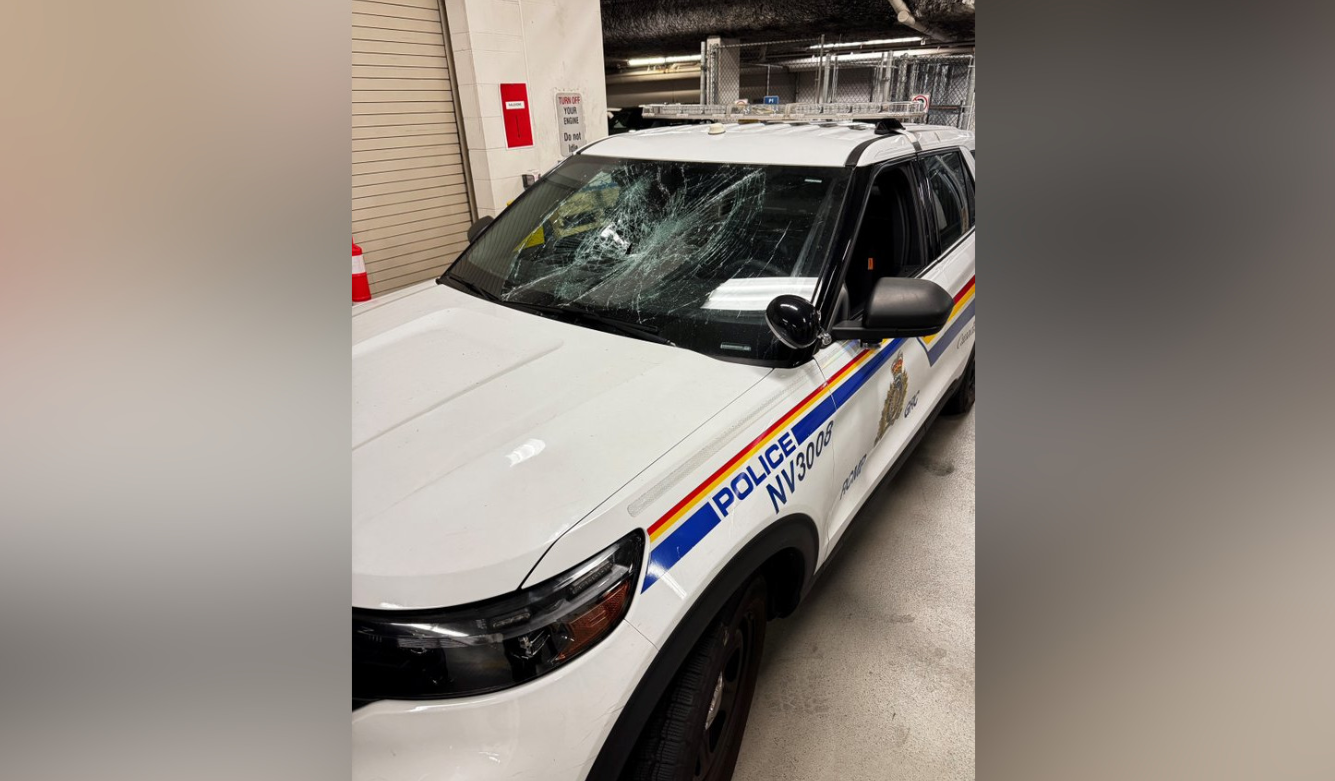
According to the watchdog, the incident began when members of the North Vancouver Royal Canadian Mounted Police received a call requesting medical assistance. Arriving at approximately 8 p.m., officers found a man who appeared to need medical attention. The situation took an unexpected turn when the man climbed onto the roof of a police vehicle instead of waiting for paramedics. This behaviour naturally required immediate police intervention. The man was taken into custody and transported to hospital for examination and treatment.
The most significant part of the story came afterward. Initially, police did not notify the watchdog about the incident because they believed the man’s injuries were minor. Later, however, the IIO received information that caused officials to question that assessment. Reports indicated that the injuries may have been more serious. As a result, the office decided to launch a full investigation to establish what happened and determine whether the man’s rights were violated during the use of force.
Investigators are now seeking witnesses who may be able to shed light on the incident. Given that Lonsdale Quay is a busy area that is typically crowded in the evening, the office has reason to believe that someone may have witnessed the incident or recorded it on video. Investigators are particularly interested in passengers in a grey Tesla Model Y that was nearby at the time. They may have captured what happened on the vehicle’s cameras, which often operate continuously.
As reported by CityNews Vancouver, IIO representatives are asking anyone with information, video footage or other evidence to contact the office. The case highlights the importance of independent oversight bodies in monitoring police conduct. Even when a situation initially appears straightforward, there is always room for doubt and further review. The IIO was created specifically to ensure objective investigations into incidents involving law-enforcement officers, and this case demonstrates how civilian oversight works in practice by responding to new information even when the initial assessment appeared conclusive.