The city is preparing for a busy week—from concerts by global stars and food festivals to troubling data on air pollution and encounters with unusual marine life. Residents will be able to enjoy the last warm days of summer, but environmental and public-health issues demand attention.
A Week in Vancouver: From Stadium Concerts to a Two-Dollar Book Sale
The final week of August in Vancouver and the surrounding area promises to be truly packed—from major stadium shows and food celebrations to cozy book sales and free outdoor movie screenings. Local outlet Daily Hive has compiled a list of twenty events worth attending from August 24 to 30, and there really is something for everyone, regardless of age or taste.
Let’s start with the week’s biggest musical event: two-time Grammy nominee Noah Kahan is bringing his grand The Great Divide tour to Vancouver. The concert will take place on August 28 at BC Place, making Vancouver only the second Canadian city on the tour, which the artist himself has called “monumental and career-defining.” The performance coincides with the release of his fourth studio album, which has the same title. For fans of heartfelt folk-pop with deeply personal lyrics, this is a must-see event. Tickets are already on sale, with prices varying, so it is best to act quickly.
For those who prefer a more intimate atmosphere, Quebec duo Angine de Poitrine will perform in Gastown that same evening. The group recently received the prestigious Global Breakthrough Award at the 2026 Billboard Canada Power Players and made the Polaris Music Prize shortlist. They have already opened for Jack White and sold out every date of their national tour, and now they have reached Vancouver—their shows will take place on August 23 and 24 at The Pearl. That same evening, August 24, fans can also catch iconic band The Strokes at Rogers Arena, where they will present their seventh album, Reality Awaits, following the triumph of The New Abnormal, which earned them a Grammy for Best Rock Album.
But the week is not limited to major concerts. Comedy fans can choose from several shows: on August 28, Andrew Barr, known for his appearances on CBC Radio and at comedy festivals in Halifax and Toronto, will perform at The Alcove Lounge. On August 27, Hollywood Theatre will host the Jokers Canada gala, featuring stand-up stars such as Charlie Demers and Ola Dada. Those looking for fresh material can attend a special evening with Kelsey Hamilton at Chill X Studio on August 26, where she will present a new program following the success of her debut special.
Family entertainment has not been forgotten either. On Saturday, August 29, Canada Place will host the annual Port Day, organized by the Vancouver Fraser Port Authority. This free family event will introduce guests to the maritime industry and its role in Canadian trade through interactive exhibits, demonstrations and information about careers in the field. The celebration will conclude with a performance by local alternative rock band Fake Shark. That same day, visitors can head to Burnaby to support the Vancouver Rise women’s soccer team in its match against Calgary Wild at Swangard Stadium.
The cultural program is equally varied. From August 28 to September 1, the central branch of the Vancouver Public Library will host a huge used-book sale, where more than 50,000 titles will be available for as little as two dollars—a true paradise for book lovers and collectors. The outdoor movie season is also continuing: every Tuesday through September 1, films are shown on a giant inflatable screen at Ceperley Meadows near Second Beach in Stanley Park. On Thursdays in North Vancouver, Deckchair Cinema operates outside the Polygon Gallery, with admission by donation. The famous PNE Fair is also nearing its end. Running through September 7, it will offer rides as well as concerts featuring Nelly, Cynthia Erivo and Earth, Wind & Fire.
The culinary week will be marked by the return of Brewery and the Beast, taking place on August 30 at Concord Pacific Place. The event, dedicated to meat and craft beer, will feature more than sixty restaurants and renowned chefs. Tickets start at $179.95 for a general admission pass, making it arguably one of the summer’s most upscale food events. Those who prefer Korean cuisine should visit the kimchi festival in Coquitlam, the largest of its kind in Western Canada. It will be held on August 28 and 29 at Town Centre Park and will include 114 different vendors, along with eight interactive programs, including kimchi-making workshops and a K-pop dance competition.
Finally, those hoping to make the most of summer can continue visiting farmers’ markets. Every Sunday through September 13, Ambleside Park in West Vancouver offers fresh local produce and handmade goods. Richmond Country Farms is also open through sunflower season; this year, visitors can see more than ninety varieties of the flowers, with the fields having doubled in size. Guests can take tractor rides, feed animals and take great photos. For those willing to travel outside the city, Whistler’s free summer concert and movie series continues at Olympic Plaza—an ideal way to spend a day surrounded by mountains.
As you can see, the final week of August in Vancouver is a true kaleidoscope of events, with something for everyone. Most activities are free or relatively inexpensive, making this week an excellent opportunity to enjoy the last warm days with friends and family.
Vancouver Is Choking: Why Canadian Children Are Paying for the Port Economy With Their Health
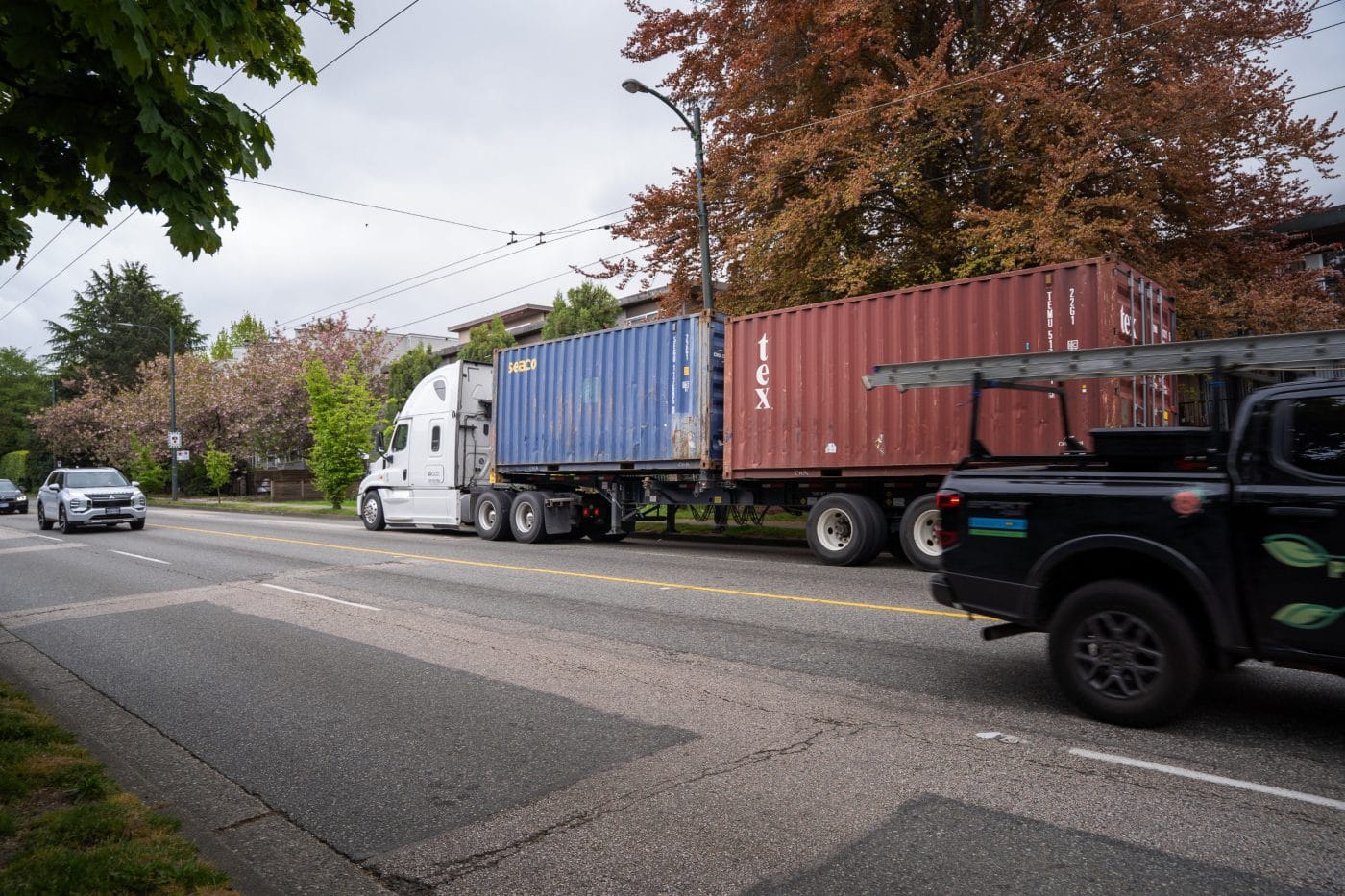
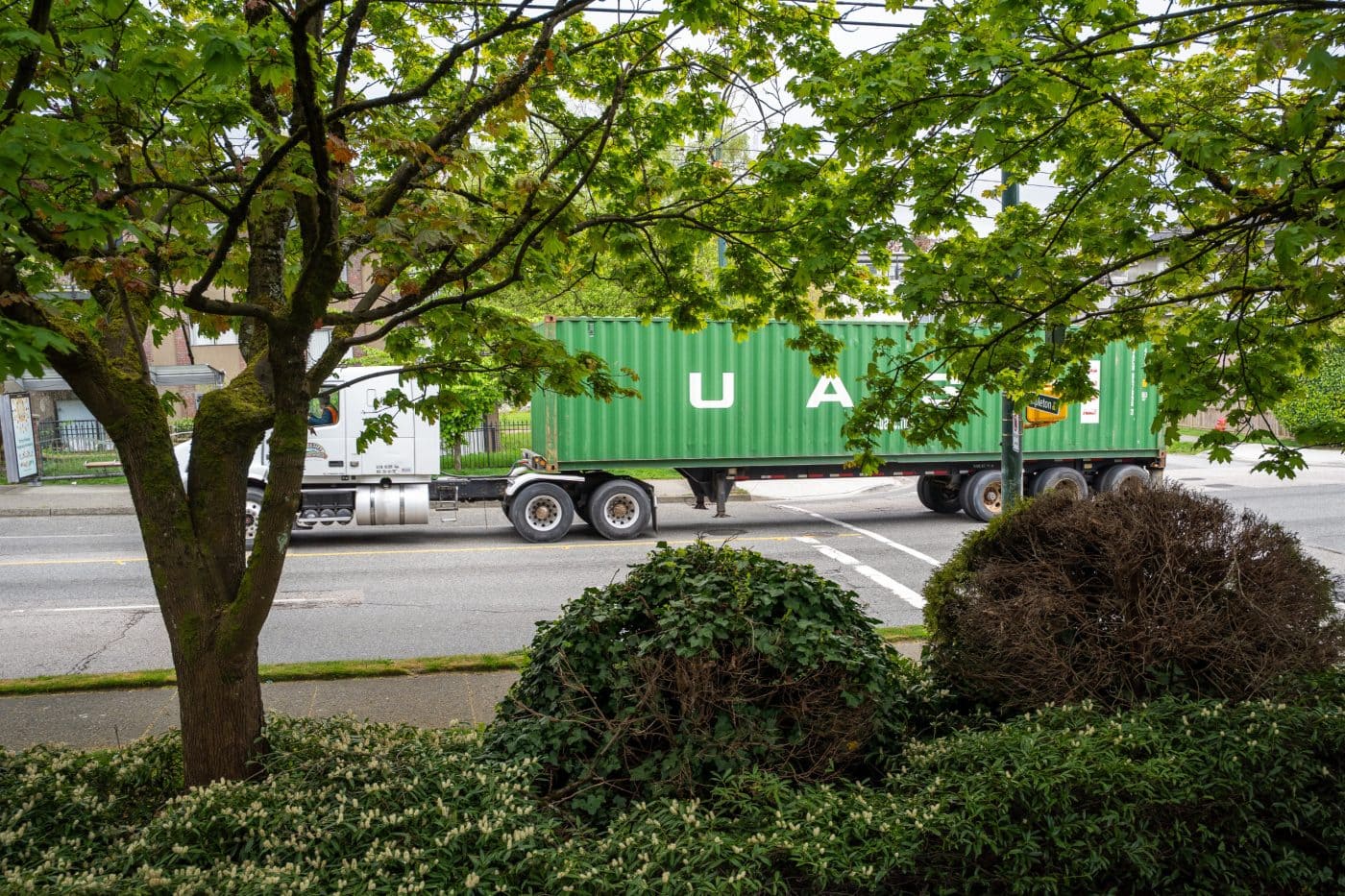
When Michelle Brown-Colistro became pregnant with her second child in 2024, she and her husband, like many young families in Vancouver, confronted the harsh reality of the housing market: affordable homes in this city, which has some of the highest prices in North America, are often located in areas where air quality leaves much to be desired. The family moved into a small wooden house built in the 1970s in Hastings-Sunrise, on the city’s eastern edge, hoping to raise their children relatively close to nature. It soon became clear, however, that their street was an official truck route leading to the Port of Vancouver—Canada’s largest trade hub, through which millions of containers pass every year.
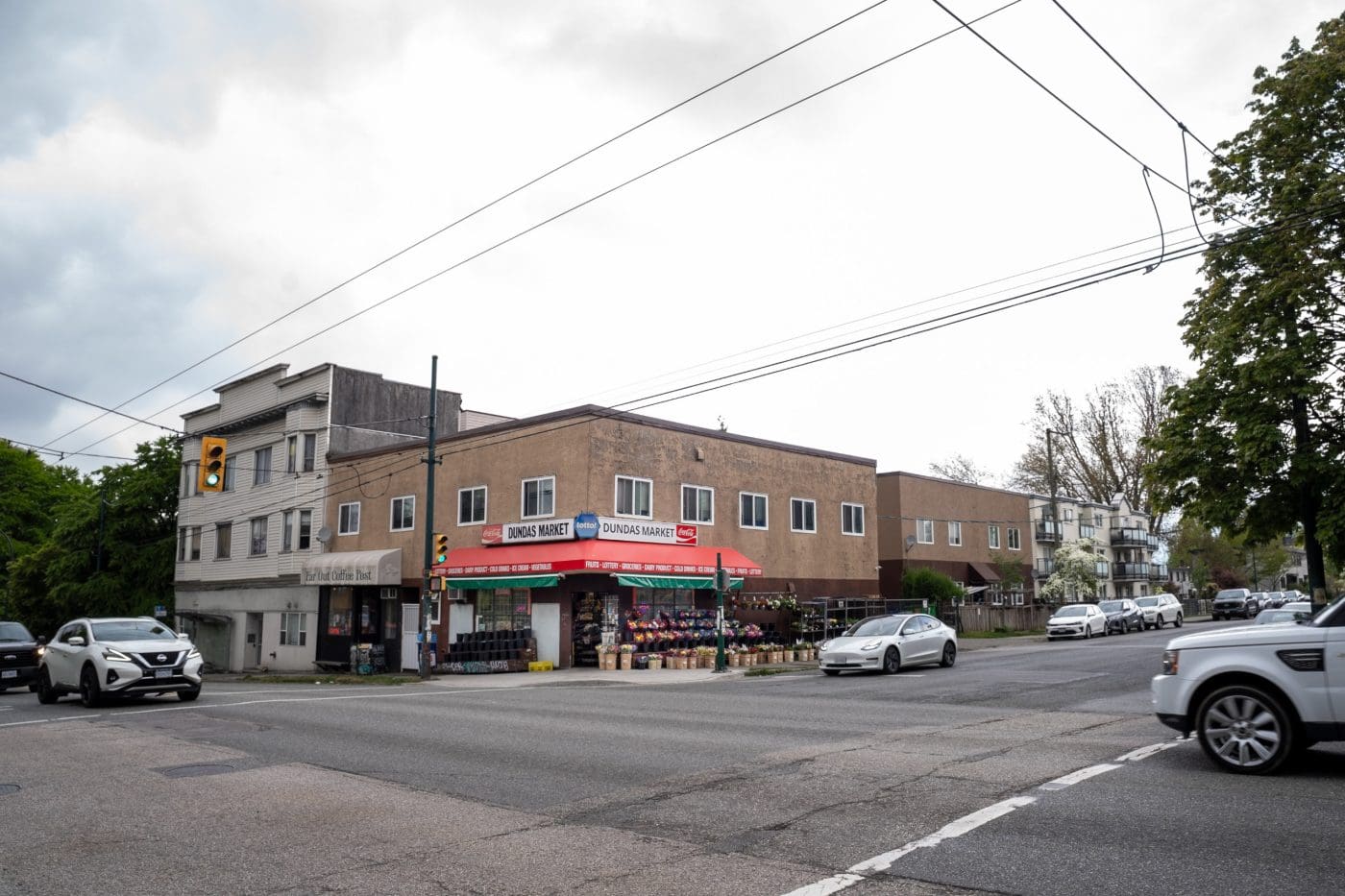
The problem facing the Brown-Colistro family is far from unique. This report by The Narwhal sheds light on a systemic public-health crisis in Vancouver, where the interests of the port economy and transportation logistics are consistently placed above residents’ health, especially children’s. Research shows that the Clark-Knight corridor, stretching eight kilometres from the Fraser River to the port terminals, has become a “road of death” for thousands of people living along it. About 33,000 vehicles pass through the Clark Drive and Broadway intersection every day. Although heavy trucks make up only six percent of the traffic, they are responsible for a disproportionately high level of air pollution: on weekdays, concentrations of hazardous substances are 2.8 times higher than on Sundays, when truck traffic is minimal.
Particularly alarming is the fact that ten of Vancouver’s eighty-nine elementary schools are located within 300 metres of this busy route—the distance at which pollutant concentrations are highest. This means that about six percent of the city’s elementary students breathe air every day that medical experts consider hazardous to their health. The situation is even more troubling given that, unlike other developed countries, Canadian law does not impose strict emissions requirements on heavy-duty diesel trucks. More than half of the 1,700 container trucks licensed to operate at the Port of Vancouver are older than 2018, while one-tenth are true “dinosaurs” from 2007 or earlier, releasing enormous quantities of toxins into the atmosphere.
Diesel exhaust is a dangerous mixture containing nitrogen oxides, sulfur, formaldehyde, benzene and microscopic soot particles. The World Health Organization officially classifies this “cocktail” as carcinogenic to humans. A study published in the medical journal Lancet Planetary Health found that one in five cases of childhood asthma in Canada is directly linked to transportation-related air pollution. A documented connection exists between exposure to diesel exhaust and an elevated risk of leukemia in children, as well as lung and breast cancer in adults. Particularly frightening are findings from Chris Carlsten, a professor at the University of British Columbia: just two hours of inhaling diesel fumes can impair cognitive function to a level equivalent to a blood-alcohol concentration of 0.05 percent—in other words, after a couple of drinks. For children whose lungs and brains are still developing, the effects may be irreversible and may not become apparent until decades later, when lung function begins to deteriorate rapidly in adulthood.
Other countries, notably, have been taking active measures to address the problem for years. The Port of Los Angeles, the largest in North America, introduced a ten-dollar fee per container, using the revenue to subsidize purchases of cleaner trucks. As a result, particulate emissions there have fallen by 92 percent over two decades, while nitrogen oxide emissions have dropped by 77 percent. Germany is building sections of autobahn with wireless charging for electric trucks, Sweden requires older vehicles to be retrofitted before entering environmental zones, and London’s experiment with an ultra-low-emission zone produced impressive results: over five years, children’s exposure to nitrogen dioxide fell by 22 percent, leading to improved lung growth and development. Canada, however, as noted by Marianne Hatzopoulou, a University of Toronto professor specializing in transportation systems and air pollution, displays a remarkable complacency bordering on irresponsibility.
Efforts to address the problem repeatedly encounter organized resistance. The Port of Vancouver’s “Rolling Truck Age” program, which would have barred the oldest and dirtiest vehicles, was postponed three times and eventually abandoned entirely following protests by drivers. Carriers also blocked the introduction of mandatory emissions testing for heavy-duty diesel vehicles, even though a similar program for passenger cars, in effect from 1992 to 2014, reduced emissions by 89 percent. As Dave Earle, president of the British Columbia Trucking Association, puts it, the issue is “politically white-hot”: a small number of older-truck drivers—only a couple hundred people—wield a surprisingly large amount of political influence. At the same time, research by McGill University scientists found that retiring only pre-2007 diesel trucks in Toronto and Montreal could prevent more than 3,300 premature deaths every year.
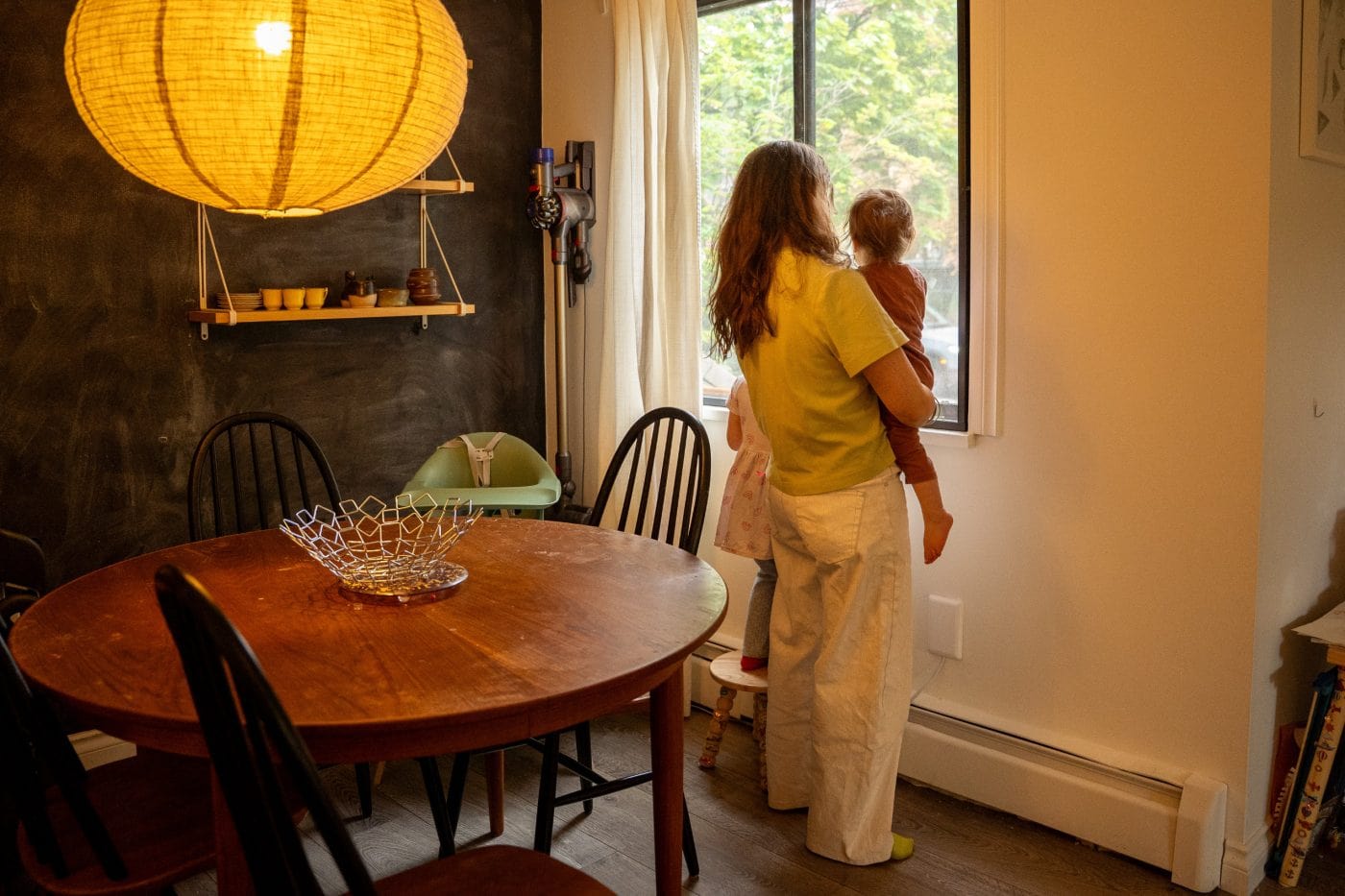
For residents of East Vancouver, this is not an abstract statistic but a daily reality. Michelle Brown-Colistro says she is forced to keep the windows closed even on the hottest summer days to protect her young son from the suffocating smell of diesel fuel, and she buys air purifiers that run around the clock. Her neighbor Christine Davis, whose child attends a school located directly along the truck route, asks rhetorically: “The port is an important economic engine for the country, but what is left for local residents who are forced to pay for it with their health?” Awareness is gradually growing that the problem cannot be solved without decisive action. In 1971, a group of East Vancouver mothers—the famous “Raymur Battle Mothers”—blocked railway tracks in protest against the danger faced by children crossing the rails on their way to school and succeeded in securing the construction of a pedestrian bridge. Today, their modern successors are increasingly wondering whether they will have to resort to similar acts of civil disobedience to force authorities to pay attention. As the endless coordination among the federal government, the province, the municipality, port operators and transportation companies continues, thousands of children are still breathing air that doctors, without exaggeration, call toxic.
A “Sea Wolf” Found in Vancouver Waters: Why This Fish Changes Color and How Dangerous It Is
When it comes to creatures of the deep, most of us picture either friendly dolphins or fearsome sharks. But some animals combine both qualities—or at least appear to do so. As it turns out, the coastal waters of British Columbia are home to an extraordinary fish that local divers affectionately call an “underwater dog,” despite its genuinely intimidating appearance. It is the wolf eel, which appears to have become a true star among scuba-diving enthusiasts in the region.
Andrea Frommel, an associate professor in the University of British Columbia’s Department of Applied Biology, shared fascinating details about these creatures in an interview with Vancouver Is Awesome. Despite their name and appearance, these fish are not true eels at all. They belong to the wolffish family and simply evolved elongated bodies. Most remarkable is that, unlike many marine creatures that shy away from humans, these huge-toothed “monsters” behave like tame dogs. They live in the same caves for years, allow divers to approach them and even take food directly from people’s hands. There have been cases of wolf eels wrapping themselves around a diver’s arm like an affectionate dog, although the specialist warns that caution is still advisable—their teeth are no joke.
These creatures can grow to nearly 2.5 metres in length, although such giants are rare. Young individuals are bright orange, but their coloring changes with age. Most interesting of all is their ability to change color depending on their mood and surroundings. The fish literally adapt to the color of their cave walls, making them nearly invisible to predators. Their reproductive strategy is also highly unusual. Instead of releasing eggs into the water like most fish, females lay spherical clusters resembling soccer balls and then literally wrap their bodies around the eggs, carefully ventilating them and supplying fresh water. Choosing a mate, meanwhile, is a major undertaking—they are extremely selective.
Naturally, one question arises: could true eels from warmer waters move into the region as global warming continues? Unfortunately, scientists say that most true eels are homebodies that choose a cave and live there for their entire lives. Migration is therefore not typical of them. The legendary European eels, which make incredible journeys to the Sargasso Sea, might theoretically alter their routes, but for now that remains speculation. It is worth remembering, however, that although wolf eels look intimidating, other creatures with a similar appearance can also be found in local waters, such as lampreys. Despite their frightening-looking sucker mouths, lampreys pose no serious danger to people. The researcher’s main advice remains simple and life-affirming: “Get outside and be curious.” And who knows—perhaps underwater you will meet your own strange but friendly new friend.