Fatal scuba deaths, Kelowna’s culinary recognition and a bear attack in Squamish — the top British Columbia news of the past few days.
Tragic week off British Columbia’s coast: second diver dies during a dive in days
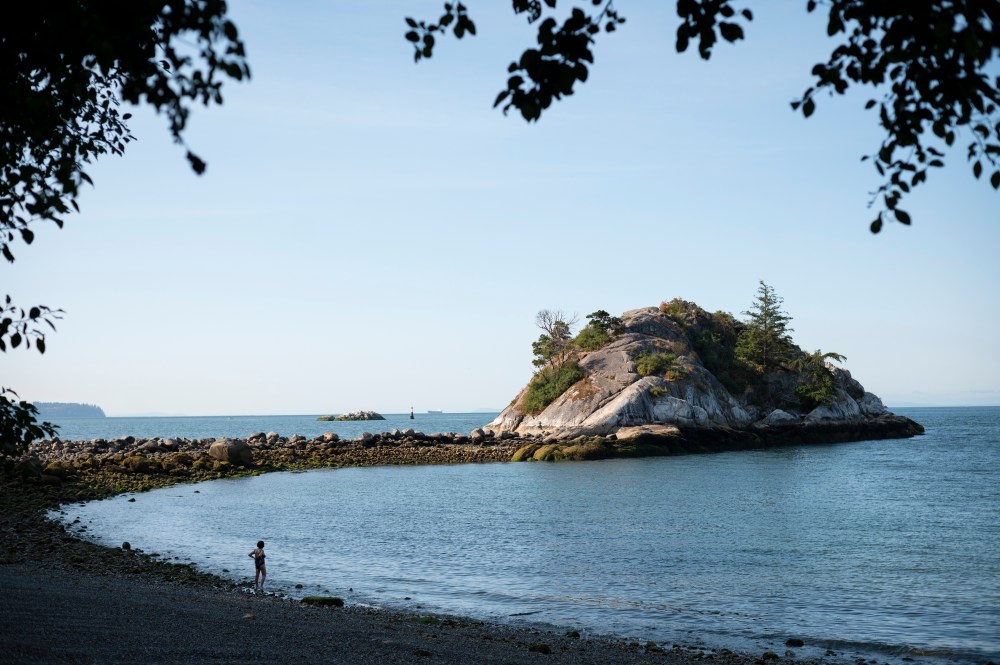
Over the past several days there have been two fatal incidents involving scuba diving off the coast of British Columbia. Last Sunday, at about 1:30 p.m. local time, West Vancouver police received a report of a diver in distress near Whytecliff Park. Despite the prompt response from the Coast Guard, fire and rescue services and paramedics, a 50-year-old man was pronounced dead at the scene. According to a Winnipeg Free Press report, police notified next of kin and said the circumstances of his death do not appear suspicious. (https://www.winnipegfreepress.com/uncategorized/2026/05/25/diver-dies-off-west-vancouver-in-second-b-c-scuba-death-in-days)
This is the second recent diving tragedy in provincial waters. Just a few days earlier, on Wednesday, a diver also died near Gabriola Island on the east coast of Vancouver Island. The 66-year-old man was found in the water without signs of life close to a mooring buoy. The Royal Canadian Mounted Police (RCMP) likewise found no criminal element in that incident.
Scuba diving, despite its appeal and accessibility, carries serious risks. Diving in the cold waters of the Pacific Ocean demands not only excellent physical conditioning and familiarity with equipment, but strict adherence to safety procedures. For those unfamiliar with the region, places like Whytecliff Park are popular with underwater enthusiasts, but currents, water temperature and potential health or equipment issues can be fatal. It is important to note that officials in both cases do not link the divers’ deaths to external causes — these are being treated as accidents, underscoring human fragility and the need for greater caution when participating in the sport. Such incidents highlight the importance of having a buddy, ensuring equipment is in good working order, and honestly assessing one’s condition before diving, even for experienced divers.
Kelowna outpaces Vancouver: Canadian city named one of the world’s top culinary destinations by National Geographic
One of the world’s most respected geography magazines surprised many by shifting focus in its global culinary ranking. According to a new National Geographic list, Kelowna was named the best place for food lovers in Canada — not cosmopolitan Vancouver, which earlier ranked third best food city in the world by Condé Nast Traveller, but relatively modest Kelowna in the scenic Okanagan Valley of British Columbia. The magazine emphasizes that this choice is no accident: late last year Kelowna became the first Canadian city to receive UNESCO Creative City of Gastronomy status. This prestigious recognition honored not only outstanding achievements in local winemaking, but also a unique culinary culture shaped by centuries of Indigenous stewardship of the land and a rich immigrant history.
National Geographic recommends experiencing Kelowna’s culinary wealth via the Bushel cycling route — a 4.8-kilometer trail that passes restaurants and fruit stands against stunning views of the lake and vineyards. Among the route’s highlights the magazine singles out Volcanic Hills Winery, whose story began with an apple orchard established by Sarwan Ghida’s father, who immigrated from East Punjab. Today the Ghida family continues the work, showcasing the region’s varietal range: from fruity Pinot Gris to award-winning Merlot and a rich cherry wine. At Little Straw Vineyards, noted viticulturist Karnail Singh Sidhu carefully preserves the Slamka family legacy, overseeing production of famous full-bodied red blends. At the new Tula restaurant on the winery grounds, chef Bhavna Tandon pays tribute to her Indian roots with dishes such as tandoori salmon smoked on a cedar plank with Okanagan honey and apple vinegar.
Special mention goes to Old Vines at Quails’ Gate Estate Winery, which journalists say offers some of the best views in the valley, and Mission Hill Family Estate with its “soaring bell tower and arched colonnades.” National Geographic urges visitors to try the 2020 vintage of Oculus — a Bordeaux-style blend highly rated by Canadian wine experts — and reminds travelers to stock up on finds: many Okanagan wines are available only locally. The National Geographic list also includes Crete, Buonmethuot in Vietnam, Lucknow in India, the Hawaiian Islands and northern regions of Colombia, underscoring the high level of recognition for a Canadian city that proved culinary charm isn’t always measured by the size of a metropolis.
Black bear attack in Squamish: officers warn of trail dangers
An incident involving a black bear attacking a person occurred in Squamish, British Columbia. As CTV News reports, the victim was injured and conservation officers are strongly urging residents and visitors to avoid certain trails in the area. A black bear — which can weigh from about 40 to 180 kilograms depending on habitat — is a serious threat because these animals, while usually avoiding people, can show aggression when protecting territory or young. Experts note that this attack occurred within a popular recreational area, which makes the situation especially concerning. Although details of the victim’s condition have not been released, the fact of the attack is a stark reminder to exercise caution in the outdoors: do not hike alone, carry bear deterrents such as pepper spray (whose effectiveness can reach 98% when used correctly), and never leave food or garbage on trails. Human–bear conflicts most often arise from bears becoming accustomed to easily accessed food at human sites. Officers urge anyone planning hikes around Squamish to temporarily avoid closed routes and follow official advisories. This is not an isolated case: British Columbia records dozens of bear encounters each year, and recommended responses — don’t run, don’t stare directly, slowly back away while raising your hands — can save lives. It is important to remember that a black bear, unlike a grizzly, can sometimes charge at a person in a sudden encounter, so making noise and calmly retreating remain the primary expert recommendations.