In British Columbia, the nurses’ strike is expanding to Vancouver Island, Metro Vancouver is easing water restrictions to Stage 2 after a key water main repair, and firefighters are investigating a suspicious fire in a multi-unit building on Broadway.
BC nurses’ strike expands to Vancouver Island
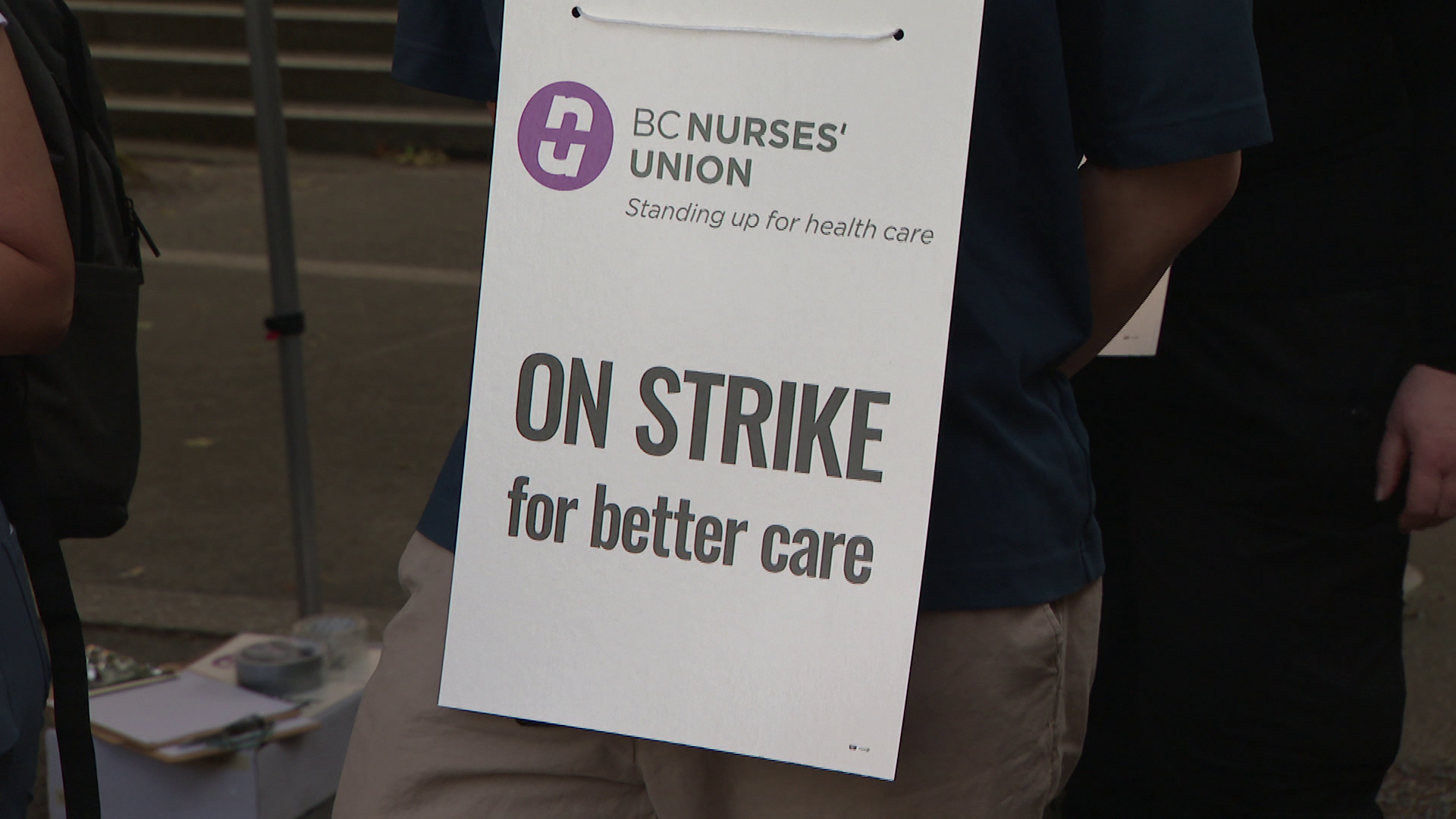
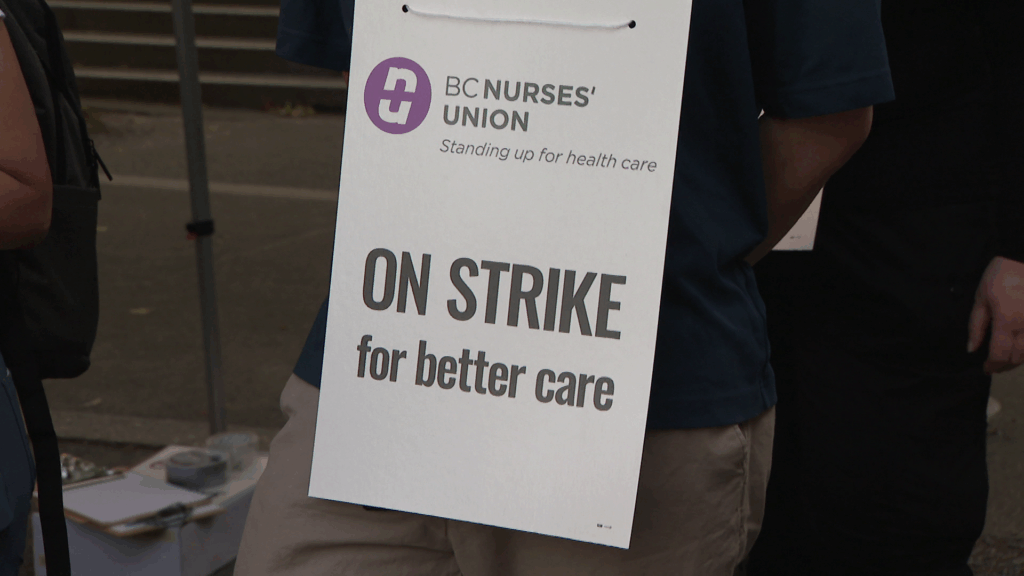
The nurses’ strike in British Columbia, which began July 2, is gaining momentum. While picketing was previously focused on the province’s largest hospitals in Vancouver and Surrey, the protest has now spread to Vancouver Island. On Sunday, picketers took to the streets in Victoria, and starting Monday the strike expanded to Nanaimo Regional Hospital. The escalation comes amid a worsening dispute between the union and employers: the union has already received more than 2,300 complaints about actions taken by hospital management.
In a CityNews Vancouver article, BC Nurses’ Union president Adriana LeGier said the complaints involve intimidation, harassment, and interference with nurses’ lawful right to participate in the strike. “These are formal complaints with allegations of bullying, harassment, intimidation, and also refusing to provide support on duties not related to patient care,” LeGier explained. She added that the union has already filed unfair labour practice applications with the Labour Relations Board.
The provincial government appointed mediators Vince Ready and Amanda Rogers to help facilitate talks, but, according to LeGier, as of Sunday the meetings had still not taken place. That is raising concerns, especially with plans for additional actions on Vancouver Island next week. LeGier noted that the behaviour of Island Health was one factor behind the decision to expand the strike: “There has definitely been very concerning behaviour coming from Island Health, and this is something I’ve heard about.”
In response, Island Health issued a statement emphasizing that nurses are valued members of the health-care system and that it respects workers’ right to collective bargaining. The health authority said it has plans in place to maintain the required level of service at sites where picketing is occurring, and urged residents not to delay seeking medical care because of the labour dispute. On Monday, pickets are set for Nanaimo Hospital, and on Tuesday they will return to Royal Jubilee Hospital in Victoria.
The situation highlights growing tension between nurses and hospital leadership. The key point—more than 2,300 complaints against employers—suggests systemic problems. Nurses say they are being pressured to intimidate them and force them to abandon the strike, while health leadership denies the allegations and stresses that patients will not be affected. But without real negotiations, the conflict could drag on, and expanding the strike’s footprint across Vancouver Island could affect access to health care in the region—particularly if the actions continue.
Metro Vancouver eases water restrictions back to Stage 2 after repair of key water infrastructure
Metro Vancouver residents can breathe a sigh of relief: as of Thursday, the regional district is returning to Stage 2 water restrictions instead of the more stringent Stage 3. The change is due to the commissioning of the critical First Narrows Crossing water main, which supplies drinking water to Vancouver from the North Shore. According to a news release from the regional district, the pipeline was taken out of service back in October of last year to build a bypass during the replacement of a major water main in Stanley Park—a project aimed at replacing a pipe built in the 1930s that had reached the end of its service life.
Now that First Narrows Crossing is back in operation, the strict Stage 3 restrictions— which fully banned lawn watering and sprinkler use—are being relaxed. Under the regional district’s guidance, Stage 2 still prohibits lawn watering but allows the use of hose-sprinklers and soaker hoses for watering landscaping and trees. Residents will also be allowed to wash cars and boats at home, fill pools and hot tubs, and book commercial pressure washing for aesthetic purposes. During Stage 3, the region set a target water consumption level of less than 1.4 billion litres per day, and while peak usage reached 1.37 billion litres, the limit was not exceeded.
Mayor of Burnaby and chair of the regional district Mike Hurley thanked residents and businesses for reducing water use, but cautioned: “Since the forecasts are calling for hot and dry weather, and there is no snowpack that will replenish reservoirs, conservation will remain the key factor in ensuring we have enough water to get through the fall.” That caveat underlines just how serious the situation is: even as restrictions ease, the region will still have to live in a strict conservation mode. Without a snowpack that normally replenishes rivers and reservoirs over the summer, the risk of a shortfall remains high. In his comments to CBC, Hurley said it’s too early to relax—nature hasn’t provided the usual buffer.
Fire on Broadway: suspicious blaze in a multi-unit building
Early Sunday morning, Vancouver fire services were called to a building at 566 West Broadway. The call came in just after 12:30 a.m., and within minutes, crews arrived on scene. As Vancouver Fire and Rescue Services reported, by that point thick smoke was billowing from the roof, and firefighters had to upgrade the call to a “working fire”—meaning the fire required an immediate full deployment of resources. The rear of the building consisted of four apartments on the second floor, and two commercial units were on the first floor. The fire started in what’s known as an “attic pocket”—the space between the upper apartment’s ceiling and the roof, which often becomes a hidden route for flames to spread.
Fortunately, two of the four apartments had people inside at the time, and they managed to leave the building on their own before firefighters arrived. The other residents were not home. It’s also important to note that both the fire alarm and the sprinkler system activated—automatic systems likely helped limit the fire’s growth before crews arrived. Firefighters worked through the night to fully extinguish the blaze, and according to VFRS, no one was injured: neither residents nor the firefighters themselves.
The apartments have now been sealed off so investigators can examine the scene. The city’s fire department has already said the fire is being treated as suspicious and an investigation is underway. For now, it’s unclear whether it was an intentional arson or negligence, but such wording typically indicates that no natural cause (such as an electrical short or a heating malfunction) has been identified at first glance. Fires in attic void spaces are especially dangerous due to hidden spread and high temperatures, and the fast activation of sprinklers likely prevented the building from being completely destroyed. A CityNews Vancouver report notes that the incident occurred in a densely developed area where residential and commercial spaces are mixed—properties like these require enhanced precautions. The results of the investigation will likely affect fire-safety requirements for nearby buildings, particularly if investigators determine the fire was intentional.