News from Canada: a former RCMP officer is on trial for spying for China, Vancouver and Victoria are the worst cities for pollen allergy sufferers, and restaurants are preparing for the 2026 World Cup by training to fight human trafficking.
Former RCMP officer charged with espionage: Chinese police “went missing” in Vancouver
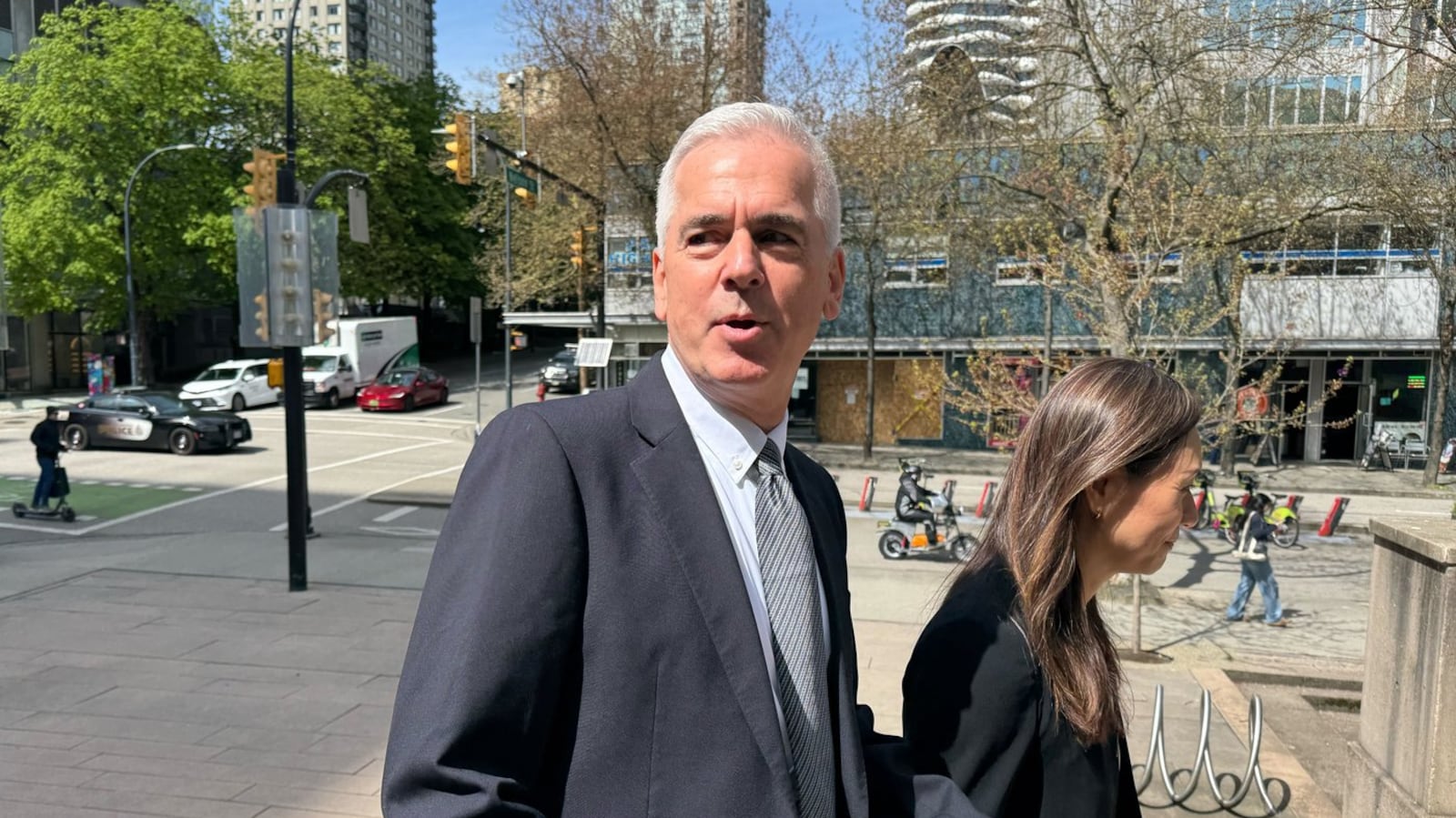
An unusual trial in the British Columbia Supreme Court is shedding light on the darker side of international law enforcement cooperation and raising troubling questions about the activities of foreign security services on Canadian soil. The prosecution of William Majcher, a former officer of the Royal Canadian Mounted Police (RCMP) charged under the Security of Information Act, has revealed an incident that reads more like a spy thriller than routine police work.
Hearings that began on Monday, April 20, 2026, uncovered a striking episode in which Chinese police officers visiting Vancouver as part of an official trip mysteriously went missing for several hours. That fact forms part of the broader allegation against Majcher, who the Crown says used his contacts and experience to assist Chinese authorities. Majcher pleads not guilty. Details emerging in court paint a picture in which the line between lawful cooperation and potential espionage is blurred. The incident with the “missing” officers raises fundamental questions about how Canada monitors the activities of foreign law enforcement on its territory and how vulnerable its security systems may be to external influence.
The Security of Information Act, under which Majcher is being tried, is a Canadian statute that replaced the old Official Secrets Act. It regulates matters related to espionage, sabotage and the protection of sensitive information. A charge under this law is serious and often involves conduct that harms national interests. In this context, the disappearance of the Chinese officers is not merely a protocol breach. As outlined in the case materials published by CTV News, those several hours when the officers were out of sight of their Canadian escorts open the door to speculation about possible unauthorized contacts or information gathering. For security experts, this is a classic red flag suggesting potential covert operations under the cover of an official visit.
William Majcher, at the center of this storm, is no ordinary defendant. His background as an RCMP officer gives him deep knowledge of internal procedures and vulnerabilities within Canadian law enforcement systems. The prosecution appears to be building its case on the theory that he could have used that knowledge to advise or assist Chinese authorities, possibly facilitating their access or actions beyond the stated purposes of the visit. The very fact that such details are being aired in open court underscores the seriousness with which Canadian authorities are treating the matter. It signals both an internal resolve to combat foreign interference and mounting tensions with China on security issues.
The implications of this case go far beyond a single courtroom. It directly affects the fragile trust required for international police cooperation. If official visits can be used to mask covert activity, it calls into question the foundation of such exchanges. For Canada, it is a painful reminder of the need to strengthen oversight and transparency when interacting with law enforcement agencies from countries whose interests may not always align with its own. The case also highlights growing concerns about so-called transnational repression—when states use overseas tools to target dissidents or collect intelligence. Even a short disappearance of officers fits worryingly into that trend. As Majcher maintains his innocence, the trial promises to reveal more about how extensive such operations can be and how effectively Canada can protect its sovereignty and secrets from such intrusion.
Vancouver and Victoria — Canada’s worst cities for tree-pollen allergy sufferers
A new report from Aerobiology Research Laboratories brought grim news for residents of Vancouver and Victoria who suffer from seasonal allergies. According to the study, these two West Coast cities are the worst places in Canada for people allergic to tree pollen. The combination of climate conditions and local flora has created, experts say, a “perfect storm” for allergy sufferers.
As reported in the CBC story, the Ontario-based lab, which operates a network of 30 monitoring stations across the country, notes that Vancouver and Victoria host some of Canada’s most allergenic trees, such as birch and maple. In addition, the region experiences a longer pollen season. Laboratory director Daniel Coates explains this by the mild coastal climate: “Pollen loves warm weather.” He notes that the allergy season in this area started particularly intensely this year and is expected to worsen in the coming weeks. Since January the West Coast has already faced elevated pollen counts, well ahead of other regions of the country where problems typically begin in mid-to-late March.
At the season’s start, the main pollen sources were cedar, elm and alder, which alone can cause strong allergic reactions. But, as Coates explains, even more potent allergens are now appearing in the air: “We’re now seeing birch, which is extremely allergenic, and oak, and they’re mixing with types like cedar that are still present.” This overlay of pollen types amplifies symptoms. Dr. Davidicus Wong, a family physician in Burnaby, is already seeing the effects in his clinic: patients present with common hay fever symptoms — runny nose, watery discharge, itching and swollen eyes. He warns these symptoms may worsen as birch and oak pollen levels rise.
For people with allergies, impacts can range from annoying to serious. Dr. Wong points out that patients with asthma may see worsening symptoms, including wheeze and shortness of breath. “Symptoms can be very debilitating and affect people’s quality of life,” he says. The doctor recommends seeking urgent medical care if usual inhalers do not help, if there is an unrelenting cough, or if shortness of breath occurs during normal activities. Regarding medications, Dr. Wong advises avoiding Benadryl because it can cause drowsiness and impair concentration; instead, use non-sedating antihistamines such as Claritin. Simple over-the-counter remedies like saline nasal rinses can also help. Daniel Coates advises allergy sufferers to avoid outdoor exercise during peak pollen times, keep windows closed, and avoid drying laundry outside on high-pollen days. “If you don’t want to move to the coastal provinces… just change your habits to minimize exposure,” he recommends. Indeed, cities like Charlottetown, St. John’s and Moncton rank among the least problematic places in the country for people allergic to tree pollen.
A key factor worsening the situation is climate change. Aerobiology’s data show that overall pollen levels across Canada have increased over the past 30 years and pollen seasons have become longer. Warmer temperatures lead to earlier season starts, extended growing periods and increased pollen production by plants. Dr. Wong confirms this trend locally: “We’re seeing much longer spring and summer weather than in previous decades. Trees are ‘tricked’ into having a longer season, leafing out and pollinating for those with allergies.” Thus, seasonal allergy problems in Vancouver and Victoria are not merely a short-term nuisance but a long-term trend tied to global climate change, requiring residents to be more aware and to adapt their lifestyles.
Vancouver restaurants receive human-trafficking training ahead of FIFA 2026
Ahead of a major sporting event in Vancouver, an unusual initiative is rolling out to protect the most vulnerable. Restaurants and food-service establishments are receiving specialized training to recognize signs of human trafficking. The measure aims to add a layer of protection during the influx of tens of thousands of fans and tourists attending FIFA World Cup 2026 matches.
The BC Restaurant and Foodservices Association (BCRFA), in partnership with the province’s Human Trafficking Prevention Network, is urging establishments in the Vancouver metro area to attend training sessions. As reported by CityNews Vancouver, the goal is to raise awareness of the crime and, where possible, prevent it. BCRFA CEO Ian Tosteson emphasizes that large international events require heightened vigilance. He says he was initially surprised by the scale of the problem: “I always thought human trafficking was when someone is brought in from another country, but that’s not the case. It happens right here.” This important clarification: human trafficking is not necessarily linked to international movement. It can be domestic and take forms such as sexual exploitation and forced labour, with offenders targeting vulnerable people.
With more than 200,000 workers employed in the province’s restaurant sector, the initiative hopes to turn servers, bartenders and other staff into “eyes and ears” capable of spotting warning signs. However, this seemingly positive campaign has critics. SWAN (Supporting Women’s Alternatives Network), which assists vulnerable women, expresses concerns. Its representative Systal Laderas notes that their community has recorded only a few human-trafficking cases, while anti-trafficking initiatives often harm marginalized groups. She says such campaigns encourage people to watch others in public spaces and call police, which in practice leads to racial profiling and stigmatization of sex workers who may be mistakenly seen as victims. Laderas stresses that supporting survivors of trafficking and preventing sexual violence during events like FIFA are indeed important, but methods must be carefully thought out so as not to harm some groups in the attempt to protect others.
Royal Canadian Mounted Police (RCMP) statistics recorded 43 reports of human trafficking in British Columbia in 2023, while acknowledging that the true number is likely much higher due to victims’ reluctance or inability to contact law enforcement. Thus, the Vancouver initiative highlights the complex dilemma between the need to increase protection during mass events and the risk of unintended negative consequences such as heightened suspicion and discrimination. Training restaurant staff is an attempt to create a network of civic vigilance, but its success will depend on how sensitively and carefully signs of distress are taught so that assistance does not become surveillance and bias.