Rent is continuing to drop across the province, but housing remains expensive. Police are investigating possible arson amid major wildfire activity. BC Hydro is buying a gas power station to improve grid reliability.
Rental in British Columbia keeps getting cheaper, but affordability is still a long way off
British Columbia’s rental market is in a landmark phase: housing prices have been falling for the 25th month in a row, marking the longest streak of price declines in recent years. According to a new report from Rentals.ca and Urbanation, the average asking rent across the province in July fell 4.5 per cent year over year to $2,384. Meanwhile, in Vancouver—traditionally one of the country’s most expensive cities—condominium apartments and purpose-built rental properties saw prices drop by nearly 20 per cent from their August 2023 peak levels.
In an interview with CBC Radio, the province’s housing minister, Christine Boyle, linked the trend to government efforts. She said crackdowns on speculation and limits on short-term rentals have freed up thousands of units for long-term renters. She also pointed to legislative changes that made it easier to build townhomes and multiplexes, particularly near transportation hubs. But economist Brandon Ogmundson, who represents the Real Estate Association for the province, believes local measures alone won’t be enough. He said falling prices are being driven by federal immigration policy, incentives to build purpose-built rental housing, and a noticeable weakness in the condominium market—one that is pushing developers to shift toward rental projects.
The suburbs of Vancouver are especially telling. Abbotsford, Langley, Coquitlam, New Westminster, and Richmond all posted double-digit or near-double-digit declines in asking rates year over year—down between 6.1 and 12.4 per cent. Analysts attribute this to the reality that, with high interest rates, many potential homebuyers have been forced to remain in rentals. At the same time, builders have increased the supply of new homes, creating an oversupply in local markets. David Hutnyk, president of Landlord B.C., said the market is now much more competitive for landlords themselves: to keep good tenants, they have to offer discounts or conditions comparable to market rates, since finding new renters costs more.
Even so, despite the positive momentum, the average rent across the province remains the second-highest in Canada, trailing only Nova Scotia, and is nearly $300 higher than the national figure of $2,037. North Vancouver continues to hold the title of the most expensive municipality in the country, with an average rent of $3,019 per unit. In that context, Christine Boyle acknowledged that the government still has “an enormous amount of work” to make housing truly affordable. She said that even with rental rates falling, renting in British Columbia remains an extreme burden for many families—especially amid a high cost of living—and that the province still has a long road to a more balanced market.
Interestingly, this kind of price decline comes with a paradoxical effect. As CBC explains, official statistics typically take into account leases signed in previous years, while Rentals.ca tracks asking rates for the current month. That means many renters’ actual payments—especially those with long-term contracts—are falling much more slowly than headlines suggest. For new renters, the situation has indeed improved, but for the market as a whole, the gap between “old” and “new” prices is narrowing very cautiously, which observers say could affect decisions about future projects and the region’s investment appeal.
British Columbia police investigate arsons amid catastrophic wildfires
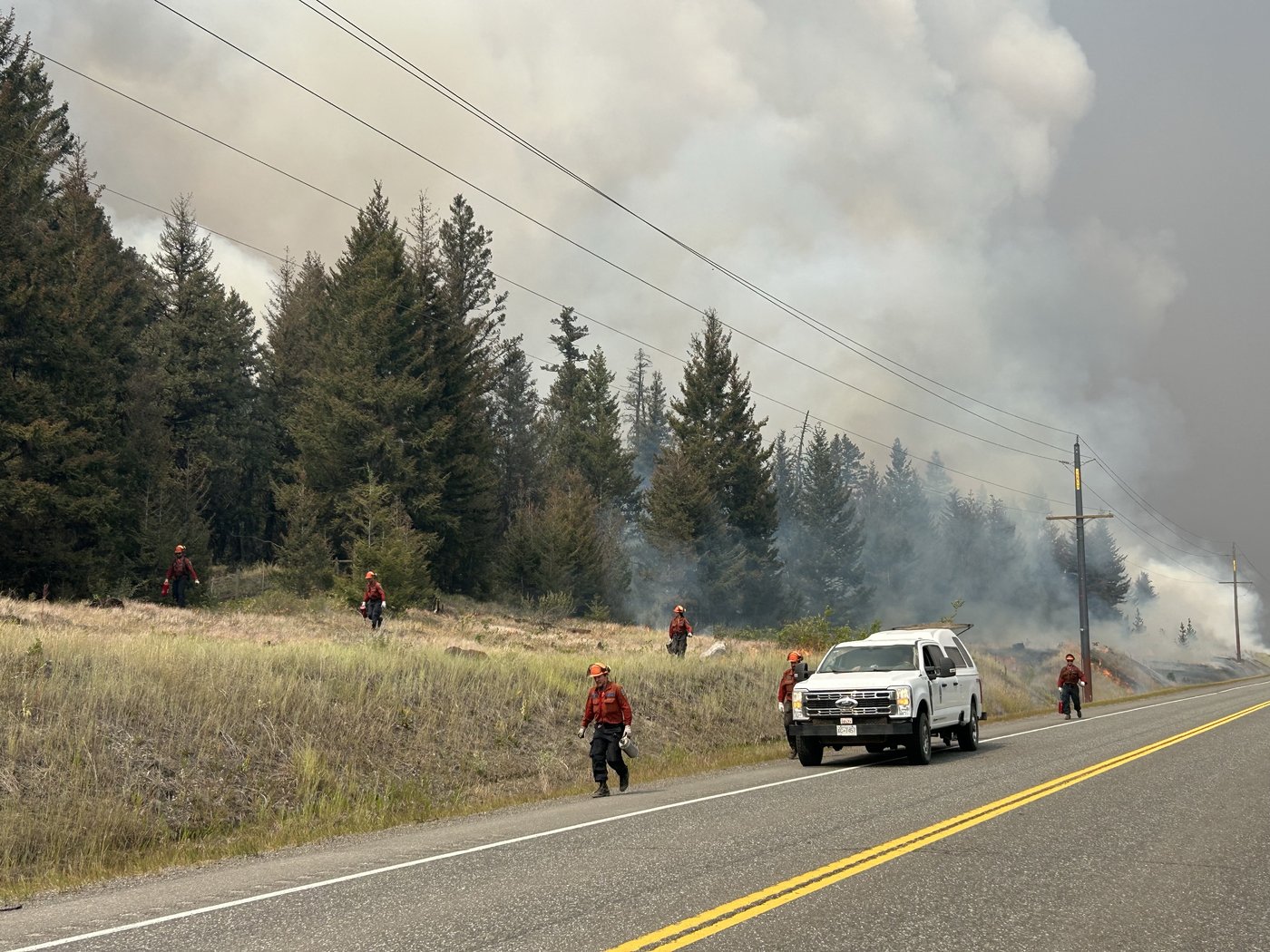
While the south of British Columbia is gripped by unprecedented wildfires that have destroyed hundreds of homes and forced thousands of people to evacuate, provincial police have begun investigating a series of suspicious fires that appear to have been intentionally set. Incidents in the picturesque Shuswap region—known for its lakes and resorts—as well as in the popular Belcarra Regional Park near Metro Vancouver are of particular concern. Local authorities and fire services worry that the actions of whoever is responsible could worsen an already critical situation made worse by extremely dry weather, when even a small spark can quickly become a catastrophe.
According to the Columbia-Shuswap Regional District, officers with the Royal Canadian Mounted Police (RCMP) began checking after residents reported three fires that flared up almost simultaneously in a roadside ditch along Highway 1 between Squilax and Anglemont. Witnesses said the fire sources were roughly 100 metres apart, which immediately raised suspicions of arson. The situation escalated further while firefighters were en route: additional reports came in of two more fires in the nearby Anglemont Estates area. Thankfully, all the blazes were brought under control quickly, but throughout the night, crews carried out tactical patrols in residential areas to prevent any flare-ups and to ensure public safety.
A similarly serious investigation is also underway in a Vancouver suburb. Coquitlam police are asking for witnesses and people who recorded video to come forward with any footage shot at Belcarra Regional Park on Wednesday, since they believe the large fire there sparked the first evacuation alerts this season for the Municipality of Anmore. Investigators want to determine the exact cause and are asking anyone who was in the park between 1 p.m. and 4 p.m. to respond. At the same time, Kelowna police are investigating a series of smaller fires that, based on preliminary information, were intentionally set in a city park in the Black Mountain area near the Gopher Creek Linear Park. Witnesses said the flames appeared very close together, and it was only due to quick action by local residents and park visitors that the fire was put out before official services arrived.
These incidents are unfolding against a backdrop of critical wildfire conditions in the province’s interior, where the recent surge in fire activity is hitting hardest. Of particular concern is an out-of-control fire near the town of Clinton, where new evacuation orders were issued on the night of Thursday. The Squamish-Lillooet Regional District reported that more than 40 additional properties southeast of the massive Pearl Lake wildfire received mandatory orders to leave. Evacuation alerts were also issued for new areas, including around Marble Canyon Park and Pavilion Lake. The Pearl Lake fire itself—covering more than 1,300 square kilometres—continues to burn and remains among the five most dangerous out-of-control wildfires, according to the BC Wildfire Service.
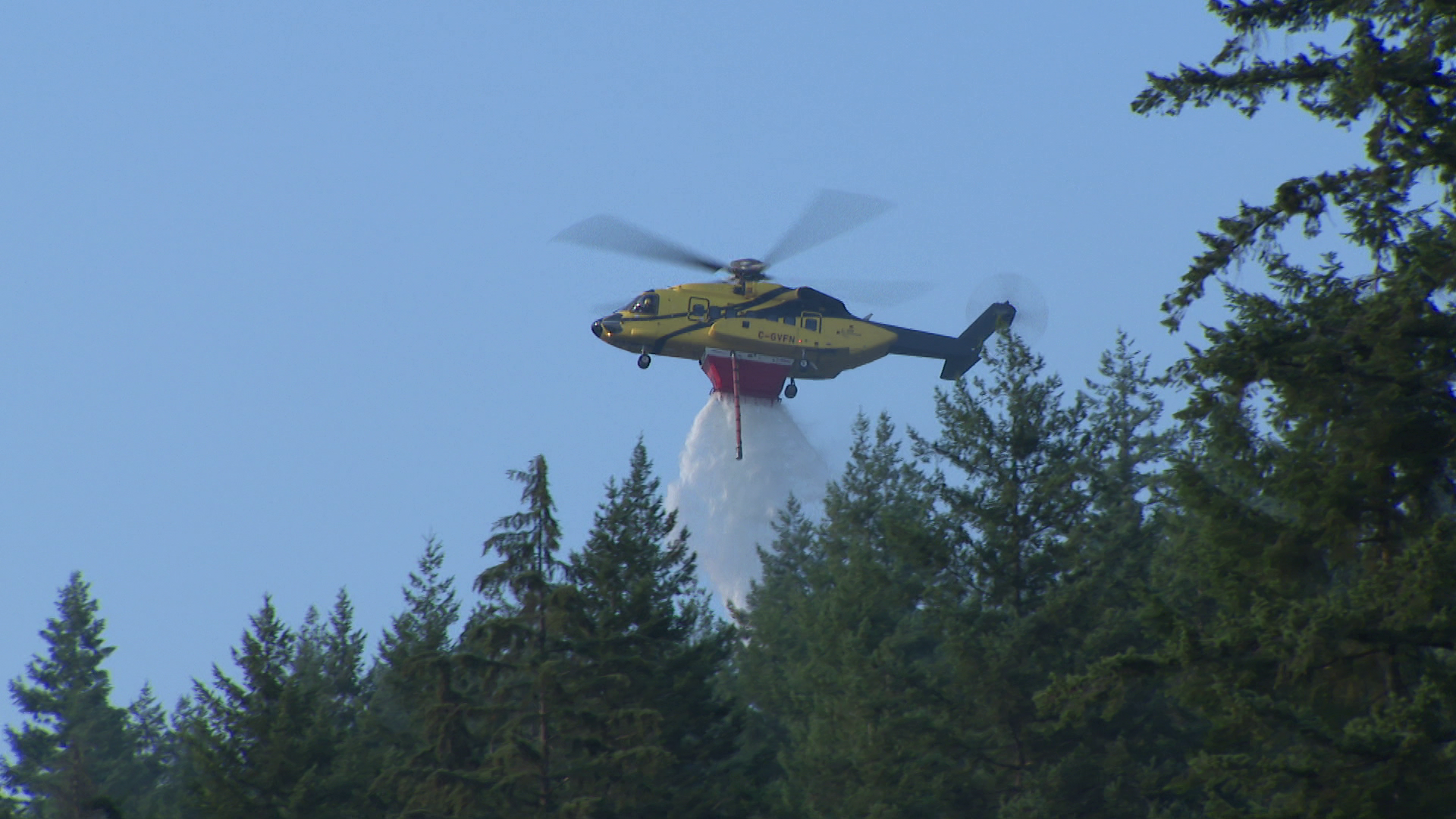
Reinforcements continue to arrive in the province from other regions and countries to fight the blaze. In a statement posted on social media, the Australia-New Zealand National Council for Fire and Emergency Services said 41 firefighters from the two countries have already been sent to British Columbia. At the same time on Thursday, another group of 200 Mexican specialists arrived in the province to help tackle complex fires. There are currently about 100 active wildfires burning in British Columbia, with roughly half classified as out of control. More than 1,400 personnel have been mobilized to fight the flames, working at the limits of their capacity amid extreme heat and dryness.
It’s worth noting that the term “fire of concern” is used by Canadian services to describe blazes that pose a serious threat to the public, infrastructure, or require significant resources to suppress. The situation is made worse by dry weather and strong winds, which create ideal conditions for flames to spread rapidly—making even small fires extremely dangerous. Experts say that under these conditions, intentional arson is not just vandalism, but a real threat to the lives of thousands of people and entire ecosystems. Police are urging everyone to stay vigilant and report any suspicious activity in forested areas, and they also remind the public that intentional arson carries severe criminal penalties in Canada, including up to life imprisonment.
For the first time, suspicions about fires in the Shuswap region and in Belcarra Regional Park were reported by CityNews Vancouver, which continues to track the developments. While firefighters are heroically battling the wildfire conditions, the main task for law enforcement right now is not only gathering evidence into possible arson, but also preventing new incidents that could turn into a real tragedy for the province—once again, for the second year in a row—already dealing with the effects of climate change and abnormal heat.
BC Hydro acquires gas power station on Vancouver Island: a strategic step for energy security
The government of British Columbia announced that the public corporation BC Hydro will purchase the Island Generation power station, located in Campbell River on Vancouver Island. The deal is intended to ensure reliability of the power supply for an island that is growing through population increases, transportation electrification, and expanding industrial development. Notably, the facility being purchased is not new “green” generation. It is a natural gas unit with a capacity of 275 megawatts that has been used very rarely in recent years—only about 15 days per year—as a backup in case of peak demand. Still, authorities view the move as an important part of the broader Powering Growth strategy, aimed at combining energy conservation, upgrades to hydro facilities, building renewable generation, and energy storage systems.
As noted in the official release, purchasing Island Generation will allow BC Hydro to provide stability during moments of maximum demand—such as the coldest days of winter. At the same time, the corporation is investing in new clean capacity, including a newly announced first-on-the-island utility-scale battery energy storage system. The province’s minister of energy and climate solutions, Adrian Dix, said British Columbia’s economy is growing, and more homes, businesses, and industrial sites are choosing clean electricity. He said this asset will provide the backup power needed to support that growth, while the province continues its historic investments in renewable energy and infrastructure.
Campbell River mayor Kermit Dahl called the news an important step for the city and for the entire island, noting that the municipality has long advocated for keeping the station in operation. He said Island Generation plays a critical role not only during peak loads, but also in emergencies, and that having such an asset creates confidence for future industrial investments. Dahl added that it allows clean energy expansion to be paired with practical, reliable support for the system.
A key factor behind the decision was updated consumption forecasts. The latest estimates indicate that British Columbia will need additional capacity sooner than originally expected. Growth in population, the shift to electric vehicles, and new industrial construction are driving the change. Island Generation has been operating since 2002 under a long-term electricity purchase agreement with BC Hydro, so the deal essentially formalizes the existing relationship and ensures long-term access to a strategically important facility. The station also supports 15 jobs in the region, which will remain after the assets transfer under the control of the Crown corporation.
It’s important to understand that British Columbia has one of the most environmentally friendly power systems in North America: about 98% of the electricity generated by BC Hydro comes from clean or renewable sources. However, hydropower depends on weather conditions—especially precipitation levels and snowpack that feed reservoirs. That is why having a gas backup that can be started quickly during periods of peak demand or unusually cold weather is critical for stability. BC Hydro president and CEO Charlotte Meithe said it is the corporation’s responsibility to provide customers with reliable, affordable electricity every day, including during periods of extremely high demand, and that Island Generation will complement the hydro system.
Within the larger strategy, 2025 has already included the commissioning of the Site C hydropower project, which added about 1,100 megawatts of clean capacity to the system. At the same time, BC Hydro is implementing a modernization program for its hydropower fleet, including installing a sixth generator at the Revelstoke station, which should provide an additional more than 1,000 megawatts of capacity. Combined with energy conservation programs, construction of solar and wind projects, and investments in transmission networks, these measures are expected to meet the province’s growing needs for decades. Against that backdrop, the acquisition of Island Generation looks like a practical solution: rather than risking a capacity shortfall during extreme cold snaps, authorities are hedging with a readily available, proven asset that can be retired as new clean capacity fully replaces the functions it provides. Judging by the province’s official government statement, the deal is not a departure from climate goals, but rather a tool for managing a transition period—when older infrastructure must support the power system until major investments in renewable energy are completed.