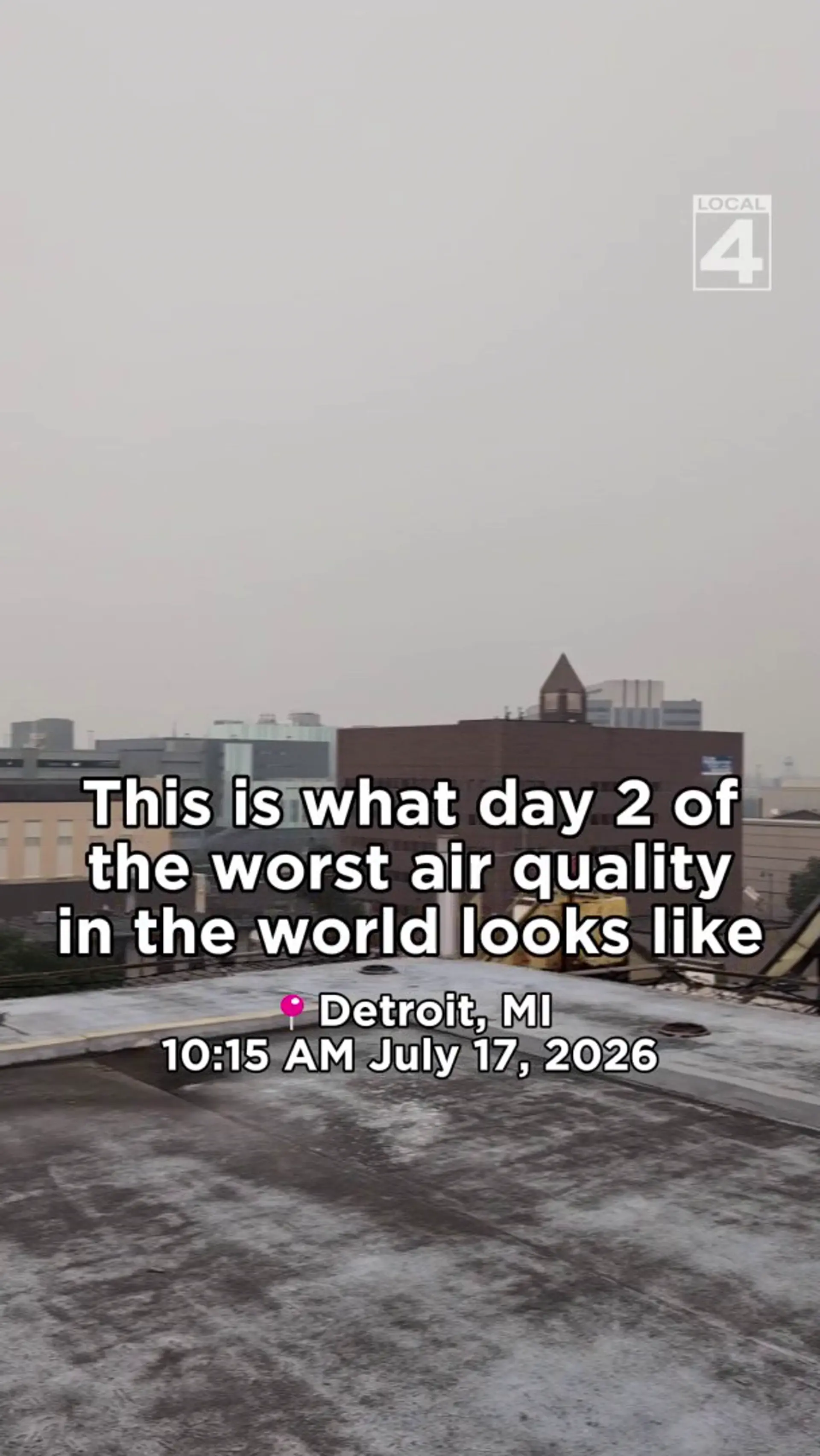
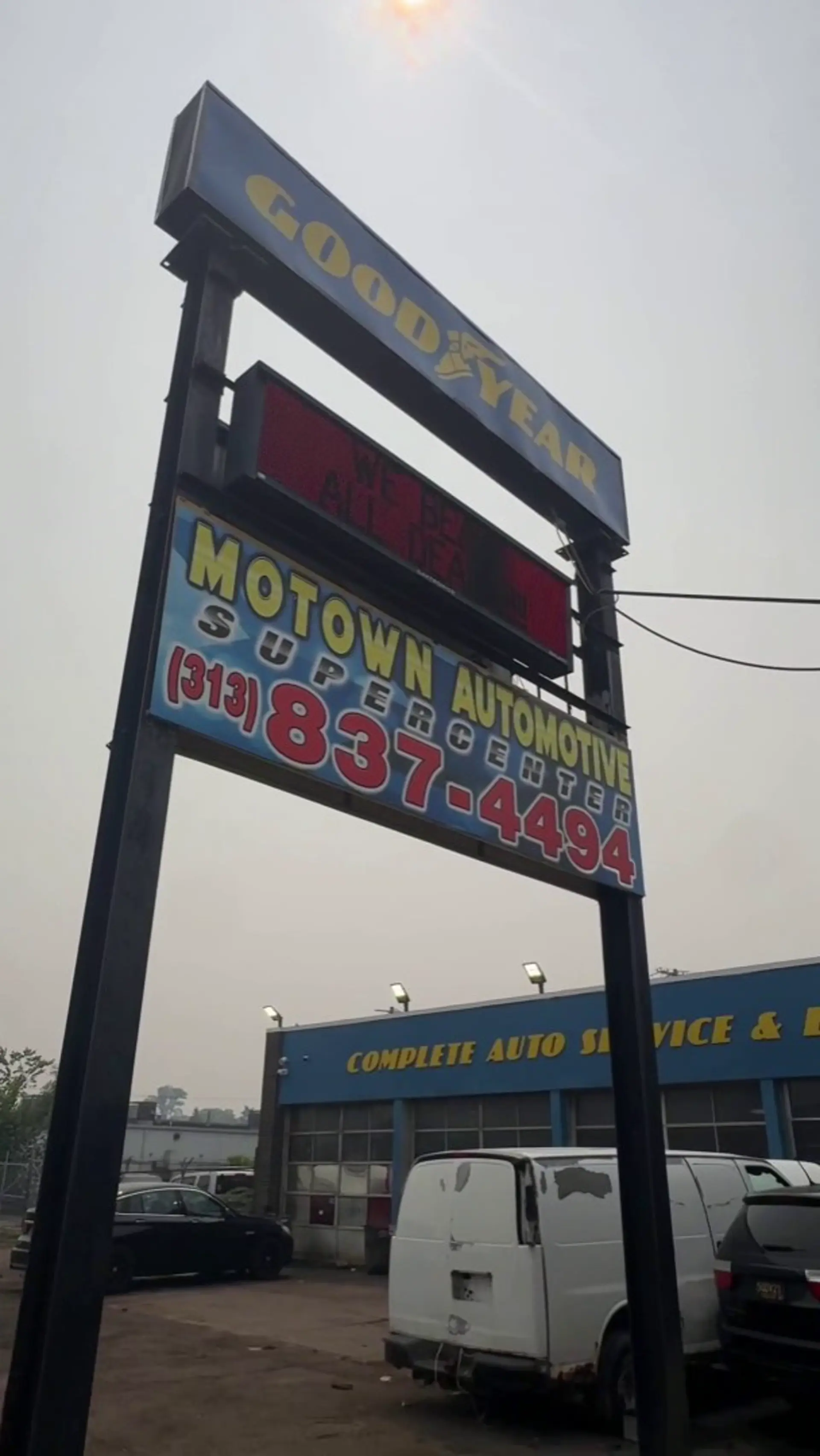
Across three different sources — from Detroit Free Press, ClickOnDetroit and KATV — a single common picture emerges: extreme weather has stopped being a rare, unavoidable event and has become a stress test for cities, infrastructure, and the warning systems themselves. In Michigan, smoke from Canadian and Minnesota wildfires is blanketing Detroit, worsening air quality; in Texas, heavy rains turn rivers into a deadly threat again; and in Arkansas, local outlets are running stories covering everything at once — heat, smoke, floods, and other consequences of climate instability. The meaning of all these reports is straightforward: the question is no longer whether a dangerous weather anomaly will occur, but whether authorities will manage to warn people and get them to act in time.
Texas’ story is the most telling. After last year’s catastrophic flooding in Hill Country, which claimed more than 100 lives, officials promised that mistakes would not be repeated: new sirens, stricter rules for children’s camps, better infrastructure, and faster alerts. And this time, as AP writes in a piece ClickOnDetroit cites, the changes have indeed worked — at least in part. In some areas, the new sirens were sounded at night, and people received phone notifications that hadn’t been sent in 2025. A local resident from Kerrville, Suzanne Sutphin Gschwind, summed up the two episodes very precisely: “Last year, we got no alarms. We had no idea what was going on… This year, very different.” Her line captures the key contrast between the two disaster seasons: it isn’t so much the power of the storm as whether people have information that determines whether they survive.
But this progress should not be overstated. The ClickOnDetroit report also shows the downside: warnings still don’t reach everyone. The National Weather Service sent out dozens of alerts, but federal messages are often too general, and local ones — the most useful for making decisions — don’t make it everywhere. In some places, people learned about rising water from friends or neighbors; in others, they woke up already in a wet house. Kat Sprawls of Batesville said: “There’s no warning system at all. It’s just like the flood in Kerrville last year — we had no warnings.” That’s an important point, because it highlights the gap between the formal existence of a system and its real-world coverage. You can install sirens, enable push notifications, update sheriff’s Facebook pages — but if a person sleeps with do-not-disturb on, if connectivity is unreliable, or if they live in an area where local authorities didn’t send a message, then the “system” remains fragmentary rather than a guarantee.
That is why the theme of layered alerting stands out so clearly in the Texas story. Authorities use several channels at once: sirens, mobile notifications, radio messages, door-to-door outreach, and social media posts. This matters in a rural, sparsely populated region where Flash Flood Alley — the nickname for an area prone to sudden flooding — stretches over long distances and cannot rely on a single communication channel. Even here, though, typical problems still arise: some people “don’t want to leave,” said Comfort Danny Morales, an assistant chief with the volunteer fire department. He acknowledged that the sirens had to be activated twice because people “linger, and not wanting to move.” In other words, the issue is not only about warning people, but also about how the public behaves. Warning alone isn’t enough; you also have to ensure the warning is received as urgent.
It’s especially notable that in Texas, the private sector is becoming involved more and more. After last year’s tragedy, a market for solutions emerged. River Sentry is building siren towers for private properties — campsites, RV parks, hotels. Hononu is developing water-level sensors and a data network. Watch Duty, a well-known wildfire tracking app, has expanded to include flood monitoring. This isn’t just a technological evolution; it’s a sign of a deeper shift: businesses and non-profit platforms are filling the gaps that government is not able to patch in time. In other words, early warning is becoming not only a government function, but a hybrid ecosystem involving municipalities, states, private services, and residents themselves. However, that ecosystem is also imperfect: it requires money, training, subscriptions, registration, technical literacy, and constant updates.
Between the lines of all three sources, another common theme comes through — the normalization of extremity. In Detroit, wildfire smoke is no longer a one-off anomaly, but “the second day in a row” of thick haze, along with an air quality alert that has been extended through Saturday. In Arkansas, KATV places stories about health, heat, smoke, flooding, and local emergencies side by side, as if cataloging a new everyday routine: polluted air, climate risks, and emergency modes have become part of the news backdrop. Even if the specific segments aren’t directly linked, their proximity in the broadcast feed shows that audiences are increasingly living with anxiety on multiple fronts at the same time. People have to respond to smoke, to flooding, and to heat — and also to secondary effects such as transportation disruptions, evacuations, and worsening health.
Against this backdrop, it’s particularly important that in Texas you can already see measurable results of the reforms. Governor Greg Abbott said: “Lives have been saved.” While political phrasing like this always requires caution in interpretation, here it looks plausible: new sirens, early notifications, and more proactive local actions do appear to increase the chances of saving lives. But the main takeaway isn’t that the system is perfect. Rather, it has become less prone to failure. And in the context of Flash Flood Alley, that is a serious achievement. The difference between “no warning” and “the warning came too late” can mean saving dozens of lives. That’s why the Texas experience is now being considered something of a testing ground for other parts of the U.S. where extreme weather is also becoming more frequent.
If you explain the key terms in plain language, Flash Flood Alley is an informal name for a region where sudden flooding happens especially quickly due to terrain, soil conditions, and precipitation patterns. Wireless emergency alerts are automated messages sent to mobile phones by emergency services; their advantage is speed, but the downside is that they are often too general. Flood sirens are street sirens meant to literally wake people up and get them out of the danger zone. CodeRED is a local alerting system through which residents receive phone calls and text messages. An air quality alert is a warning mode about harmful air, usually due to smoke, smog, or high concentrations of pollutants. All these mechanisms work differently, and it’s the combination of them that offers a chance to reduce losses.
The main trend connecting all these materials is that adaptation to climate and weather extremes is moving from theory to practice — but doing so unevenly. Some regions are already rolling out sirens and digital alerts; others still depend on random calls from neighbors. In some places, authorities respond ahead of time; in others, warnings arrive only once the water is already in the house. The second key conclusion is that resilience today isn’t only about levees and pumps, but also about trust in the alert system, residents’ discipline, and a habit of evacuating quickly. Third, the role of local and private solutions will keep growing, because they often cover the operational gaps the government can’t address fast enough.
Ultimately, all three sources are saying the same thing: a modern emergency is not only the force of nature itself, but also the quality of the human response to it. Smoke in Michigan, floodwaters in Texas, and a set of alarming local stories in Arkansas show that climate risk has already become part of the everyday infrastructure of news, politics, and city life. And if earlier the question sounded like “how do we avoid disaster?”, it increasingly sounds different now: “how do we make sure people at least find out about it in time?”