When you read about a wildfire in rural Georgia, the brutal murder of two graduate students in Tampa, and the digital "plundering" of a deceased race car driver's accounts, it feels like entirely different worlds. But look more closely and a common thread runs through these stories: how people and institutions confront catastrophe—natural or human—and what happens in the most vulnerable hours and days afterward. It's not just about destruction and death, but about how protection is organized, how aid is delivered, how solidarity appears—and how, alongside that, abuse, fraud and violence emerge. These narratives show how thin the line is between support and cynicism, between hope and betrayal of trust at moments when people are least able to defend themselves.
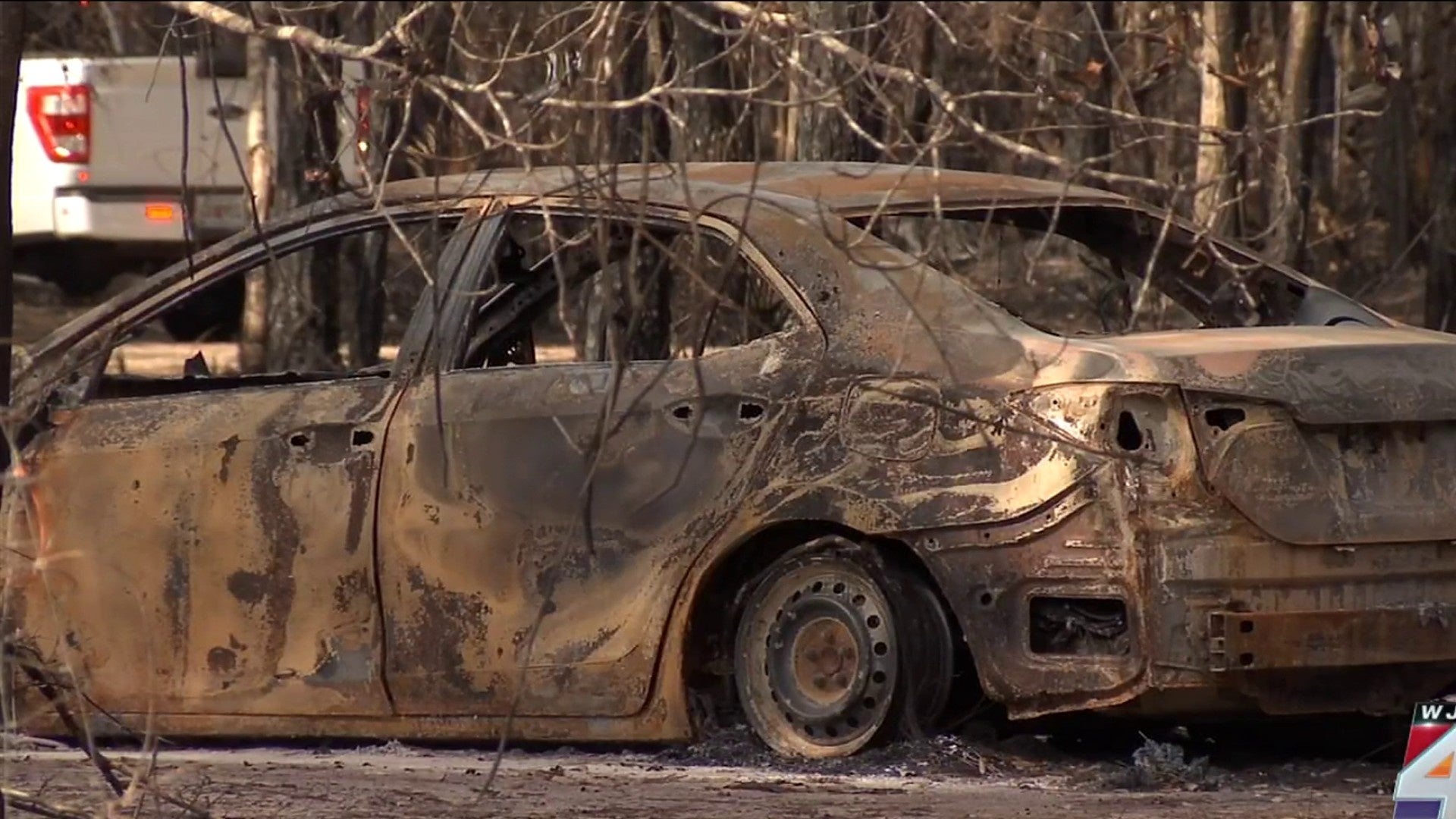
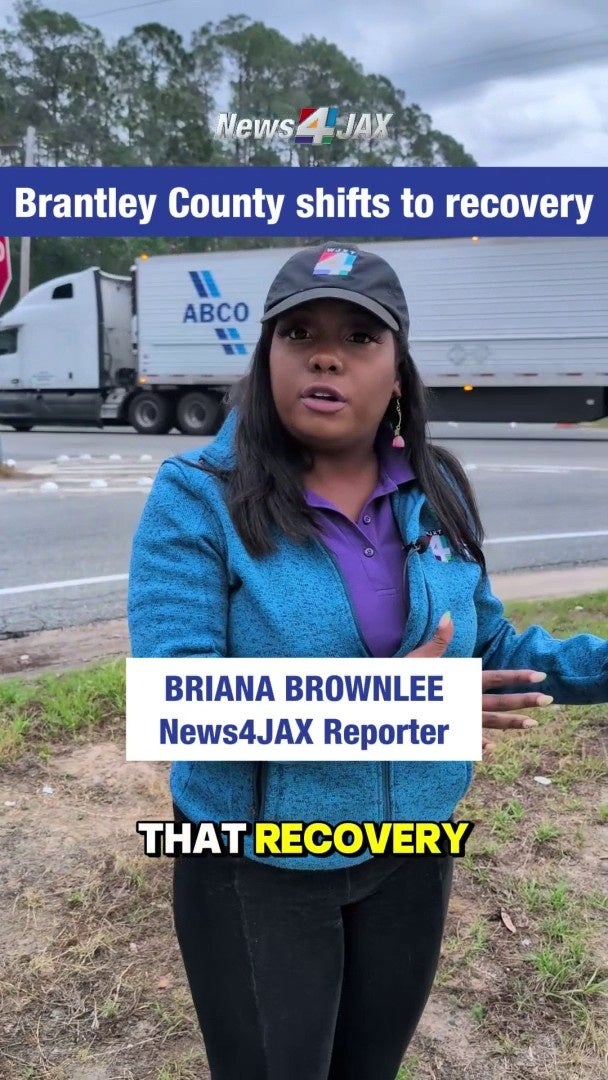
In East‑South Georgia, Brantley County residents had only begun returning home when a new flare‑up ignited along Highway 82 at Hawthorn Road. Reporters from News4JAX drove past minutes after the fire started: several firefighting units had already brought it under control. This short, "flash" ignition is a perfect illustration of what a protracted disaster looks like: the main fire is described as "45% contained," the weather has become more favorable, but the fight is far from over, and people who had barely returned are again living on edge.
The fire reportedly began on April 20 from what seemed a trivial accident: a foil balloon was blown onto a power line, causing an electrical discharge that ignited the dry ground. In eleven days, the blaze known as the Highway 82 Fire burned more than 22,500 acres—about 35 square miles. Authorities say at least 90 homes and businesses and roughly 55 small structures in the Atkinson and Waynesville communities were destroyed, but there are no reported fatalities or injuries. It's a rare case where human mobilization and timely evacuations saved lives, even if they could not save property and the usual way of life.
These situations reveal the nonobvious logic of aid systems. The Brantley County sheriff directly asks returning residents not to rush to act on the "natural" impulse to clear away burned items or otherwise tidy up. This is not official callousness but a matter of procedure: if victims alter the scene before inspectors complete damage assessments, it can distort official documentation and effectively reduce their chances of receiving financial aid and recovery support. In a bureaucratically organized disaster system, assistance depends on precise inspection records that document the extent of losses. Paradoxically, if a disaster victim moves too quickly to "save what's left," they risk receiving less help.
In response to the fire, officials and community organizations are deploying an entire support infrastructure. Authorities open a free debris and trash drop‑off site—but only after assessments are complete. On Saturday residents can visit Atkinson Elementary, where, as News4JAX notes, representatives from the Georgia Emergency Management Agency, the Red Cross, the state insurance commissioner's office and local services are on hand to answer questions about insurance, schooling, and current benefits. Free shuttle service from several points along Highway 82 and Post Road is provided for those without transportation—another element of the disaster's "social logistics" that is usually only remembered once disaster strikes.
At the same time residents describe what they saw in emotional terms far removed from administrative phrasing. One local, Danielle Surprenant, tells reporters: "It's a heartbreak. It's devastation. You go into some areas—and it looks like a war zone... like the apocalypse." Behind the dry number "90 homes" lies the personal tragedy of each family and the feeling that the familiar world vanished in hours.
It's important to understand fire dynamics, which explain why even welcome rain does not necessarily mean the end of a blaze. Officials expect showers and thunderstorms that aid suppression: increased moisture in grass and leaves slows spread and reduces intensity, making it easier to reinforce containment lines and "mop up" smoldering areas. But experts emphasize that a large fire cannot simply be "washed away" by rain. Large woody debris—stumps, trunks, roots—and deep organic soil layers can retain heat for a long time, even after heavy rain. Moreover, precipitation complicates operations: it can hide hot spots from drones and infrared planes, temporarily reduce visible smoke and create the illusion of full extinguishment while leaving hot spots below the surface. Slick dirt roads and collapsing ditch banks hamper firefighters' movement. This is an important example of how the naive notion "it rained, so it's over" conflicts with the reality in which specialists follow complex, calibrated protocols.
Other threats arise around the fire. The county remains under a nighttime curfew, and there is a complete ban on open burning in South Georgia—a preventative measure meant to keep new ignitions from starting. Roads are closed, evacuation zones are reconfigured, and special placards are issued for returning residents—only for residents, not businesses. This is also part of managing vulnerability: by restricting access to impacted areas, authorities try to protect people from new risks and preserve property that could become a target for looting if oversight weakens.
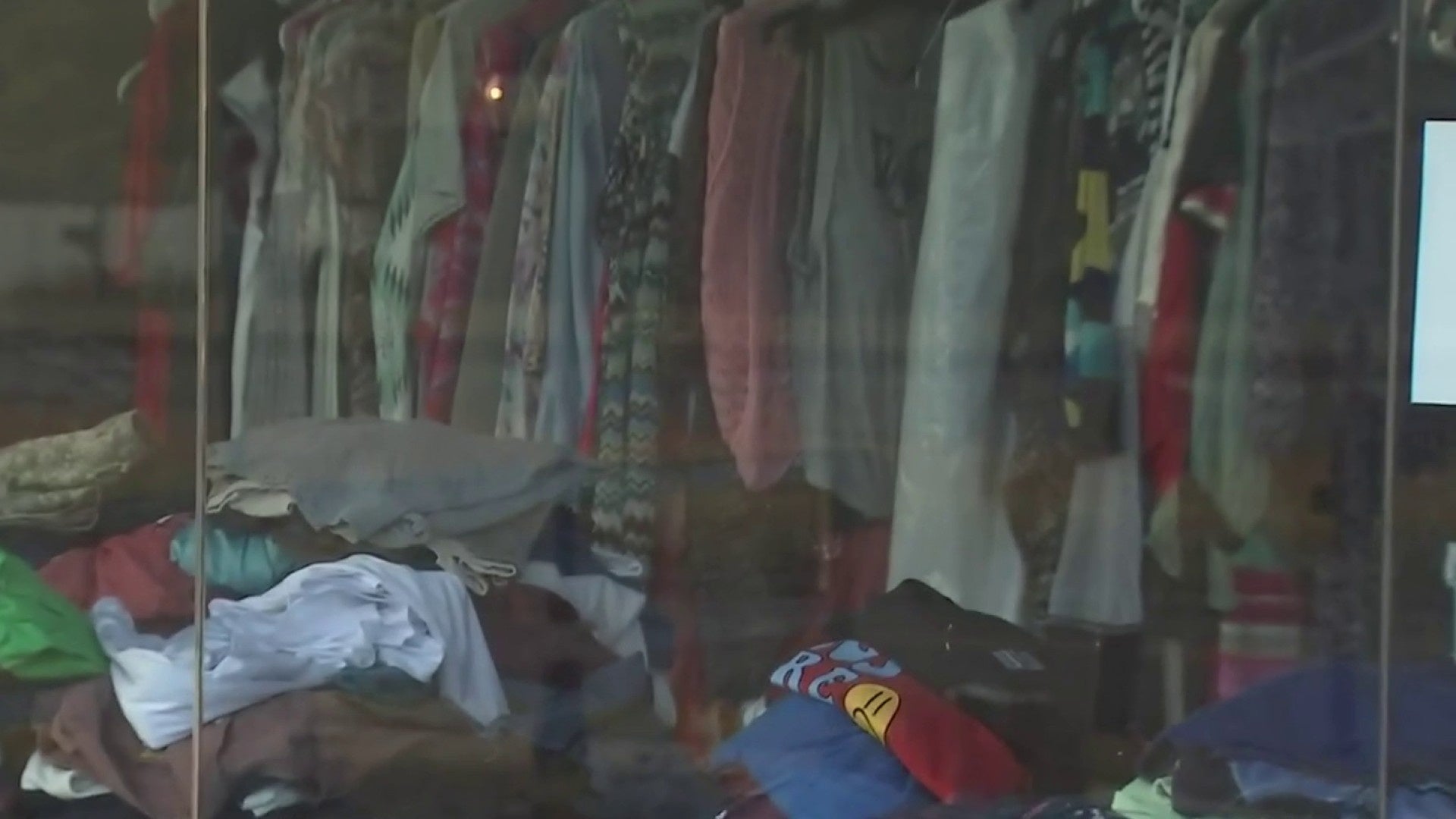
A humanitarian network forms around the disaster. The News4JAX piece lists shelters organized with the Red Cross, including a 24/7 site at Selden Park in Brunswick with a climate‑controlled mobile unit for dogs and cats in crates. For large animals the Department of Agriculture posts on its Facebook page locations where livestock and horses can be boarded. Local churches operate as day shelters. Donation drop‑off points—from Brantley Gas to H&S Haulers warehouse and the Brantley County Family Connections office—demonstrate a familiar small‑town American mutual aid pattern: clothing, hygiene kits, containers, food and pet supplies. The sheriff emphasizes that all donations will now be routed through a single organization "to ensure safe and efficient management." This is a direct response to known risks: mass charitable efforts almost inevitably attract fraudsters and ineffective drives, so controlling flows of aid becomes as important as the impulse to give.
One element of modern disaster response is digital tools. Authorities opened a dedicated Facebook page for fire updates and an interactive map of the Highway 82 Fire; the state Department of Transportation and highway patrol monitor smoke and haze to quickly close roads if visibility worsens. Residents are also directed to air quality resources like AirNow and urged to pay special attention to the health of vulnerable groups: people with asthma, COPD (chronic obstructive pulmonary disease), heart conditions, the elderly and children. Again, the same theme runs through it: in disaster, the most defenseless are those already constrained by health, finances or access to information.
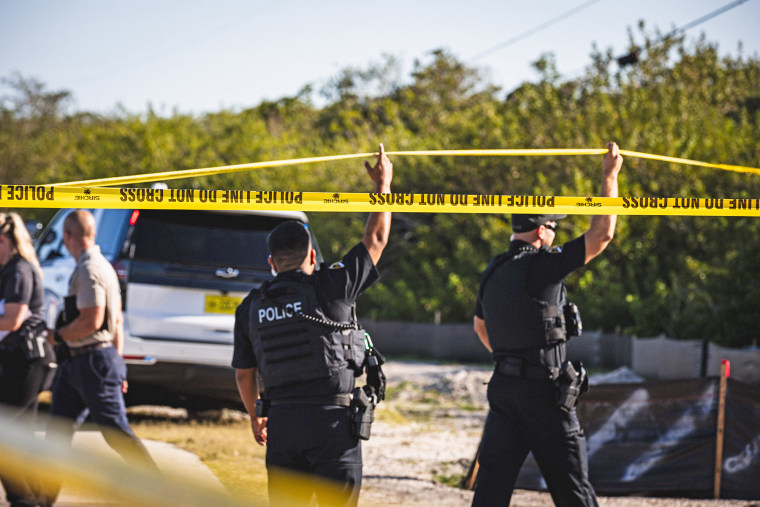
That theme of vulnerability appears even more tragically in the case of the deaths of two University of South Florida graduate students—Nahida Bristy and Zamil Limon. An NBC News investigation reports their remains were found in late April: Limon's body in a black trash bag along the shoulder near the Howard Frankland Bridge in Tampa, and Bristy in a bag among mangroves—found by an angler whose snagged line and "indescribable smell" led him there. The Hillsborough County sheriff said at a press conference that the bodies were identified via DNA, dental records and clothing that matched what was seen on the last video footage, and officials are now working to return the bodies to their families in Bangladesh according to religious customs.
These details go beyond procedure: in Islam, to which both students belonged, burial should be prompt and ritually appropriate, and prolonged storage in a morgue is seen as extra suffering. University President Moez Limayem issued a statement saying confirmation of Nahida's death brings "indescribable sorrow," noting both were "model students, building lives and community" on campus, and the student government is organizing a vigil in their memory. The Bangladeshi student association has launched a GoFundMe to assist the families with expenses related to losing their children far from home. In this way, the academic community tries to absorb part of the blow felt by families and the diaspora.
Police have charged Limon's roommate, 26‑year‑old Hisham Abugarbie, according to officials. Investigators say that on the day the two disappeared he drove them from Tampa to Clearwater, initially denied it, but under pressure from geolocation data (Limon's phone and Abugarbie's car were in the same area) admitted dropping them off near Clearwater. That same night, NBC News reports, he purchased trash bags, Lysol wipes and a Febreze air freshener and later discarded several items including Bristy's pink phone case. The next day his vehicle was recorded near the Howard Frankland Bridge, where Limon's remains were later found. A roommate says on April 17 he saw Abugarbie take boxes to a compactor behind the complex; among discarded items were Limon's student ID and bank cards, and Nahida's DNA was found on a kitchen mat. Police arrested Abugarbie and charged him not only with two counts of first‑degree murder but also with hiding bodies in unauthorized locations, failing to report a death, battery, unlawful restraint and destruction of evidence.
A particularly notable detail is prosecutors' mention that three days before the couple vanished, Abugarbie asked ChatGPT how to "put someone in a trash container." At first glance this reads like a line from a crime thriller, but in reality it serves several purposes. First, it is additional evidence of intent and planning—he had previously sought information on body disposal. Second, it opens a cascade of consequences for the tech company itself: the Florida attorney general has announced an expanded investigation into OpenAI (the developer of ChatGPT), already launched after the Florida State University shooting, now adding the double‑murder episode. Legally, this is an attempt to determine whether an AI provider bears any responsibility when its product may be used in planning crimes and how such services should be regulated.
There's a subtle point often missed by the public: chatbots like ChatGPT do not "know" what's happening in the real world, they don't see who is writing, and they cannot initiate a crime. But by answering queries they can effectively structure someone else's intentions, suggest easier methods, or provide ways to hide traces. The legal debate today is less about whether an algorithm is "guilty" of a crime and more about what duties companies owe to filter dangerous requests and how effective those filters are. The fact that such a query was logged and included in the indictment shows that digital traces are becoming increasingly significant in criminal cases.
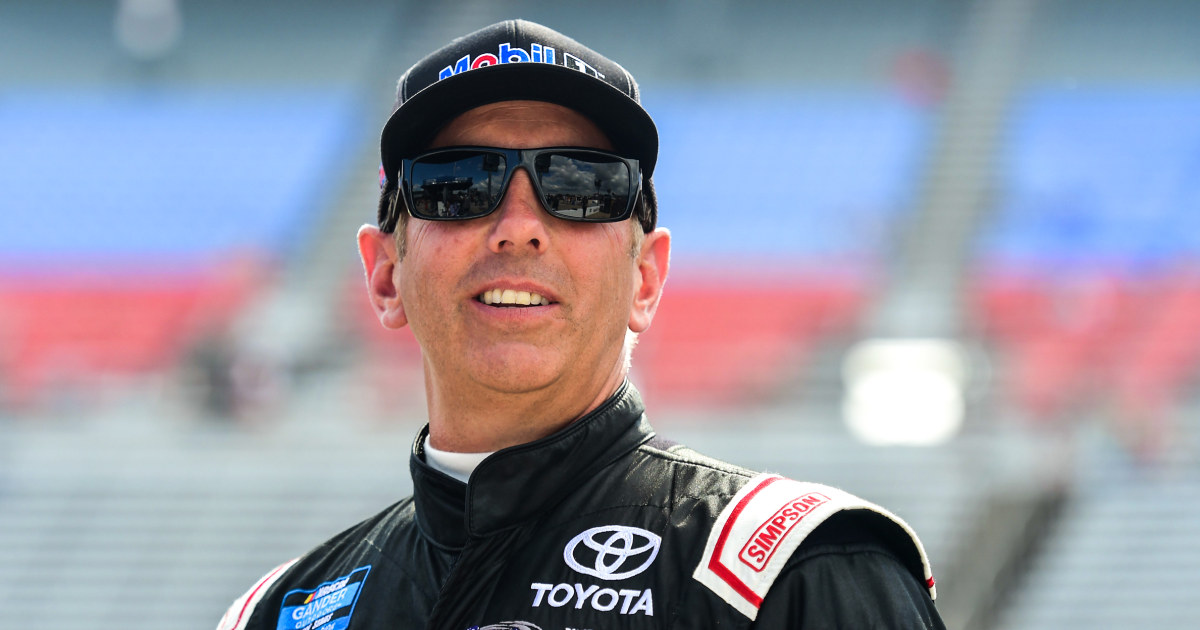
The theme of digital vulnerability is also starkly revealed in another NBC News story—about the posthumous "looting" of accounts belonging to well‑known NASCAR driver Greg Biffle. Biffle, his wife and children died on December 18 last year in the crash of a Cessna C550 near Statesville Airport in North Carolina. Almost immediately after the tragedy, according to a search warrant, a series of fraudulent activities began: unknown individuals accessed bank accounts, Venmo and PayPal accounts and other financial services in Greg and Kristina Biffle's names, changed linked phone numbers and email addresses, transferred money to outside accounts and made purchases. Detective Charles Davidson from the Iredell County sheriff's office describes it in a court filing as "multiple fraudulent activities."
Investigators believe a key event occurred during a break‑in at the Biffles' home the night of January 7–8: surveillance footage captured a woman who spent nearly six hours in the house and left with several bags. The detective asserts that during that intrusion personal information was stolen, enabling subsequent changes to the couple's digital accounts. Moreover, investigators say the woman and her husband were friends of the family. Police are seeking a search warrant for property in Mooresville linked to the pair, but as of NBC News's reporting no arrests had been made.
This account of alleged friends exploiting personal closeness to obtain passwords and financial data shortly after a family's death painfully echoes the Abugarbie case, where prosecutors claim a neighbor entrapped his own friends. In both instances, tragedy becomes not only the backdrop to crime but a "window of opportunity": first disaster dislodges people from normal systems of control, confuses communications and creates chaos, then opportunists step in to profit or commit violence.
The Biffle plane crash spawns another conflict type: litigation among the victims' heirs. As NBC News reports, representatives of heirs of two other victims on board—Dennis Dutton and his son Jack—filed wrongful death suits against Biffle's estate seeking $15 million each. The formal logic is this: Biffle owned the aircraft through GB Aviation Leasing and thus bore obligations for reasonable upkeep and maintenance. Although the National Transportation Safety Board (NTSB) has not yet issued a final report or identified a specific human error, plaintiffs allege various potential maintenance and operational breaches. Notably, the pilot at the controls during the crash was Dennis Dutton, a retired Delta pilot, and his son Jack was also licensed; yet legal responsibility is being sought from the plane's owner, the party who made basic decisions about the aircraft's condition.
Legally this reflects a well‑known aviation principle: responsibility for airworthiness and maintenance can fall not only on the pilot but also on the owner, especially when the owner operates the aircraft through a separate company and manages the asset. On a human level, it brings us back to the question: where does fate end and negligence begin? Until the NTSB report is published, any claims about maintenance remain speculative, but suits are filed early because statutes of limitation and strategic interests push lawyers to act before final technical conclusions are released. This is another facet of how disaster triggers a cascade of procedures—from criminal investigations to civil suits—where relatives' emotions intertwine with legal calculation.
Putting these stories together reveals several key trends and conclusions.
First, every catastrophe—whether a wildfire, an aircraft crash or a violent death—almost instantly generates a complex response infrastructure. In Brantley County this is a curfew, road checkpoints, entry placards, centralized donation collection, schools serving as consultation centers, shelters for people and animals and constant social media updates. In the Bristy and Limon case it is interjurisdictional police cooperation, DNA analysis, tracking digital traces, and university administration and student group responses. In the Biffle case it's parallel work by criminal investigators, NTSB experts and civil lawyers. Modern society operates in a logic where any major tragedy immediately fragments into numerous processes: humanitarian, criminal, civil‑legal, technological and media‑communication.
Second, in all three stories the growing role of digital traces and technologies is evident. Facebook pages and interactive maps inform residents about the fire; AirNow monitors air quality; phone and vehicle geolocation data figure in the Abugarbie case; ChatGPT search queries form part of the evidence; hacked online accounts appear in the Biffle story. The digital environment both helps and complicates matters: it eases coordination of aid while making people more vulnerable to cyberfraud, provides powerful investigative tools and raises new legal questions about tech company responsibility.
Third, each case exposes the same idea: in disaster people become maximally dependent on the honesty and professionalism of others. Brantley residents depend on truthful assessors to document damage; families in Bangladesh depend on police and university officials to respectfully return bodies and offer financial support; the Biffles' heirs depend on an honest, transparent investigation of the crash and the posthumous digital looting. Against this backdrop, episodes of abuse of trust—friends ransacking a deceased family's home, a neighbor accused of murder, fake donation drives warned about in the News4JAX donation piece—are felt especially acutely.
Finally, these stories show that society is gradually learning to live with constant risk: advance bans on open burning in dry regions, shelter networks, standardized procedures for issuing entry placards and damage assessments; university protocols to support international students and their families; law enforcement learning to rapidly analyze large digital datasets; regulators trying to set rules for AI services. Yet at every stage human factors remain—the space for heroism, error, greed or compassion.
One could say the common narrative running through all three sources is a struggle for control over the future at the moment it seems wholly ruined. For some, that struggle takes the form of efforts to extinguish fire smoldering underground and slowly get children back to school; for others, it is the quest for justice for murdered students or crash victims; for some, sadly, it is an attempt to profit from another's misfortune. Which institutions—fire departments, police, courts, universities, tech companies—prove strongest will determine not only individual fates but how well protected we all are when the next inevitable catastrophe arrives.