If you look at these three pieces together, one unexpected common theme comes into focus: the resilience of institutions and the environment we live in is being tested on multiple levels at once. Somewhere it’s a university forced to cut spending and change leadership; somewhere it’s a city center where a sudden blast shatters the familiar sense of safety; somewhere it’s the western United States, facing extreme heat and a growing risk of wildfires. The three stories are different in their details, but they clearly show how systems respond to stress: through personnel reshuffles, through emergency measures, and through attempts to adapt to new, harsher conditions.
Most obviously, this logic is on display in the story of Evangel University. The university president, Mike Rakes, announced he would step down, and the board of trustees accepted his resignation. Rakes himself described his departure as the end of a life chapter: “Serving as president of Evangel University has been one of the greatest honors of my life,” he said, adding that with his wife he is entering a “next chapter” with gratitude for the path they’ve taken. For the university, this is not just a personal change of seats. The resignation comes a month after Evangel confirmed a plan to cut 40 positions to reduce operating costs by $10 million. In other words, this isn’t a calm handover of power—it’s a personnel decision under financial pressure.
At the same time, leadership is formally trying to signal that the crisis is under control. Michael Colstad will serve as interim president; he has long worked at Evangel and previously held the roles of executive vice president and chief of staff. The board emphasizes that the mission remains unchanged: “core mission, biblical foundation and academic commitment remain unchanged.” This detail matters: when an organization goes through layoffs and a leadership change, it first tries to preserve its identity level. In a religious education setting, that kind of rhetoric is especially significant, because students, parents and donors’ trust depends not only on financial stability, but also on a sense of continuity. At the same time, the numbers show that the crisis isn’t just about waning interest. In the fall, Evangel had 2,741 students—4.6% more than the year before. So the university is not in an obvious collapse, yet it still has to cut. That makes the situation especially revealing: enrollment growth doesn’t guarantee financial comfort if the cost of the institution remains high and inflation, salaries, and other expenses strain the budget. Evangel’s story is about how even an institute with a clear mission and steady demand can end up in a mode of hard cost-cutting.
A different type of fragility is demonstrated by a report from Moscow. An explosion near a café on Kudrinskaya Square killed at least three people and injured more than fifteen. Early local reports suggested a gas cylinder, but later the National Anti-Terrorism Committee said the cause was a homemade explosive device. According to the committee, among the dead were a security guard who was trying to stop a woman suspected of attempting to bring the device into a restaurant, the woman herself, and a visitor. These details have not yet been independently confirmed, but even at the level of the official version you can see how quickly familiar urban space turns into an emergency zone.
Here, it’s especially important not only the tragedy itself, but also the mechanism of response by authorities and services. The area was cordoned off, police, firefighters, and emergency services arrived on the scene, traffic was temporarily restricted, and entrances to the Barrikadnaya metro station were closed. In other words, the city’s infrastructure worked like a risk-localization system: block, isolate, check, and prevent any further spread of the threat. In news like this, there’s almost always a double reality. On one side is everyday life: a summer terrace, a restaurant, the capital’s city center, perhaps even a birthday celebration. On the other is the instant intrusion of violence that breaks the familiar sense of urban safety. Even if the details of the incident are still being clarified, the very nature of the event shows how vulnerable public spaces are—places where leisure, transportation, and dense crowds overlap.
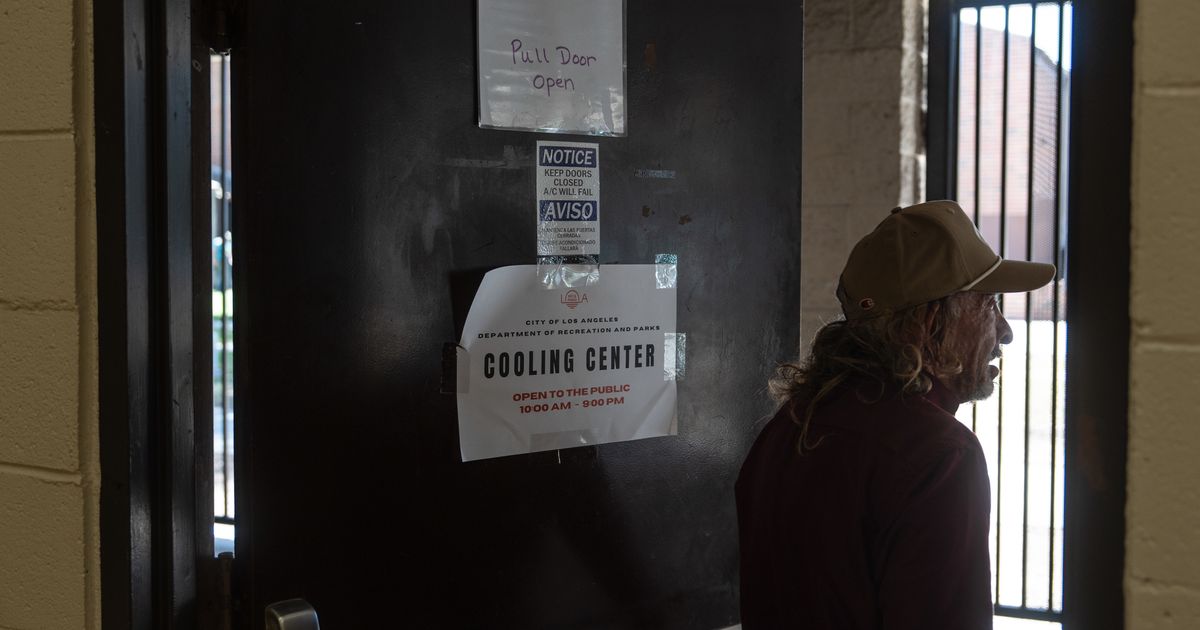
If the Moscow news story points to a sudden, targeted risk, the piece about heat in the western part of the United States is about a risk that is slow but systemic. It’s about a heat wave covering vast areas from Arizona to Montana, where a so-called heat dome has settled in—an atmospheric situation in which a high-pressure area traps heat near the ground, preventing air from circulating properly and cooling down. As a result, temperatures are breaking records: Las Vegas is expecting 115 degrees Fahrenheit, Phoenix 116, El Centro in California up to 118, and even in Montana, historic highs are possible. The most dangerous part isn’t just the daytime scorching heat, but nighttime temperatures too: in Las Vegas they don’t fall below the upper 80s and low 90s Fahrenheit—meaning the body has almost no chance to recover. Weather forecaster Morgan Stessman puts it bluntly: “There’s just no relief overnight.”
This storyline is especially important because the heat here is not merely an inconvenience—it amplifies all the other threats. Drought and dry, desiccated soils make fires more likely and more aggressive. In Montana, wildfires are already burning, and the expectation of strong winds can only make things worse; in Nevada, humidity in places drops to single digits; in the U.S. northwest, extreme heat and drought create dangerous conditions for fire. In Washington, Governor Bob Ferguson declared a state of emergency after high temperatures and wind worsened record-breaking wildfires, and he banned most forms of outdoor and agricultural burning through the end of September. This is no longer just a weather update—it’s part of state-level risk management. When a climate anomaly begins to affect everyday life, authorities shift from observing to restricting how people behave.
What links the three materials is that in every case they’re about the cost of instability and attempts to preserve controllability. The university keeps its mission through cuts and interim leadership; after the blast, the city tries to localize the threat and regain control; western states impose warning and restriction regimes to prevent the further spread of wildfires. But there’s also a deeper takeaway: crises now rarely come in isolation. Financial pressure on educational institutions, urban safety risks, and climate extremes are not three random news items—they are three manifestations of a broader era in which organizations and society must operate amid heightened uncertainty.
It’s particularly telling that the heat story directly ties climate change to the growing frequency of extreme heat waves and fires. That framing matters: such events can no longer be viewed as separate “bad seasons.” They are becoming part of a new normal, where even a brief weather anomaly can worsen water shortages, affect people’s health, overload services, and intensify fire danger. Meanwhile, the Evangel story shows that institutional resilience isn’t measured only by student numbers or reputation: it depends on the ability to withstand economic pressure without losing its identity. And the Moscow blast serves as a reminder that even in the center of a major city, safety remains a temporary condition that requires constant checking.
Within this set of news, there is yet another common motif—dependence on trust. The university asks its community to maintain faith in the future and to pray for the outgoing president and his family; Moscow authorities must convince the public that the cause of the blast has been established and that the territory is under control; meteorologists and emergency services in the United States urge people to stay home, drink water, and follow warnings. In all three cases, people have to trust institutions, because without that, the system can’t hold. That’s why these stories matter not only as a chronology of events, but also as a diagnosis of the state of society.
The key insights boil down to the following: first, organizational resilience today increasingly requires unpopular measures, including layoffs and restructuring leadership; second, urban safety can be disrupted instantly—even in the most ordinary spaces; third, climate stress is becoming a long-term risk factor that intensifies fires, increases strain on infrastructure, and creates a need for emergency modes. And finally, all three stories show that crisis rarely arrives in just one form: it comes simultaneously as an economic problem, a security threat, and a natural anomaly.
Sources: Springfield Business Journal, Al Jazeera, The Seattle Times / AP