Three news items that at first glance seem unrelated: the collapse of a Baltimore bridge after a collision with a cargo ship, a house fire in Iowa, and rising inflation in the United States amid a war in Iran. Look more closely, and a single thread runs through all of them: society increasingly confronts the consequences of managerial failures, technological and economic risks, and the same questions arise each time — who is accountable, could it have been prevented, how to compensate the damage, and what to do next. This is a story about how the modern state and private actors respond to disasters — from a local fire to a multi‑billion‑dollar infrastructure collapse and a macroeconomic shock.
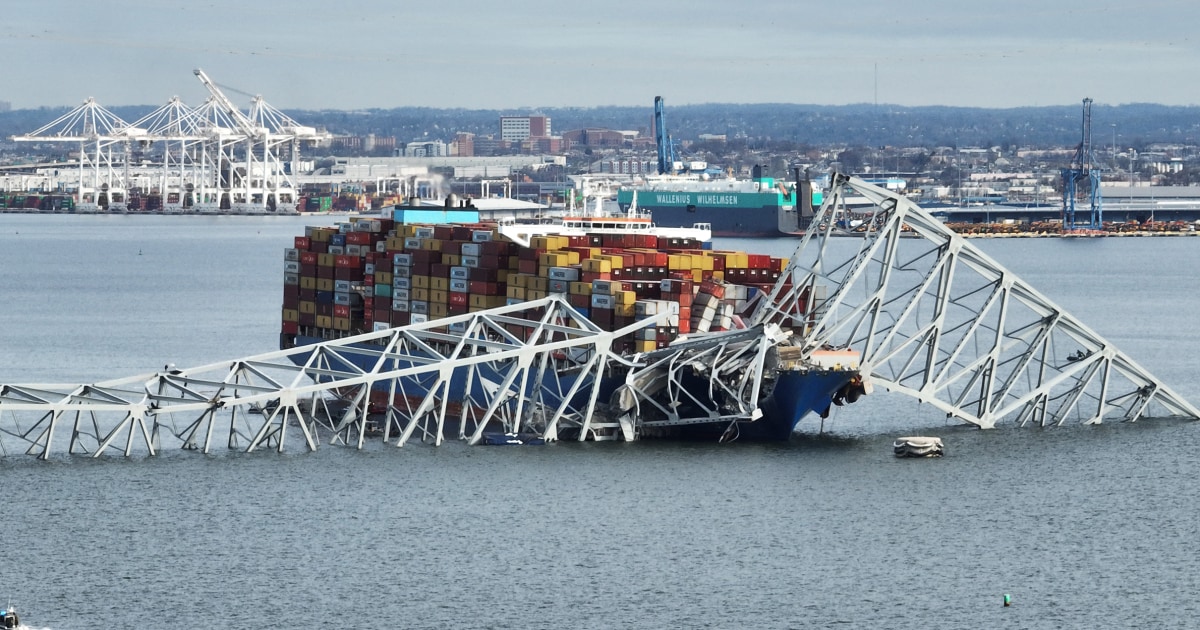
An NBC piece on the collapse of the Francis Scott Key Bridge in Baltimore Ship operators involved in Baltimore bridge collapse charged with misconduct and obstruction – NBC News describes not the moment of the tragedy itself, but the next, fundamentally important stage — establishing and legally assigning responsibility. The U.S. Department of Justice has filed 18 charges against the operators of the 100,000‑ton container ship Dali and its technical superintendent, Radhakrishnan Kartik Nair. This is not simply a matter of a “technical failure” but whether safety standards were systematically and deliberately violated, and whether the catastrophe was an “accident” or a consequence of negligent rule‑breaking.
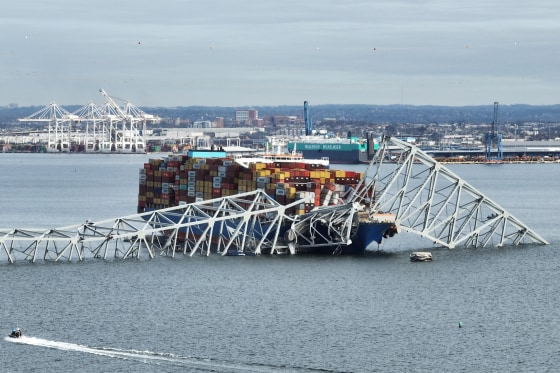
The roughly 900‑foot vessel lost power twice in the night of March 26, 2024, and struck the bridge while a road crew was crossing it — six workers were killed, one was seriously injured, and one inspector miraculously escaped harm. As FBI Special Agent Jimmy Paul emphasizes, “the collapse should not have happened.” That phrase is important: it moves the focus from the event’s randomness to its preventability. Acting Attorney General Todd Blanchett speaks bluntly of “disregard for maritime safety standards,” of six dead, critical infrastructure destroyed, pollutants released into the Patapsco River and Chesapeake Bay, and economic damage exceeding $5 billion. This is how the state frames the key message: the cost of negligence in complex techno‑systems is enormous, and it will be legally monetized through criminal and regulatory charges.
According to the Justice Department, Synergy Marine Pte Ltd (Singapore) and Synergy Maritime Pte Ltd (Chennai, India), along with their technical superintendent, not only violated safety rules but may have deliberately concealed hazardous operating conditions. They are charged with conspiracy, “negligence or wrongful acts of ship officers causing death,” intentionally failing to immediately notify the U.S. Coast Guard of a known dangerous malfunction, obstructing a departmental investigation, and making false statements. In addition, the corporations are accused of violating environmental laws — the Clean Water Act, the Oil Pollution Act, and the Refuse Act; the allegations concern containers and their contents, oil products, and parts of the collapsed bridge being discharged into the Patapsco.
A few legal and technical points are worth clarifying here. When the indictment speaks of “misconduct or neglect of ship officers,” it refers not only to the error of a specific captain or mechanic, but to the overall level of ship management and technical oversight. A superintendent is an engineering‑administrative manager responsible for the technical condition of a company’s fleet. If investigators prove that he and the management structures were aware of risks (for example, problems with power supply) and failed to take proper measures, legal responsibility goes beyond a mere “human factor” and becomes an example of corporate culpability. Charges of conspiracy and information concealment, in turn, indicate that regulators are examining not only the accident itself but also the companies’ behavior afterward, including any attempts to minimize consequences through misleading reporting.
Such cases create precedents: multinational shipping companies that operate under “flags of convenience” and complex ownership structures are increasingly subject to strict legal scrutiny where the damage is not only human but also infrastructural, environmental, and macroeconomic. Baltimore’s port was paralyzed for two months, a new bridge is under construction, and the state is clearly demonstrating that it will pursue maximum accountability for such systemic harm. This is one of the key trends in modern regulation of complex industries: a shift from light‑touch oversight to active pursuit of responsible parties and public lessons for the market.
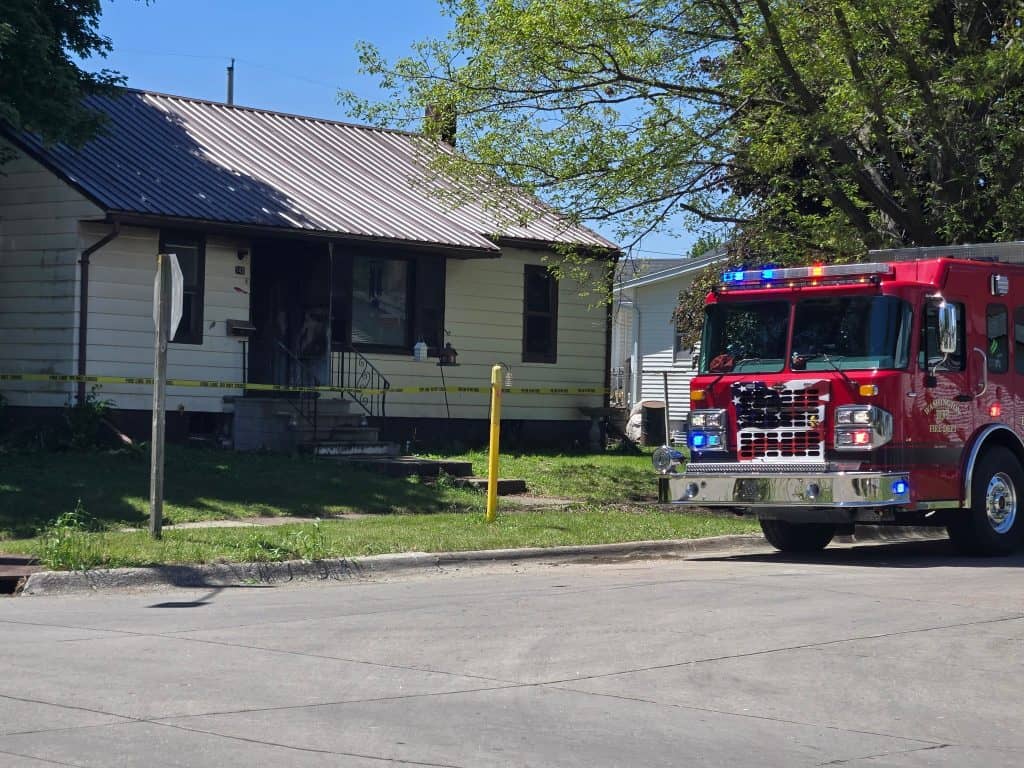
If we transfer that focus to a much smaller, local episode — a house fire in Washington, Iowa, described by the local outlet KCII Radio Washington, Iowa — we see the same risk‑management logic, only on a micro scale. At 9:02 a.m., Washington fire crews were dispatched to a house at 745 East Jefferson Street; arriving units saw heavy smoke and open flames, but all residents had evacuated and there were no fatalities. Five fire departments from neighboring towns and county services responded, joined by emergency medical services, police, utilities, and the Washington County dispatch center. The cause of the fire is under investigation.
Even in this seemingly “routine” provincial news item you can spot the same structure of response: coordinated work by different units, emphasis on human safety, and subsequent examination of causes. As with the bridge, the phrase “cause of the fire is under investigation” carries the same idea: the incident must not only be extinguished and assessed but its trigger identified — faulty wiring, misuse of heaters, a gas appliance issue, arson, etc. That determination affects potential charges, insurance payouts, and future preventive measures. Even if there are no fatalities and the economic damage is local, such incidents are material for continual learning and standard adjustment within the fire safety system.
The significant difference between the Iowa fire and the Baltimore catastrophe is scale and the degree of institutionalized accountability. In Iowa the system demonstrated effectiveness: a rapid response, no casualties, cooperative agencies. In Baltimore the same basic principle — “save people first, then restore infrastructure and find causes” — collides with a huge gap between private incentives (operators may prefer to cut maintenance costs and hide problems) and the public interest (maritime safety, bridge integrity, and environmental protection). That is why one case ends with a local fire investigation, while the other unfolds into a multi‑episode federal process in which not only specific employees but business models and international shipping practices sit in the dock.
The third thread — U.S. inflation rising to 3.8% year‑over‑year in April amid the war in Iran and higher energy prices, reported in a New York Times Facebook post — brings risk and responsibility to the macroeconomic and political level. In essence, this is also a kind of “disaster,” only stretched out over time and perceived not as a sudden blast but as a prolonged deterioration of living conditions. The war in Iran, according to the wording, is driving up energy prices, which in turn raises the cost of a wide range of goods and services. For households this translates into higher bills for gasoline, utilities, groceries, and insurance; for businesses it means rising costs.
In this context, the post quotes Donald Trump’s promises: “’Prices will come down,’ You just watch: They’ll come down, and they’ll come down fast, not only with insurance, with everything.” and: “’When I win, I will immediately bring prices down, starting on Day One,’ August 14, 2024 Trump.” Thus inflation becomes a political resource and a battleground of narratives: who is to blame for rising prices, and who can “immediately” lower them. It is useful to clarify terminology. Inflation is the general increase in the price level in an economy; when an annual rate of 3.8% is cited, it means the Consumer Price Index rose by that amount compared with the same month the previous year. For the U.S. this is a moderate but elevated figure relative to the Federal Reserve’s target. A war in a major oil‑producing region creates a so‑called “supply shock”: exports of oil and gas shrink (or threaten to), global prices rise, and that transmits through supply chains to increase the cost of goods and services that use energy.
The political promise to “bring prices down on Day One” looks, economically speaking, like a populist simplification of a complex process. Unlike a fire or a bridge collapse, where responsibility can be more clearly defined, inflation weaves together monetary policy, fiscal spending, global supply chains, speculative market behavior, and geopolitical events. Yet society tends to seek personalized accountability here as well: the president, Congress, the Federal Reserve. In this sense the inflation shock is also a test of governing institutions and public trust in them.
What unites all three stories is a confrontation with risk and an attempt, through legal, organizational, and political tools, to turn a chaotic event into a manageable process. In Baltimore the state stresses the catastrophe’s “preventability” and demonstratively tightens personal and corporate responsibility for violations of safety and environmental standards. In Iowa local services show that a well‑constructed response system can minimize human harm even in a serious fire; following investigations aim to prevent repeats. In the economy, inflation driven by an external political conflict triggers a search for political solutions — from tough rhetoric to promises of immediate price reductions, which in reality bump up against the complex architecture of the global economy.
The common trend is that society is increasingly unwilling to accept major and even local crises as mere “accidents.” Every incident is treated as a test of the adequacy of norms, institutions, and practices: are technical operation standards strict enough, how promptly do services respond, can authorities honestly explain the nature of economic shocks rather than reduce everything to slogans. In this context, cases like the charges against Synergy Marine and Synergy Maritime are emblematic: they signal that the era when cheap globalization and hidden safety costs could remain in the shadows is drawing to a close. And transparent local fire reports and public debates about inflation show that the demand for accountability and clarity is now as important as technical measures to prevent the next collapse, fire, or price surge.