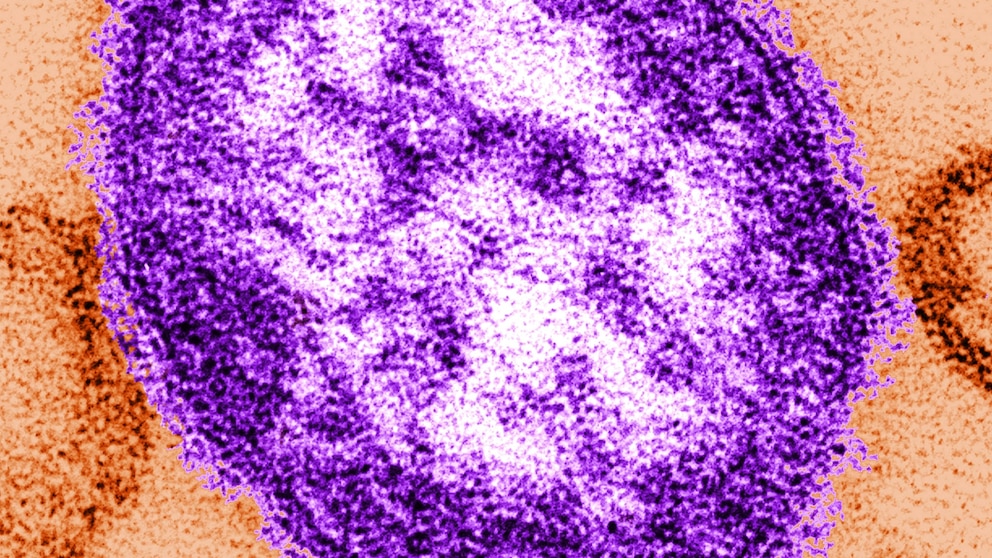
Measles has once again become a serious public health threat in the United States: confirmed cases have topped 5,000, the infection has spread across nearly the entire country, and outbreaks have led to the deaths of children and adults. The main risk factor is insufficient vaccination: the vast majority of those infected are unvaccinated or have an unknown vaccination status. The reports show how declining community protection can turn a vaccine-preventable disease into a large-scale epidemic problem.
According to the US Centers for Disease Control and Prevention (CDC), as cited by ABC News, 5,182 confirmed measles cases had been recorded nationwide by the time statistics were updated in 2026. Infections were reported in 45 states and Washington, DC; those infected included at least 18 international visitors. Ars Technica cites a later CDC snapshot: as of November 5, cases had been identified in 47 states and jurisdictions. The difference likely reflects updated data and variations in how cases are counted; both reports point to an exceptionally broad geographic spread of the outbreaks.
The death toll also varies depending on the publication date and the level of confirmation. ABC News reports eight deaths confirmed by state authorities: six in Pennsylvania, one in New York, and one in Wisconsin. Ars Technica reports nine deaths, eight of which had been confirmed by state authorities, while the CDC had recorded four at the time. This is not necessarily a direct contradiction: federal statistics may be updated more slowly than reports from local health authorities, and some cases may still be under review. The figures should therefore be considered alongside their dates and the identity of the authority confirming them.
Recent deaths make the toll of the outbreaks especially clear. In New York, a child died—the state’s first known measles death in more than 30 years. In Pennsylvania, an unvaccinated resident of Jefferson County died. In Wisconsin, an infant died; according to Ars Technica, it was the state’s first measles death since 1990. Wisconsin Health Secretary Kirsten Johnson called the child’s death “a tragedy—especially when it is linked to a disease that can be prevented with a vaccine.”
Pennsylvania remains one of the hardest-hit areas: Ars Technica reports 1,467 cases in the state. Overall, according to ABC News, about 96% of those infected were either unvaccinated or had an unknown vaccination status. Two percent each had received one dose of the MMR vaccine or the recommended two doses. These figures underscore that the outbreak is spreading primarily where immune protection is absent or unconfirmed. Measles cases can occur among vaccinated people, too: the vaccine greatly reduces the risk of infection, but does not provide absolute protection to everyone.
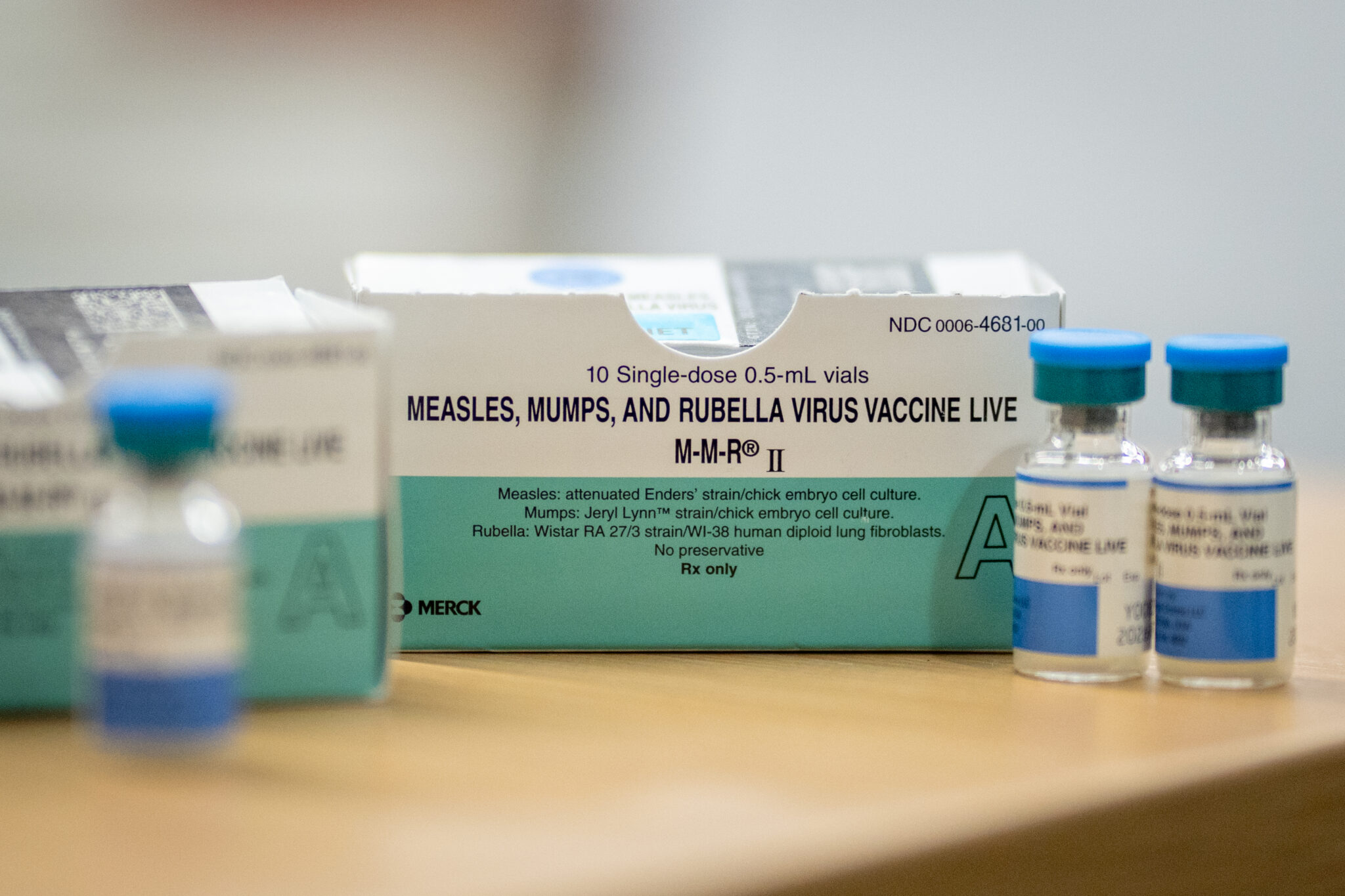
The CDC recommends two doses of the measles, mumps, and rubella (MMR) vaccine: the first at 12–15 months of age and the second at 4–6 years. According to figures cited by ABC News, one dose is about 93% effective against measles, and two doses are 97% effective. However, vaccination coverage among US schoolchildren is falling: 92.4% of kindergarteners were vaccinated in the 2025–2026 school year, compared with 95.2% in 2019–2020. The CDC considers coverage of around 95% an important threshold for limiting the spread of measles. This is because the virus is extremely contagious: when a significant share of a community is susceptible, the infection quickly finds new hosts.
This community-level protection is known as herd immunity. It does not mean that every individual is personally protected; rather, a high proportion of immune people makes transmission more difficult and thus indirectly protects infants, people with contraindications to vaccination, and those who do not develop a sufficient immune response to the vaccine. When coverage falls, transmission chains grow longer, and a local outbreak can spread across state lines.
The disease affects people of different ages: according to ABC News, the largest number of cases is among people aged 5 to 19. At least 11% of those infected were hospitalized; among children under five, more than one in ten ended up in hospital. This challenges the idea that measles is a harmless childhood illness. It can cause serious complications and death, especially in young children, although the severity of the illness varies.
There is also an important limitation to the statistics: reported cases may represent only a portion of actual infections. Ars Technica notes that not everyone who becomes ill seeks medical care and gets tested. This is especially relevant to outbreaks in close-knit religious communities, where people may be less likely to use the conventional medical system. Official figures therefore primarily reflect cases that have been detected and recorded, not necessarily the full scale of the spread.
Taken together, the reports describe not merely a series of outbreaks, but a weakening of preventive health infrastructure. The vaccine remains highly effective, but its benefits to society depend on how widely it is used and how quickly health authorities identify cases. Measles’ geographic spread, declining MMR coverage, and discrepancies between current state reports and federal data point to the need to sustain vaccination, improve disease surveillance, and promptly inform the public.
The political and practical takeaway is particularly important: measles is returning not because effective protection has disappeared, but because that protection is unevenly distributed and coverage is declining. For an individual family, the decision to vaccinate affects not only the risk to their own child, but also to vulnerable people around them. Deaths in several states and a case count not seen in decades have turned this from a theoretical warning into an immediate reality.