The main story in the two weather reports is not simply bad weather, but the arrival of powerful storms during one of the busiest travel periods in the United States. Rain, strong winds, localized snow, flood risks and possible airport disruptions could complicate travel for millions of people ahead of Thanksgiving and on the holiday itself. At the same time, the forecasts remain uncertain: the path of the precipitation and temperatures will determine where rain turns to snow and where the effects are limited to wet roads and delays.
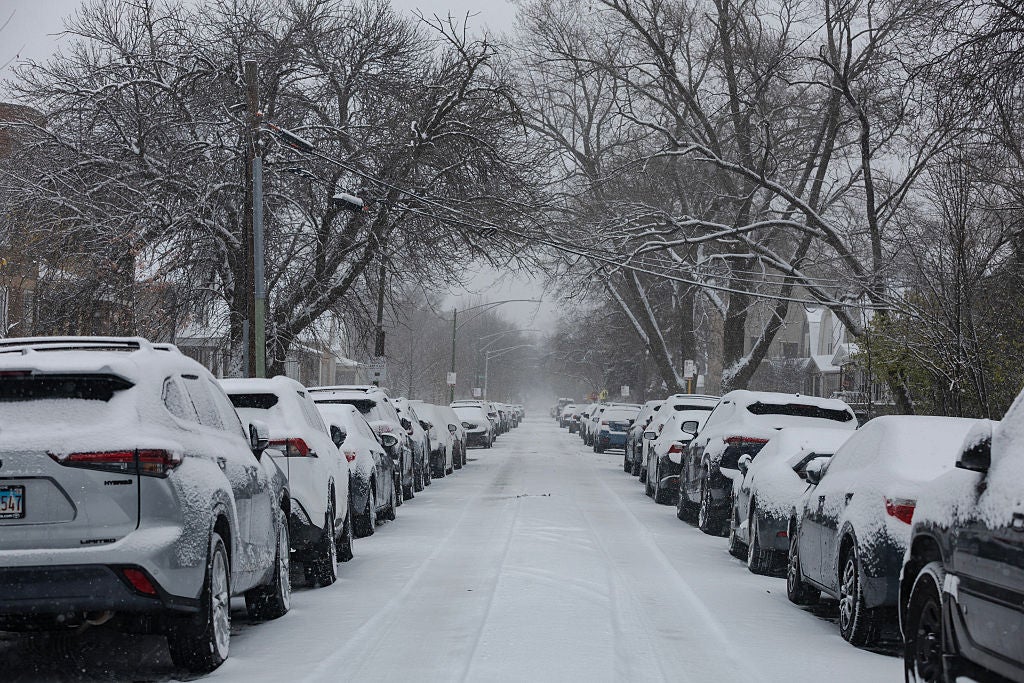
The storm system is expected to move from the southeastern U.S. along the East Coast and also affect the Midwest. The FOX Weather report focuses mainly on the Midwest, where heavy rain and gusty winds are expected, with a mix of rain and wet snow possible in some areas. A Winter Storm Watch—a notice issued in advance when winter weather is possible—covers parts of the region, including St. Louis, from midday Wednesday through Thursday.
The key caveat is that snow is not yet a certainty. Three conditions must coincide for it to accumulate: cold air must move in, there must be enough moisture, and the two air masses must overlap for long enough. According to the FOX Forecast Center, it is still unclear whether the colder air will arrive in time and whether enough precipitation will remain. Even if snow falls, surface temperatures may be too high for a lasting snow cover. But a drop of just a few degrees could change the picture: rain could turn to wet snow or a wintry mix, especially in eastern Illinois, Indiana, Ohio and Michigan. The greatest chance of this transition is expected Thursday afternoon and overnight, although precipitation could linger into Friday.
Travel will be difficult even without snow. Heavy rain will reduce visibility, while wind gusts will make driving and transportation operations more challenging. If wet snow does appear, bridges, overpasses and untreated roads could be especially dangerous. FOX Weather identifies I-55, I-57, I-74, I-75, I-80 and I-90 among the potentially affected highways. Delays are also possible at major airports in Chicago, Indianapolis, Detroit and Cleveland. Since these cities are important connecting hubs, disruptions there could affect flights well beyond the region.
The NBC News report presents a broader picture of the system: threats extend across the Southeast, the East Coast and California. According to the report, more than 81 million people will travel during the holiday week, most by car. Rain and thunderstorms could delay flights in Miami, Orlando, Atlanta, Charlotte and Raleigh-Durham on Tuesday and Wednesday; disruptions are possible in Washington, Boston and Chicago on Thursday. The weather is compounding existing problems in air travel: in recent weeks, some airports have experienced flight ground stops due to staffing constraints and technical issues. As a result, the storm’s effects could be amplified not only by the weather itself but also by the transportation system’s vulnerability.
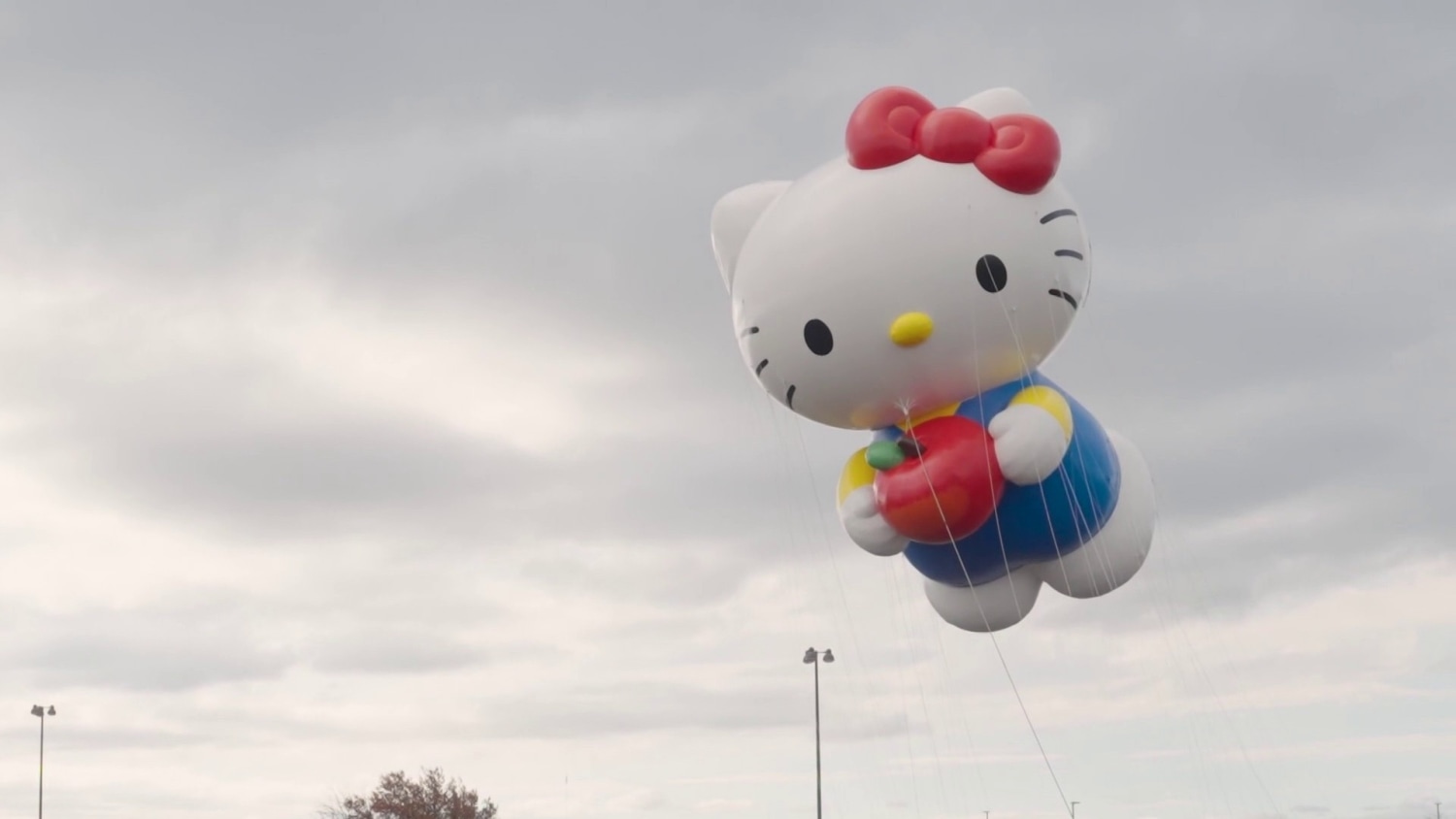
Wind will be a particularly serious factor in the East. Gusts of more than 50 mph are forecast, and wind alerts cover about 24 million people, from the Delaware-Maryland-Virginia area to Long Island. Trees could fall, power outages could occur and road travel could be disrupted. In New York, wind speeds could also affect the Macy’s Thanksgiving Day Parade: restrictions apply to flying the balloons, and the final decision will depend on weather conditions immediately before the event. This is a clear example of how a forecast can lead to a practical choice: even if an event has not been formally canceled, safety may require changes to its format.
The precipitation poses a separate flooding threat. Flood alerts are in effect along Florida’s east coast, including the Miami area. Some locations could receive one to two inches of rain, with up to four inches in isolated areas. Rainfall in the Carolinas could reach five inches. Flood risks extend from Wilmington to Boston, with coastal flooding also possible. This is especially important where heavy rain coincides with high sea levels: water may drain more slowly from streets and coastal areas.
On California’s Pacific coast, the threat comes from a combination of storm rain, wind and so-called king tides—especially high tides that occur at certain points in the lunar cycle. According to NBC News, the worst conditions are expected Tuesday and Wednesday: tides could be 2 to 2.7 feet above normal, while large waves could reach 20 to 30 feet. An evacuation order has been issued for the King Salmon area in Humboldt County. These figures matter not on their own, but in combination: high tides and waves increase the likelihood that rainwater and seawater will extend beyond their usual boundaries.
Taken together, the reports describe not one localized storm but a broad weather system that could disrupt transportation and daily life across several regions at once. The risks vary by location: in the Midwest, the main concerns are rain, wind and the possibility of precipitation turning to snow; in the East, strong winds, downpours and coastal flooding; and in California, the combination of precipitation, high tides and powerful waves. A nationwide forecast therefore does not mean conditions will be the same everywhere: the specific threat depends on local temperatures, terrain, road conditions and proximity to the coast.
The practical takeaway is that uncertainty does not remove the need to prepare. For drivers, danger can arise even without significant snowfall—from poor visibility, wind gusts, standing water on roads or a sudden loss of traction. For air travelers, conditions at the departure airport are not the only concern; delays at major connecting hubs matter too. And for coastal residents, it is essential to consider not just rain but also tides, storm surge and wave heights. Holiday plans, then, depend not on a single forecast but on how rapidly changing weather conditions coincide with heavy demand on roads, airports and coastal infrastructure.
The third item provided, an E! News article about Lori Huang, focuses on the personal life of Nvidia’s head and is unrelated to the storms, holiday travel or the effects of severe weather. It says Jensen Huang admitted to marital infidelity and publicly apologized to his family, and that the board of directors later reinstated him as president and CEO while an investigation was underway. Since this article is thematically unrelated to the two weather reports, it cannot be meaningfully combined with them without artificially expanding the topic.