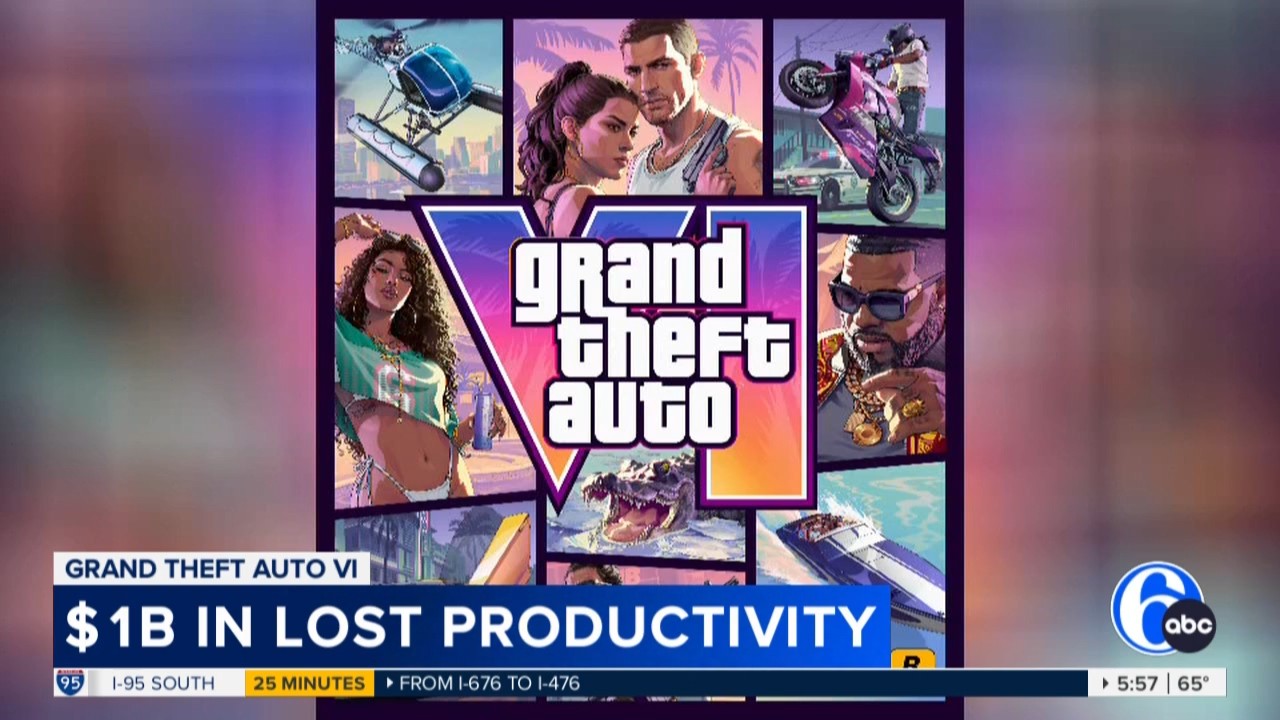
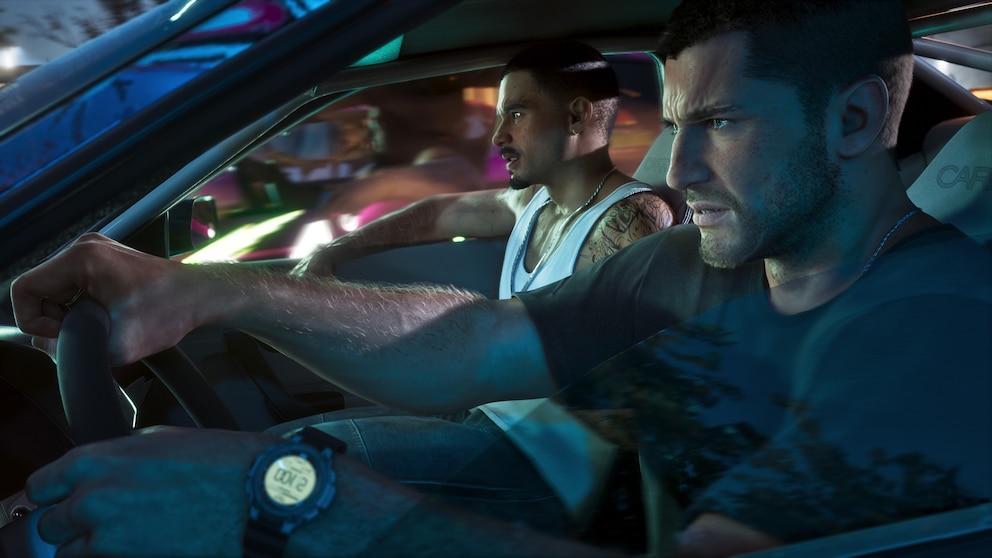
The release of Grand Theft Auto VI has become such a highly anticipated event that an entire ritual is taking shape around it: players are clearing days in their calendars in advance, discussing plans with friends, and brands and sports teams are tapping into the excitement for their own promotions. The “GTA flu” joke is more than just a meme about skipping work—it signals the scale the gaming industry has reached: the launch of a single game can influence people’s behavior and become a major cultural and commercial event. Yet all the excitement exists alongside another side of the franchise: questions about privacy and the relationship between the company and its employees.
According to 6abc Philadelphia and ABC News, fans are preparing to play as soon as the game launches at midnight and are planning vacations or days off. ABC News, citing gaming industry expert and NYU Stern lecturer Joost van Dreunen, calls the release “the biggest launch in the history of the video game industry, and perhaps the entire entertainment industry.” In his view, once midnight arrives, the frenzy will begin—a spectacle with few parallels.
The scale of anticipation can be explained by the long gap since the previous installment: Grand Theft Auto V came out in 2013. In the years since, the franchise has become one of the most successful in video game history. According to 6abc, the series has sold more than 470 million copies, including over 230 million copies of GTA V. The fifth installment reached $1 billion in retail sales in just three days. The new game takes players back to Vice City, a fictional city modeled on Miami, and will show whether Rockstar Games can repeat its predecessor’s success.
The excitement is evident not only in sales and trailer views, but also in how people organize their daily lives. Content creator Brodie “Gata Bud” Burras told ABC News that he has set aside nine days for the game, combining vacation days with weekends and holidays. Miami resident Felix Harkin and his friends plan to play through the game together and even hold a kind of race between their homes. This shows that, for some fans, the release is more than just a purchase—it is a shared experience that people build their plans around.
The launch is also drawing attention through its enormous promotional reach. According to 6abc, the first GTA VI trailer garnered more than 93 million YouTube views in its first 24 hours, while the second, according to Rockstar parent company Take-Two Interactive, drew more than 475 million views across platforms in a single day. The game has also topped the pre-order charts for Sony and Microsoft, ABC News reports. These figures point to a rare combination for an entertainment product: a huge audience, years of anticipation, and interest extending well beyond the gaming community itself.
Against this backdrop, Xbox and DJ Khaled turned talk of calling in sick into a promotional joke. They offered users a personalized, tongue-in-cheek “Xbox doctor’s note.” In the video, Khaled lists symptoms of “vitamin G deficiency”: “twitching thumbs,” “hands cramping up from the controller,” and anxiety about the release date. The website makes clear, however, that the note is not real and that Xbox is not responsible for how employers respond. The stunt both plays on the “GTA flu” meme and highlights how eager brands are to join the conversation around the release.
The excitement is spilling into the real world, too. According to ABC News, the Miami Heat temporarily became the Vice City Heat: during a game against the Milwaukee Bucks, the team wore themed uniforms and used a specially decorated court as part of “A Night in Vice City.” For a city that inspired the game world, this is a particularly vivid example of how a fictional universe can intersect with real-world city identity and commercial events.
The practicalities of the launch also require preparation. The game will be available on PlayStation 5 and Xbox Series X|S; Sony has warned PS5 owners to install a software update in advance if they want to start playing at midnight without delay. Players in Asia and some other regions will be able to start earlier than users in the United States because of local launch times. Such details matter to an audience that sees the first hours after release as part of the event itself.
At the same time, a third article highlights a less celebratory side of the industry. A BBC report on an employment tribunal hearing quotes a statement about Rockstar employees who were found to have breached confidentiality. The speaker said: “We knew the rules, we knew our employer would object to us using a semi-public Discord to criticize the company and breach confidentiality, but we did it anyway—and we would do it again.” The brief excerpt does not reveal all the circumstances of the case or allow readers to judge the parties’ positions for themselves. It does, however, serve as a reminder that behind the game’s public image are workplace relationships, corporate rules, and conflicts over employees’ freedom to communicate and the protection of internal information.
Taken together, the reports point to several interconnected trends. First, a video game can become a mass-media event, capable of competing for attention with major film and music releases. Second, anticipation is monetized and extends beyond the game itself through social media, sporting events, and advertising campaigns. Third, the audience helps create the event: people take time off, meet up with friends, and turn the launch into a shared ritual. Finally, the industry’s commercial glamour does not erase its internal questions, including those around privacy and working conditions.
Some terms in these reports need clarification. “GTA flu” is a tongue-in-cheek name for the supposed “illness” affecting fans who want to take time off to play; it is not a real disease. NPCs, mentioned by ABC News, are non-player characters controlled by the game’s software, rather than by another player. The “semi-public Discord” in the BBC quote refers to an online server space accessible to a particular group of participants, but not necessarily open to everyone. The dispute concerns whether information the company considers confidential may have been discussed or disclosed there.
The main takeaway is that GTA VI is not just another installment in a popular series, but a test of how far a gaming franchise can reach beyond its own audience. The preparations for launch, record-breaking attention to the trailers, and involvement of brands show that a modern game can shape schedules, advertising strategies, and city events. But the more significant such a cultural product becomes, the more visible the tensions behind its creation.