The popularity of GLP-1 drugs has rapidly expanded beyond the treatment of diabetes and obesity. Some studies suggest that these medications may improve the health of the heart, kidneys and liver, and may even slow biological aging. Others point to less widely known consequences, including hair loss, scalp inflammation and nail changes. At the same time, growing demand has fueled an illegal market for experimental drugs, where a lack of oversight has already been linked to severe complications and two reported deaths.
The overall picture is this: GLP-1 drugs do have broad effects on the body, but their popularity is outpacing scientific understanding of their long-term consequences. The gap between drugs that have undergone clinical trials and products sold online without guarantees regarding their contents, dosage or medical supervision is particularly dangerous.
GLP-1 drugs—including semaglutide, found in Ozempic and Wegovy, and tirzepatide, sold as Mounjaro and Zepbound—mimic the action of hormonal signals involved in regulating blood sugar, appetite and satiety. Their primary effects are weight loss and improved diabetes control. However, reductions in weight and glucose levels affect many body systems, prompting scientists to investigate whether these drugs may influence not only individual diseases but also the aging process as a whole.
A CNN report describes early research linking GLP-1 drugs to slower so-called biological aging. This does not mean literally “rejuvenating” a person in the everyday sense, but rather changes in indicators that assess the condition of tissues and organs based on gene activity and protein profiles.
In an Eli Lilly study, overweight participants without diabetes took tirzepatide for 72 weeks. In a small group of people over 50, researchers analyzed epigenetic clocks—mathematical models based on which genes are switched on or off in cells. Under normal circumstances, the participants’ chronological age should have increased by about 1.38 years over 72 weeks. However, different epigenetic measures showed an average increase in biological age of only 0.7 to 1.1 years. In some tissues, the measures even shifted toward a younger state.
Lilly representative Kevin Duffin described the result as an “age reduction” of roughly three to six years, while also stressing that it was “not a panacea.” This caution is important: the study was small, did not include a full placebo group and lasted a relatively short time. It therefore shows a correlation, rather than proving that tirzepatide can extend life.
The question of the mechanism is even less clear. Slower biological aging may result from the drug’s direct action, but it may primarily be explained by weight loss, lower blood sugar and reduced inflammation. Calorie restriction and substantial weight loss are known to positively affect longevity in animals and some markers of aging in humans. As James Kirkland of Cedars-Sinai noted, the findings cannot automatically be applied to young, thin and healthy people who take these drugs for “biohacking.” He warned that people may “misinterpret” the early data.
A Novo Nordisk study, also discussed in the CNN report and so far published as a preprint, provides additional grounds for interest. Among people taking semaglutide, the biological age of the heart was about two to four years lower than in the placebo group, while measures for the lungs, kidneys, brain and pancreas were one to four years lower. The authors claim that these differences cannot be fully explained by weight loss, blood-sugar control or reduced inflammation. However, because the study has not yet undergone full peer review, its findings require independent confirmation.
Experiments in mice appear more impressive, although they do not provide a direct answer for humans. Researchers at the University of California, Berkeley, administered semaglutide to mice about 20 months old—roughly equivalent to a 60-year-old human. The animals receiving the drug lived an average of 834 days, compared with 742 days for mice given a placebo. A separate group had its food intake restricted by about 25%. These animals also lived longer, but the mice receiving semaglutide performed better on memory and navigation tasks and controlled their blood sugar more effectively. According to researcher Danika Chen, this points to possible effects beyond simple calorie restriction.
Nevertheless, epigenetic clocks and other aging biomarkers cannot yet be regarded as reliable personal predictions of life expectancy. They are useful for comparing large groups of participants, but can fluctuate considerably within the same individual. Kirkland notes that such measures “can change dramatically from day to day.” Commercial tests claiming to determine a person’s true “biological age” should therefore not be treated as a medical diagnosis.
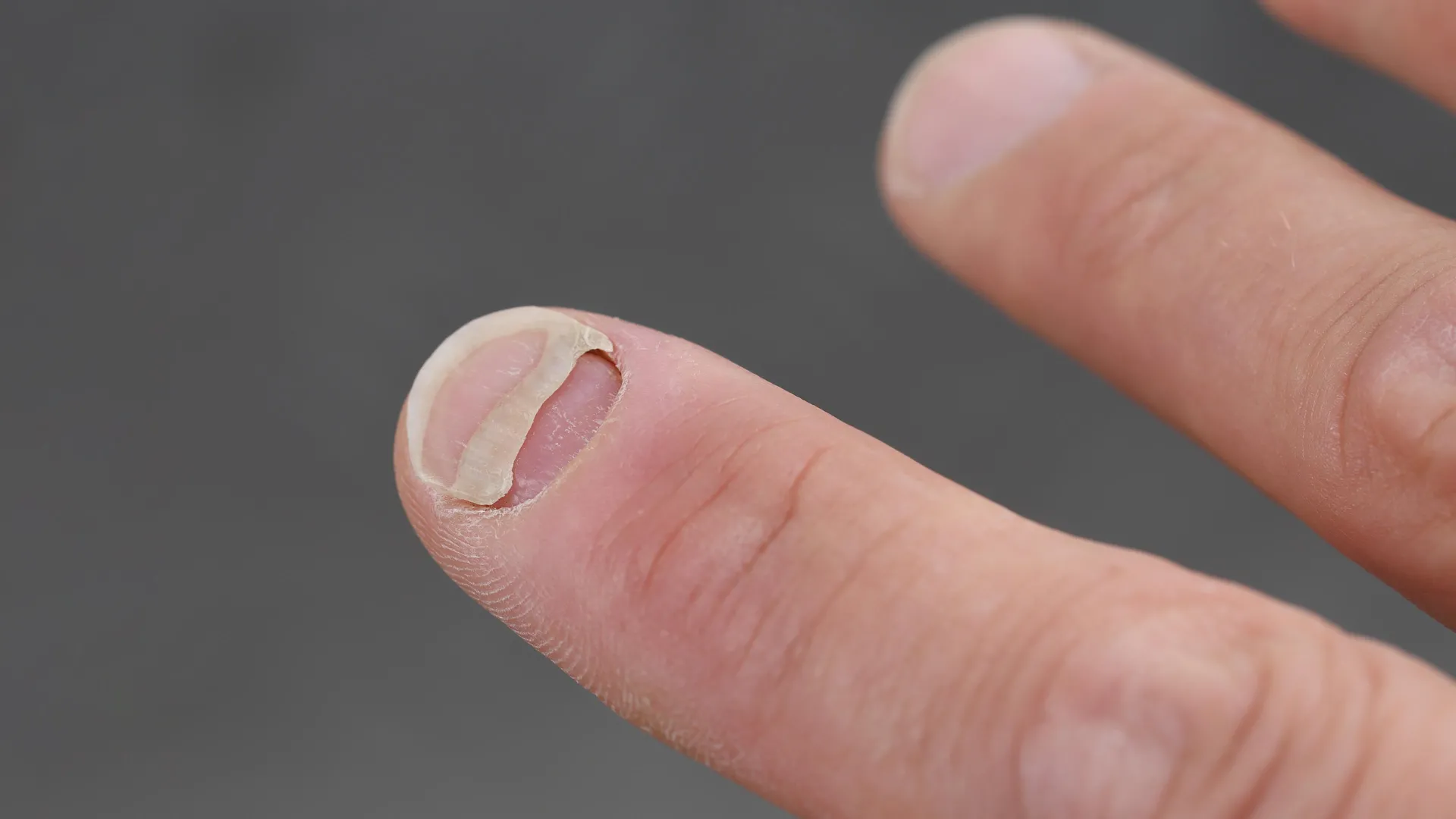
At the same time, potential benefits are being accompanied by data on side effects that are rarely discussed publicly. According to a ScienceDaily report, an international study found an association between GLP-1 drug use and problems affecting the nails and hair. Among 575 drug users, 66% reported at least one nail disorder, compared with 53% in a control group of 1,329 people with diabetes and/or obesity who were not taking GLP-1 drugs.
The difference was particularly notable for onycholysis, or separation of the nail from the nail bed: 39% of users reported the condition, compared with 9% of the control group. Nail discoloration occurred in 46% and 17%, respectively. At the same time, about half of the users said their nail problems had existed before treatment began. After skin diseases and nutritional deficiencies were taken into account, the differences narrowed, but nail separation and discoloration remained roughly two to three times more common.
The researchers also found more frequent hair loss: 50% of users reported unusual hair loss, compared with 34% in the control group, while reduced hair density was reported by 42% versus 19%. Hair loss that began after treatment started was observed in 26% of users and 12% of nonusers. Scalp redness was about three times more common among users.
These results do not prove that the drugs directly cause hair and nail changes. The study was cross-sectional: researchers compared groups at a particular point in time rather than following patients from the start of treatment. In addition, the information was based primarily on self-reports rather than standardized examinations. Hair and nail health can be affected by rapid weight loss, deficiencies in protein, iron and other nutrients, stress, inflammatory diseases and other medications.
However, the pattern of the observations itself is important. If rapid weight loss alone were responsible, the differences between the groups should have diminished after weight loss was taken into account. But the problems persisted. The authors suggest that some patients may have an inflammatory component, particularly when hair loss is accompanied by itching, redness or flaking of the scalp. This could be significant because such conditions may require separate treatment.
At the same time, the researchers say these side effects are generally benign and, on their own, are not a reason to stop treatment without medical advice. Patients are advised to tell their doctors about hair loss, nail changes or scalp inflammation. This is particularly important because abruptly stopping an effective drug may worsen diabetes control or lead to weight regain.
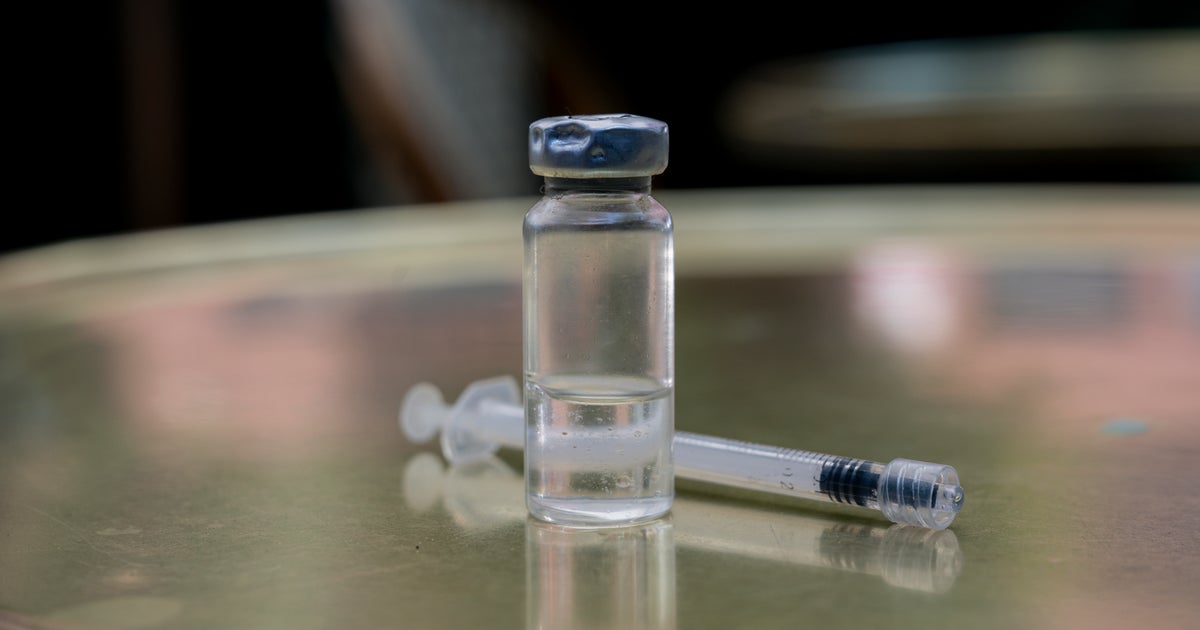
The most concerning aspect involves not approved drugs, but the illegal use of experimental products. A CBS News investigation reports two deaths whose details were submitted in recent months to the U.S. Food and Drug Administration. The cases involved retatrutide, an experimental Eli Lilly drug that has not yet been approved by the FDA and legally should not be sold outside clinical trials.
In one report, a 41-year-old woman with obesity suffered cardiac arrest and died; retatrutide purchased from an “unreliable source” was listed as the suspected product. In the second case, a 49-year-old patient obtained the drug through a link provided by a licensed nurse. She subsequently developed severe dehydration, malnutrition and cardiac arrest. Both reports were submitted to the FDA’s adverse-event reporting system, but the agency has not verified all the circumstances and has not stated that the drug caused either death.
This is a crucial limitation: an adverse-event report is not the same as proof of a causal relationship. The patients may have had other medical conditions, may have taken additional substances, and the contents of the vials may have differed from what was claimed. That is why the FDA needs to obtain and analyze actual drug samples.
But the uncertainty does not make the situation less dangerous. According to America’s Poison Centers, reports of retatrutide exposure rose from 249 cases in the first quarter of 2026 to 460 in the second quarter and 862 during the three months ending in September. The increase is partly explained by the fact that poison centers only recently began systematically tracking the drug, but it also shows how quickly the experimental product has spread beyond regulated medicine.
Retatrutide has attracted particular interest because clinical trials have shown that it produces greater weight loss than many currently available drugs. Expectations surrounding the future “blockbuster” drug have created demand for products sold through spas, wellness websites, social media and even ordinary retail stores. Such products are often labeled for “research use only,” but are in fact injected into people without medical supervision.
Eli Lilly said this was a “black market for retatrutide,” where samples had been found to contain too much, too little or none of the stated active ingredient, as well as contaminants. This explains why clinical-trial data on retatrutide cannot be mechanically applied to an unknown vial purchased online. Clinical trials control the substance’s purity, dosage, storage, medical supervision and patient-exclusion criteria. None of these parameters is guaranteed in an illegal product.
All three reports point to the same fundamental problem: GLP-1 drugs have much broader effects than initially thought, but scientific and regulatory systems have not yet caught up with their spread. The possibility of slowing biological aging makes these drugs attractive to people without medical indications. Dermatological findings are a reminder that systemic effects can appear in unexpected organs and tissues. And the illegal market demonstrates what can happen when people try to access unapproved drugs without testing or supervision.
The key conclusion is that “anti-aging” remains a scientific hypothesis, not an established indication. Biological age is a research measure, not proof of extended life. Even if GLP-1 drugs do improve the health of several organs at once, it remains necessary to determine exactly who benefits, how long the drugs should be taken and what the consequences are of many years of use in people with normal weight.
A second important conclusion is the need to distinguish the effects of the drug itself from the results of weight loss. Reduced body weight, improved insulin sensitivity, lower inflammation and normalized blood pressure can themselves reduce the risk of age-related diseases. To prove an independent “anti-aging” effect of GLP-1 drugs, long-term placebo-controlled studies are needed, involving people across different weight categories and using objective clinical outcomes—not only epigenetic clocks, but also rates of heart attacks, dementia, loss of function, disability and death.
Finally, rapidly growing demand increases the responsibility of doctors, manufacturers and regulators. Patients should obtain verified medicines through the official health care system and discuss any new symptoms with their doctor rather than self-treating or abruptly stopping therapy. Buying experimental substances with an unclear composition is especially dangerous: in such cases, people risk not merely encountering an unknown side effect, but effectively having no idea what they are injecting into their bodies.