The materials presented here cover a range of topics, from an unusually early flu season and vaccination options to the experimental use of a vaccine in oncology and a strike on a Russian oil refinery. They can only be partially linked into a single story: the central theme of the two medical articles is the potential role of the flu vaccine, primarily in reducing the risk of severe illness. The article about the drone-and-missile war targeting oil infrastructure belongs to a different context and does not support the medical conclusions.
In The Guardian’s article on flu vaccination, experts describe a season that began on the US West Coast about two and a half months earlier than usual. Although the US Centers for Disease Control and Prevention (CDC) still rates overall flu activity as low, the agency expects it to rise as the infection spreads to the Midwest and eastern United States. The reasons for the early start have not been established. Travel and people’s movements may have played a role, but experts stress that there is no convincing explanation yet.
The season’s dominant strain is an H1N1 variant with the G155E mutation. According to estimates cited in the article, there is no reason to believe that this mutation in itself makes the infection more severe. However, preliminary research suggests that adolescents and young adults under 25 may have less immune protection against the new variant: the virus may be better at evading the immune response built up through previous infections or vaccination. The risk of a severe outcome depends not only on the virus’s characteristics but also on a person’s health. For example, flu can be especially dangerous for people with impaired heart and lung function.
The vaccine’s composition was selected before this mutation emerged, so its match to the circulating virus may be less than ideal. That does not mean the shot is useless. As epidemiologist Michael Osterholm explains, vaccination in this situation is like wearing a seat belt: it cannot guarantee that a person will not get infected, but it lowers the likelihood of severe illness, hospitalization and death. According to the article, about 24,000 people in the United States died of flu during the 2025–26 season, including 198 children; at the time of publication, one child’s death had been reported in the current season.
The World Health Organization (WHO) selects vaccine strains for the Northern Hemisphere in advance, drawing on surveillance of how viruses are spreading. Production requires lengthy preparation and relies on technologies used for decades, making it difficult to account quickly for an unexpected mutation. For the first time, an mRNA flu vaccine, mFlusiva, is also available in the United States; it is recommended for adults aged 50 and older. It too was developed before the new variant appeared, but experts hope that the mRNA platform may eventually make it possible to update vaccines more quickly and improve their match to circulating strains.
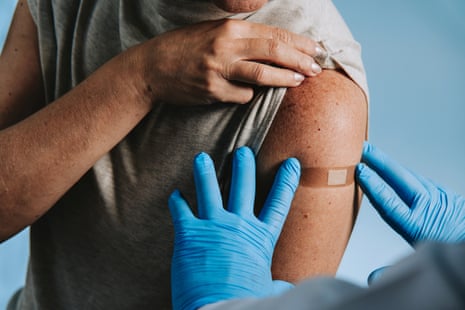
Experts advise getting vaccinated now: it usually takes about two weeks to develop adequate protection, and the holiday season of travel and gatherings is approaching. It is especially important for young people not to put off vaccination, as preliminary data suggest they may have less immunity to the current strain. The article also notes that a flu shot can be given on the same day as a COVID-19 booster. Temporary discomfort after vaccination is possible, but it is not comparable to the risk of a severe infection.
Vaccination is not the only precaution. If symptoms develop, it is worth getting tested, since confirming flu can help a doctor prescribe antiviral drugs promptly, such as oseltamivir (Tamiflu) or baloxavir (Xofluza). These medicines can reduce the risk of serious complications and shorten the illness, especially if treatment starts promptly. People who are sick are advised to stay home to avoid infecting others; if they must go out, Osterholm recommends wearing an N95 mask. Standard precautions also matter, including hand hygiene and protecting people at higher risk of complications.
A separate question is the reliability of official recommendations in the United States. According to The Guardian, after the Department of Health, led by Robert F. Kennedy Jr., dismissed all previous members of the CDC’s vaccine advisory committee and appointed new members, the recommendations system was disrupted; a court halted votes by the new panel. In response, several major professional medical organizations issued joint recommendations supporting flu vaccination for everyone aged six months and older, including pregnant people at any stage of pregnancy. This episode illustrates that public trust in vaccination depends not only on the biology of the virus and the effectiveness of medicines, but also on institutional stability, transparent decision-making and clear communication.
The second medical article, a brief report by The Washington Post on the possible use of a flu shot against cancer, describes a small clinical study in Ohio. Doctors injected a standard flu vaccine directly into skin tumors, hoping to draw the immune system’s attention to the cancer, as if the body were confronting an infection. The excerpt provides no results, participant numbers or data on effectiveness, so this is an experimental hypothesis, not a proven treatment. It is essential to distinguish standard vaccination to prevent flu from injecting a vaccine directly into a tumor: these are different approaches, and the report describes only the plan for a small study.
The overall conclusion of the medical articles is that vaccines can serve different purposes, but the evidence and level of readiness vary. The flu shot remains a proven way to prevent severe outcomes, even when the vaccine’s match to a new virus variant is less than ideal. Using the same vaccine as a possible way to target a tumor is still being tested in a small clinical study. These stories share an interest in modulating the immune response, but they do not justify treating flu vaccination as an established cancer therapy.
The third article, a Kyiv Independent report on a drone strike on the Kirishi oil refinery, is unrelated to the medical topic and focuses on military infrastructure. According to the publication, Leningrad Oblast Governor Alexander Drozdenko confirmed a fire at the refinery in Kirishi following a Ukrainian attack; he said the fire had been extinguished. NASA’s FIRMS satellite system detected heat anomalies, while Ukrainian monitoring channels reported explosions. The governor said 113 drones had been shot down over the region; debris from one fell on a residential building in Vsevolozhsk, killing a woman.
The publication says that Kirishinefteorgsintez, known as KINEF, can process up to 20 million tonnes of oil a year and produces more than 6% of Russia’s petroleum products, including fuel used by the Russian armed forces. The refinery has been attacked before: processing was temporarily halted in May after three of its four primary distillation units were damaged, and another strike was reported in August. According to the article, the latest attack came after Russia intensified strikes on Ukraine’s energy infrastructure, causing disruptions to electricity and water supplies. The article describes an escalation of attacks on energy facilities by both sides, but does not support conclusions about any effect on the flu season or vaccine development.
“Vaccine match” refers to how closely a vaccine’s composition corresponds to the virus variants actually circulating in a given season. If the match is poor, protection against infection may be weaker, but the vaccine can still prepare the immune system to recognize the virus and reduce the likelihood of severe illness. “Immune escape” is the ability of a changed virus to partially avoid recognition by antibodies generated by previous infections or vaccinations; it is not the same as increased disease severity. Finally, an mRNA vaccine uses a messenger RNA molecule as instructions for cells, enabling them to produce a viral protein temporarily and trigger an immune response. In theory, this platform can be adapted to new variants more quickly, but it does not eliminate the need for surveillance, trials and safety checks.
The main trend in the medical articles is a shift away from judging vaccines by the simple criterion of whether they prevent infection and toward a more practical question: how much they reduce the risk of a severe outcome and how quickly they can be updated as the virus changes. The early start of the season and the H1N1 mutation make timely vaccination, testing and antiviral treatment more important, especially for vulnerable groups. At the same time, political changes in the health system may hinder the distribution of recommendations and undermine trust. The experiment involving vaccine injections into tumors shows that researchers are exploring new ways to harness the immune system, but it does not change the standards of cancer treatment.