The materials provided share a common theme: societies’ vulnerability to crises—natural, climate-related, and institutional. Hurricane Lala, record heat, and flooding show how quickly extreme events can become threats to lives, infrastructure, and the economy. The story of the Alfalfa Fire District in Oregon reveals another, related aspect: even when emergency services are available, their effectiveness depends on transparency, accountability, and residents’ trust.
Taken together, these stories show that the scale of damage is determined not only by the force of nature. The quality of forecasting, government preparedness, the condition of infrastructure, clarity of communication, and institutions’ ability to act legitimately are equally important.
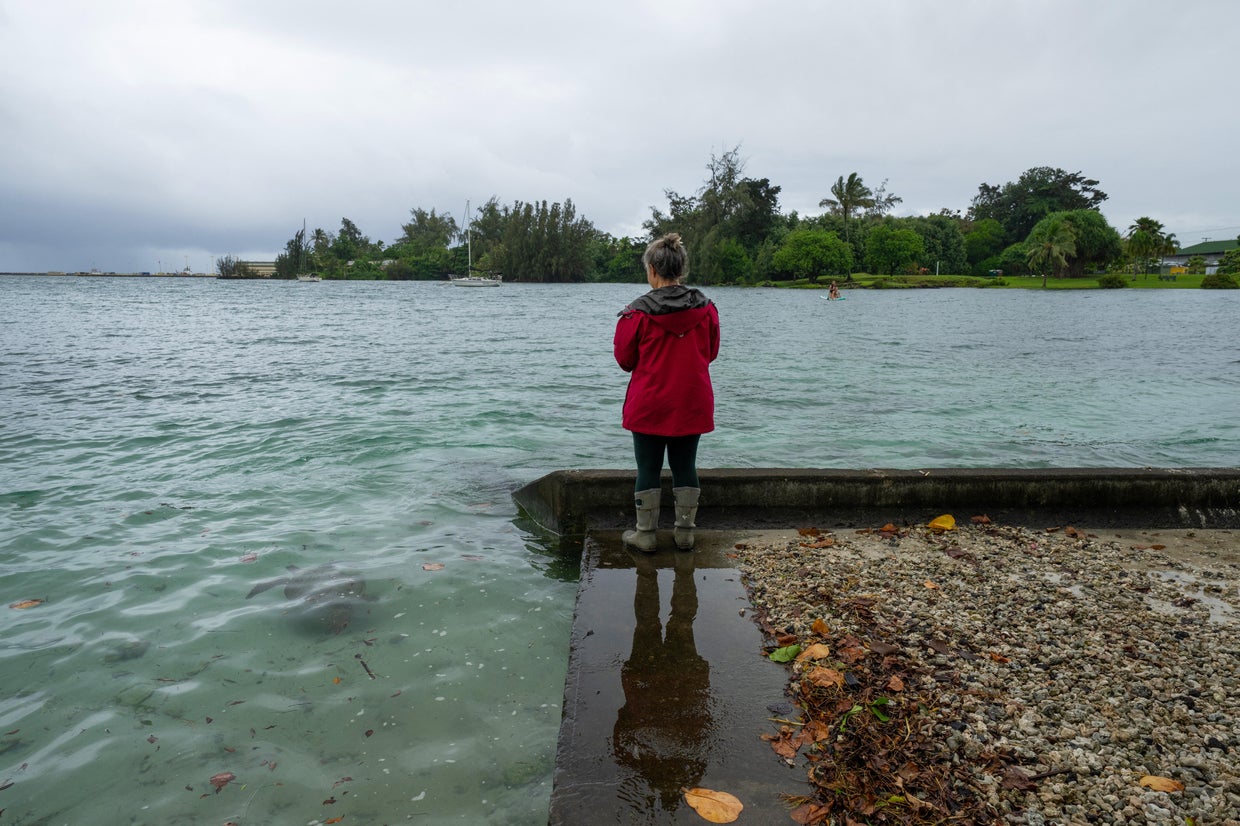
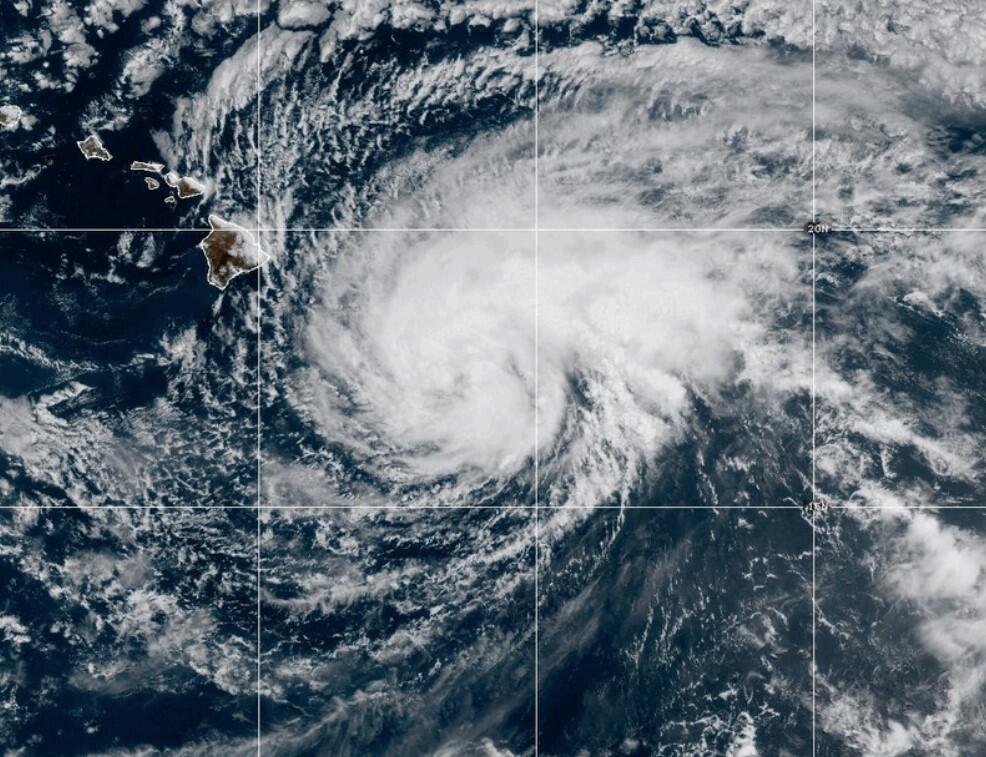
The CBS News report on Hurricane Lala describes a rare situation for Hawaii: the storm strengthened into a Category 1 hurricane, with sustained winds of about 75 miles per hour. The U.S. National Hurricane Center issued a hurricane warning for the Big Island—the highest level of alert, indicating that hurricane conditions were possible within the next several hours.
The main danger was not limited to the wind. The Big Island was expected to receive 8 to 12 inches of rain, with some areas receiving up to 25 inches. That amount of water can cause flash floods and landslides within a short period, especially on steep slopes. The other islands were forecast to receive 4 to 6 inches, with up to 8 inches in some places. Additional threats included a storm surge of up to three feet, high surf, and rip currents.
A storm surge is a temporary rise in sea level caused by winds and low atmospheric pressure at the center of a cyclone. Combined with the tide, it can flood coastal areas even without a hurricane making a direct landfall. Rip currents, meanwhile, are narrow, powerful flows of water moving away from the shore toward the open sea. They are particularly dangerous for swimmers and frequently cause drownings.
Hawaii Gov. Josh Green warned residents that the state would see an “incredible amount of water” and could also face widespread power outages, mudslides, and beach erosion. His remarks reflect an important characteristic of island territories: limited space and infrastructure can make the consequences of a disaster especially severe. Damage to several roads, power lines, or communication facilities can quickly complicate evacuations and the delivery of aid.
Authorities declared a state of emergency, prepared the National Guard, began clearing river channels, and closed most of Hawai‘i Volcanoes National Park. Schools canceled extracurricular activities, while hurricane or tropical storm warnings were issued for different islands. At the same time, the forecast remained uncertain: experts warned of possible “chaotic” changes in the storm’s path. This is particularly significant for Hawaii because the last hurricane to make a direct landfall in the state, Hurricane Iniki in 1992, was a Category 4 storm that killed six people and caused approximately $3 billion in damage.
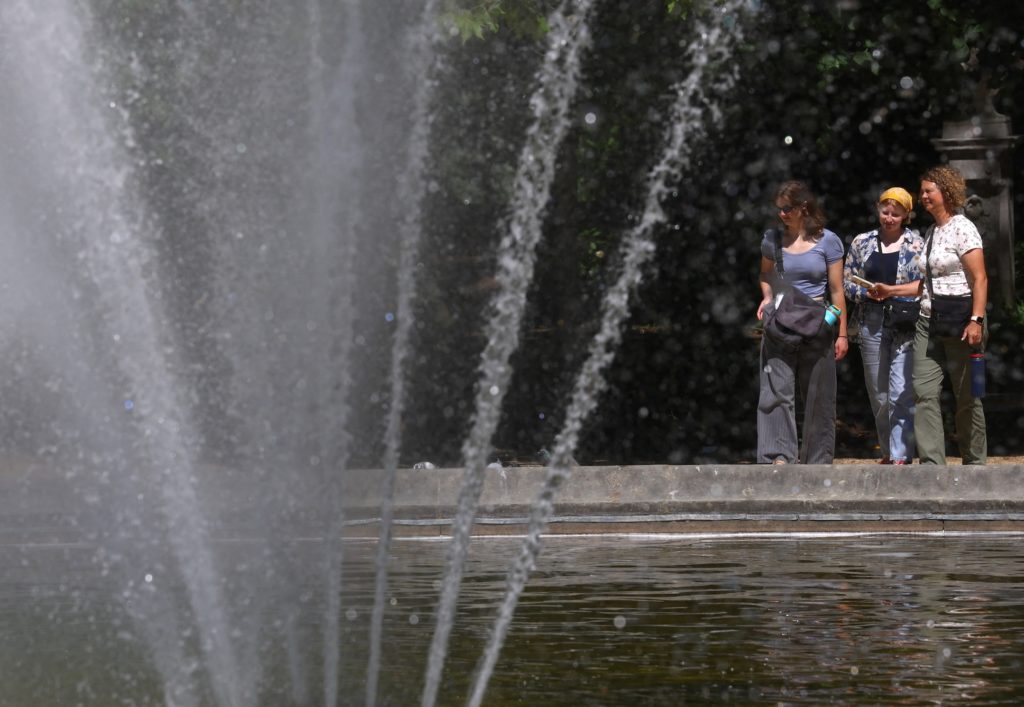
A PBS NewsHour segment on weather disasters broadens the picture beyond Hawaii. In Europe, a heat wave that journalists linked in part to human-caused climate change broke temperature records and intensified drought. In Belgium, fields that are usually green dried out, while firefighters battled forest and household fires at the same time. In the United Kingdom, fires destroyed homes, while one person died in Croatia. The country’s chief firefighter described the situation as a “firestorm,” in which ash, smoke, and burning embers were carried in every direction.
The heat itself is not the only issue; its combination with other factors is also important. Drought dries out vegetation, increasing the likelihood that fires will spread rapidly, while extreme temperatures place pressure on power systems, health care, and agriculture. Dangerous heat was also expected in the United States: in southern states, the combination of temperature and humidity could feel like 115 degrees Fahrenheit, or about 46 degrees Celsius, according to the heat index.
In Japan, by contrast, extreme rainfall caused widespread flooding. According to PBS, an amount of rain comparable to three months’ worth fell in 12 hours. At least five people died, while buildings, vehicles, and railway tracks were flooded and thousands of people became stranded. Many spent the night in airports and train stations. In the U.S. Midwest, about 20 million people remained under flood warnings, with some areas experiencing heavy rain for six consecutive days.
These examples demonstrate a broader trend: climate risks are becoming more diverse and are increasingly occurring simultaneously in different regions. In one place, the danger is heat and fire; in another, torrential rain and flooding; and in a third, a tropical cyclone. It cannot be said that every individual event is directly caused by climate change. However, a warming atmosphere can hold more moisture, intensify heat waves, and alter the conditions under which dangerous weather events form. As a result, not only the likelihood of individual extreme events is increasing, but also the risk of their cascading effects on transportation, energy, health care, and food systems.
Against this backdrop, the story of Oregon’s Alfalfa Fire District, reported in a KTVZ article, illustrates the institutional side of emergency preparedness. District residents submitted a 60-page complaint demanding changes to governance rules, a review of the board’s composition, and the sale of some equipment, including a fire ladder, two ambulances, and motorized stretchers. Some complaints concerned the storage of equipment outside the district without official agreements or insurance coverage.
At the same time, the Oregon Government Ethics Commission voted unanimously to launch a formal investigation into current and former fire district board members. The investigation concerns possible violations of the state’s public meetings law. An earlier investigation was opened into former Fire Chief Chad LaValle over four incidents involving alleged nepotism and abuse of office in the hiring and supervision of his wife. Journalists also reported that her work was paid for through several grants from the State Fire Marshal’s Office.
Nepotism is the practice of granting jobs or advantages to relatives not through a transparent competitive process but because of personal connections. In government and municipal organizations, such practices are particularly dangerous: they undermine equal access to employment, create conflicts of interest, and cast doubt on the use of public funds.
Additional questions were raised about financial reporting. Oregon’s secretary of state said the district had not filed annual reports for three years. As a result, Deschutes County was asked to initiate proceedings to dissolve the district if the violations were not corrected. Reports for 2022 and 2023 were later submitted, but according to the publication, documents for 2024 and 2025 had still not been filed.
At the meeting, interim board chair Mark Laux said: “We will certainly review this document carefully and respond separately to each of the issues raised.” However, promises alone are not enough to restore trust. What is needed are verifiable deadlines, public documents, an independent audit, and a clear separation of responsibilities. Residents were especially concerned about the participation of a volunteer firefighter on the board, as this could create a conflict between operational service and the body responsible for oversight.
All three materials repeat the same principle: a crisis requires not only a response but also a management system built in advance. In Hawaii, authorities declared a state of emergency early, prepared emergency and rescue forces, closed dangerous areas, and issued warnings. In Europe and Japan, the consequences demonstrate the cost of insufficient infrastructure resilience under extreme stress. In Oregon, meanwhile, the conflict surrounding the fire district shows that the response system itself can become a source of risk when decisions are made opaquely or financial discipline breaks down.
Communication is particularly important. Gov. Green stated directly that “this is a very serious storm,” while Hawaii County Mayor Kimo Alameda explained that the dangers varied depending on where people lived: high surf threatened coastal areas, while other locations faced strong winds or flooding. This specificity helps people relate official warnings to their own circumstances. By contrast, when fire district residents have to prepare a 60-page, multiyear complaint themselves, it indicates a lack of trust in ordinary feedback channels.
The key conclusion is that resilience consists of more than levees, fire engines, weather maps, or equipment stockpiles. It also requires transparent rules, timely reporting, independent oversight, and the ability of authorities to explain what decisions are being made and why. Extreme weather increases the pressure on institutions, but it does not create their weaknesses from scratch. If governance is already suffering from conflicts of interest, inadequate oversight, or distrust, a natural disaster will simply expose those problems more quickly.
The materials also show how the scope of local authorities’ responsibilities is changing. Municipal agencies must simultaneously deal with forecasting, evacuations, the condition of roads and power grids, coastal protection, grant distribution, and public information. A failure at one link can have consequences for the entire system. That is why not only emergency plans matter, but also continuous work between crises: auditing resources, conducting drills, reviewing responsibilities, upgrading infrastructure, and involving residents in oversight.
In the long term, this means moving from a response model to a prevention model. Hurricanes cannot be stopped and heat cannot be eliminated entirely, but damage can be reduced by restricting construction in flood zones, maintaining river channels, reinforcing power lines, creating early-warning systems, ensuring access to shelters, and clarifying agency responsibilities in advance. For public services, it is equally important to publish financial documents regularly and prevent conflicts of interest.
Thus, Hurricane Lala, the European heat wave, the Japanese floods, and the crisis in the Oregon fire district are not isolated news stories. Together, they form a broader picture of a world in which natural hazards are becoming more severe and the quality of institutions determines whether they turn into disasters. The greater the climate uncertainty, the more important accountability, professionalism, and trust become—resources that cannot be created quickly once an emergency has already begun.