Early Black Friday sales have already expanded to electronics, household appliances and home goods. A common shift is apparent across the coverage: shoppers are being offered not only straight discounts, but also major carrier promotions, trade-ins and price cuts on models that rarely went on sale before. But the headline figure of “up to $1,200” does not always mean a discount without strings attached: the savings may depend on your plan, trading in an old phone and receiving credits over several years.
Reports from MacRumors, IGN and Tom’s Guide paint a picture of an early start to the season: some deals have already hit all-time lows, but new prices may still appear before Black Friday itself on November 27. So rather than focusing on the size of the crossed-out price, it’s more important to compare the actual cost, the deal’s restrictions and the product’s price history.
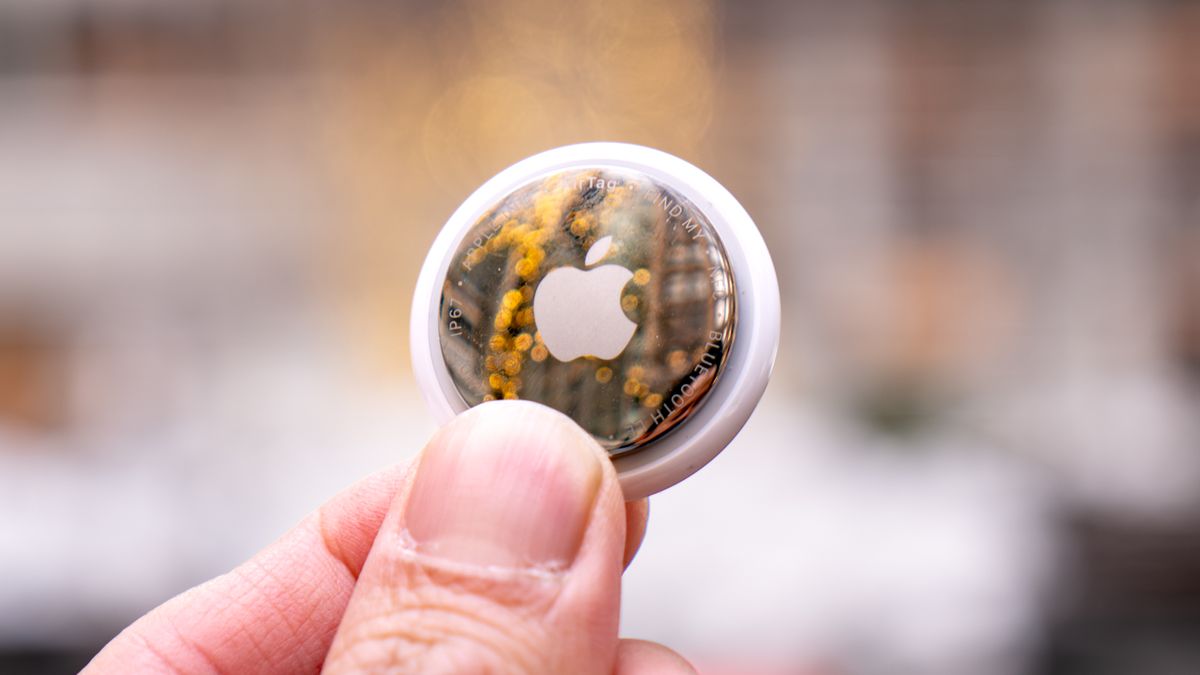
In MacRumors’ report on Apple device deals, many offers are already available ahead of the main sale day. Among the most notable discounts are the Apple Watch Series 12 for $329, down from $399; the Apple Watch SE 3 starting at $179; and the second-generation AirTag for $23, down from $29. The new MacBook Neo lineup is discounted by $50: the base model costs $649, while the version with more storage and Touch ID costs $749. The M5 MacBook Air is $250 off, and some Mac mini and Mac Studio configurations are also selling below their usual prices. The latest Studio Display models are discounted by up to $200, while the Studio Display XDR is up to $300 off.
However, the biggest figures in Apple’s coverage concern the iPhone and warrant a closer look. T-Mobile, AT&T and Best Buy are offering up to $1,200 off the iPhone 18 Pro, iPhone 18 Pro Max and iPhone Duo, but the maximum savings usually require trading in an old device and signing up for an eligible plan. In some cases, the money isn’t returned upfront; instead, monthly bill credits are applied over 36 months. This reduces the initial cost, but ties the buyer to the carrier and its service terms. Depending on the plan and the trade-in phone’s valuation, the actual savings may be considerably less than the advertised maximum.
IGN’s report on the Nintendo sale notes that the official promotion runs from November 22 to 29. Switch 2 games are up to 50% off, with deals on memory cards and, especially notably, the first official offer on the Switch 2 console itself. IGN contrasts this with PlayStation and Xbox, for which, according to the publication, no comparable console discounts appeared during this period. That means even a small discount on a device that has never before been included in an official promotion may matter more than the usual price cuts on games or accessories.
Tom’s Guide’s live coverage of Amazon’s sale illustrates the range of current offers: discounts apply to headphones, TVs, e-readers, smart-home devices, kitchen appliances and health products. For example, the Kindle Paperwhite is $129, down from $199; the Roku Pro Series OLED TV is $799, down from $1,199; and Bose QuietComfort headphones are $169, down from $359. Standout small and practical buys include the Blink Outdoor 4 camera for $23, a Roku streaming device for $19 and a Ninja air fryer for $79. The Apple Watch Series 12 and second-generation AirTag also appear at the same prices as in MacRumors’ roundup: $329 and $23, respectively.
Matching prices across independent roundups help show which discounts are widely available rather than one-off offers from a single retailer. Still, shoppers should check the exact configuration, color, seller and stock availability: MacRumors specifically warns that some watch models have limited options, while Tom’s Guide notes that certain devices may require additional components. For example, the Sync Module for the Blink Outdoor 4 camera is sold separately. A device with an especially attractive price may end up costing more if it needs extra accessories or a subscription to work fully.
A recurring theme in these reports is the shift from one main sale date to an extended season, with promotions launching early and changing over time. Shoppers don’t necessarily need to wait until November 27: some prices are already close to their all-time lows. But buying early doesn’t guarantee the price won’t drop further. MacRumors points out that new discounts could appear next week, while Tom’s Guide advises shoppers not to put off a purchase if the price is already good, to check the price history and to ignore artificial countdown timers. These tips aren’t contradictory: the point is to assess the specific price rather than follow the calendar or succumb to advertising urgency.
Another important trend is that the savings work differently across product categories. For accessories and many Amazon devices, retailers more often offer direct price cuts: shoppers can see the price and compare it with the previous one. Mobile carriers use more complicated arrangements involving a trade-in, a new plan, line activation and extended bill-credit payments. Under this model, a discount of up to $1,200 does not necessarily mean an immediate reduction in the amount due at checkout. It is the maximum potential savings if all the terms are met, so it can’t be compared directly with a straightforward store discount.
Some offers stand out precisely because they apply to new or rarely discounted products. MacRumors highlights deals on Beats 360 and MacBook Neo as unusual for those models, while IGN points to the first official offer on the Switch 2. Such promotions may matter more than big percentage discounts on long-established products: they give shoppers a chance to save on something whose price usually stays steady. At the same time, “lowest price” in these reports means the lowest price the authors had recorded at the time of publication, not a promise that it won’t change later.
The practical takeaway is simple: first identify the exact model and configuration, then check its price history and the terms of sale, and finally compare offers from different retailers. For carrier promotions, consider the plan, obligations over the credit period, trade-in requirements and how the credits are applied. For products on Amazon and other marketplaces, check the seller and what’s included. This approach helps distinguish real savings from a discount that looks impressive only because of an inflated original price or complicated terms.
Taken together, these reports show that Black Friday 2026 is less a single day of low prices than an extended period of competitive promotions. The biggest opportunities cover smartphones, watches, laptops, gaming devices and everyday electronics, but the discounts vary widely in structure. The key skill for shoppers in this situation is not simply finding the highest percentage off, but understanding how much they will actually pay and what obligations come with the purchase.