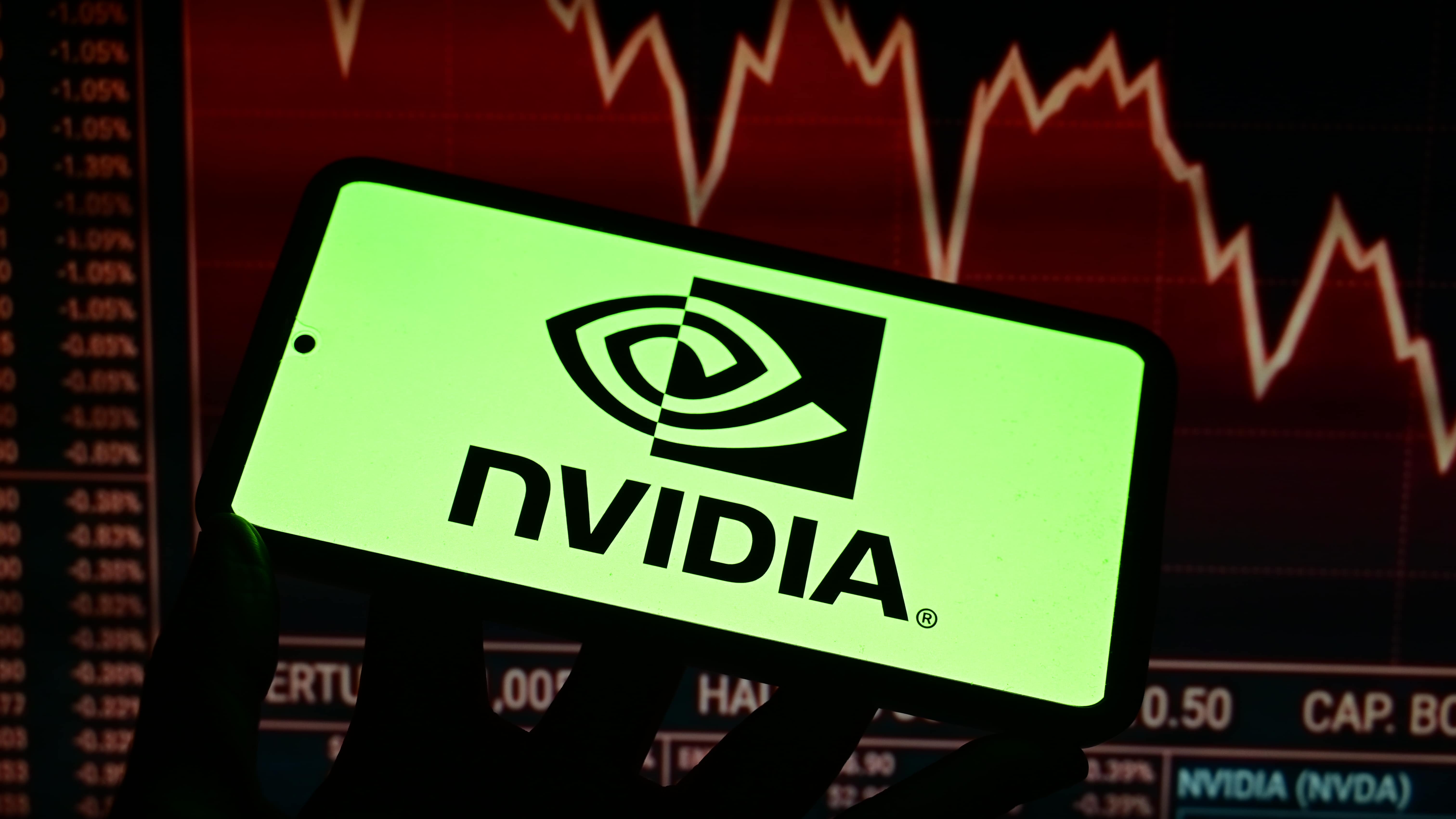
GTA VI is poised to become more than a major release: it could be a cultural event on the scale of a championship and a box-office blockbuster. But record preorders are driven by more than the series’ renown. A key part of its appeal is a carefully crafted, instantly recognizable game world. Coverage of GTA VI shows how Rockstar turns reporting and close observation of real life into the foundation of interactive entertainment. An article about Nvidia is not directly related to the gaming industry, but it offers a glimpse of a theme common to all the pieces: markets and audiences assess not only a product, but also the expectations built around it.
According to The New York Times, GTA VI may have amassed 15 million preorders ahead of launch, with the number expected to climb to 20 million. That would amount to nearly $2 billion in sales. By year’s end, Wedbush Securities estimates, the game could sell more than 30 million copies and generate $3 billion. It is coming out 13 years after the previous main installment in the series and takes players back to Vice City, a fictional, crime-ridden version of Miami.
One of the newspaper’s sources, New York University lecturer Joost van Dreunen, called the release a potential “biggest launch of any entertainment intellectual property in the history of humanity.” It is a bold claim, but sales figures are not the only thing behind it. GTA has long been a mass cultural phenomenon: a new installment becomes an occasion for collective discussion, close analysis of details, and comparisons of gaming experiences—much like a major sporting event or a global music release.
The hype is also fueled by Rockstar’s reputation as a studio that aims to make its open worlds not merely vast, but convincingly alive. In IGN’s account of Rockstar’s field research, former studio researcher Gregory Johnson recalls driving through Los Angeles neighborhoods while working on GTA V. On one occasion, he rode with police officers through an area where street lookouts warned residents about the patrol by whistling, while cyclists followed the car. “It was somewhere between location scouting and spying,” Johnson says. For developers, the value of such experiences is not the sensationalism: they help capture the feel of a place—its anxiety, tension, and unpredictability, which are hard to convey convincingly through reference materials alone.
According to Johnson, Rockstar’s research combined journalistic observation, cultural analysis, and firsthand encounters with the people and environments depicted in its games. He joined the company with experience in music journalism and a knowledge of hip-hop culture. His team studied subcultures, criminal communities, and popular culture, then passed the stories they found on to writers and designers. Some details became plots and characters; others turned into radio ads, TV shows, chance encounters, and background conversations among passersby.
Particularly telling is the practice of bringing in people with firsthand knowledge of the worlds being depicted. Johnson recalls that street characters brought in to record dialogue might correct a line: “We wouldn’t say it like that.” Even with thorough preparation, a real-life insider can pick up on current slang, inflections, and social nuances. That does not guarantee the game will perfectly match reality, but it helps keep the world from feeling like an artificial set.
For GTA VI, the team studied Miami and its surroundings, including from the air, and its research covered many aspects of city life—from street racing to prisons and law enforcement. Johnson says the goal was to give developers the necessary familiarity with specific areas of the future game world. This attention to detail may explain why audiences expect Rockstar to deliver not just a new map, but an environment in which events feel like part of one convincing, lived-in world. IGN also notes that the studio created a dedicated team to write lines for passersby: even incidental conversations are treated as part of the overall simulation.
This approach makes “authenticity” a production resource. The word is important here not as a promise of a literal copy of reality, but as a store of observations, details, and voices that make a fictional world feel believable. Rockstar reworks real-life impressions into art, but a gap remains between documentary material and the game: the world is fictional, and its criminal elements are part of the drama and satire. At the same time, using real stories and people calls for care: gaining access for research can be risky, and the portrayal of communities can shape how mass audiences perceive them.
This is where field research connects to the commercial scale of GTA VI. Years of work on the details reinforce the audience’s trust in the brand; that trust, in turn, builds anticipation, reflected in preorders and discussion before the game is even released. But projected sales do not prove that the game will live up to expectations. Above all, they show the strength of the brand and the interest built up over years of waiting. The higher the expectations, the more visible the gap will be between the experience promised and the one players actually get.
The article about Nvidia shows a similar dependence on expectations, but in the financial sphere. In a Yahoo Finance article, analysts at UBS and Bank of America argue that the company’s sharp share-price decline reflects excessively pessimistic assumptions about its future. UBS describes the scenario priced into the stock as “extremely harsh”: as if the peak will come in 2028, growth will stop afterward, and profitability will decline significantly. Bank of America also notes that the shares are trading at a steep discount to competitor Broadcom and sees room for a recovery.
This financial story cannot be directly equated with expectations surrounding GTA VI: it concerns a different industry, different risks, and different metrics. In addition, the Yahoo Finance article contains internally contradictory claims about Nvidia’s leadership—particularly assertions that Jensen Huang was supposedly ousted and an interim CEO appointed. Those claims should therefore be treated as part of that article, not as independently verified facts. But in a broader sense, both cases show how powerfully assessments depend on the future: investors debate Nvidia’s growth and earnings prospects, while players wonder whether GTA VI can live up to the exceptional status already bestowed on it.
The main takeaway is that today’s entertainment products sell not only their content, but also the belief in the quality of their creation. GTA VI’s expectations are backed by Rockstar’s reputation and extensive research; when financial analysts assess Nvidia, they compare the current share price with assumptions about future earnings. In both cases, expectations become a force in their own right, capable of influencing the behavior of audiences and markets. That is precisely why it is important to distinguish confirmed results from forecasts: record preorders do not yet tell us how successful the game itself will be, just as a low share valuation does not automatically prove that a company is undervalued.
```html