
When people think of Seattle’s music scene, rock and pop stars usually come to mind. But the city also has a quieter yet vibrant movement — a community of young jazz musicians and listeners. Although jazz is rarely associated with mainstream youth culture, it resonates with a new generation that values live, improvisational communication through music.
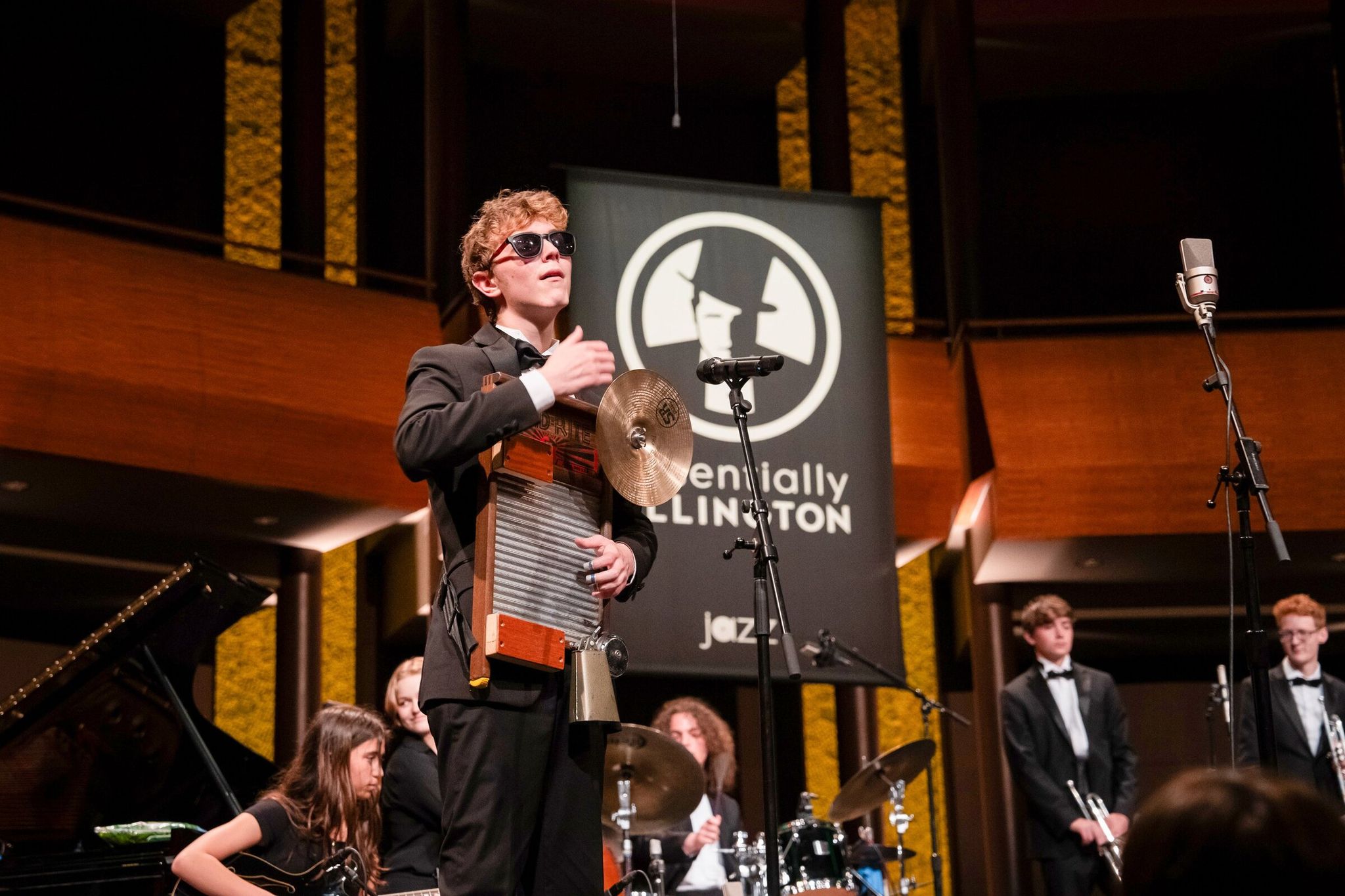
Young people discover jazz through school programs, community organizations, and venues that emphasize personal participation. A prime example is the program at Roosevelt High School led by trumpeter Michael Van Bebber. Its jazz band has been selected 24 times to participate in the prestigious national Essentially Ellington competition, a record. The teacher notes that his students’ passion for music goes far beyond required rehearsals. Educational initiatives like the nonprofit Seattle Jazz-Ed actively partner with public schools, enriching the standard curriculum through after-school programs, master classes, summer camps, and mentorship from professional musicians.
For many young musicians, jazz’s appeal lies in freedom of expression and emotional depth. “In jazz you’re aiming more for the emotion than for the perfectly played note,” says Bailey Taylor, the drummer in Highline High School’s jazz band. That approach allows priorities to be set differently than in classical music education.
Seattle’s jazz scene has deep historical roots that reflect the city’s multicultural past. Since 1918, Washington Hall in the Central District hosted local ensembles, laying the groundwork for the jazz boom on Jackson Street. That street became a jazz epicenter in the early 20th century due to historical segregation that concentrated African Americans in the Central District, as well as the abundance of clubs and convenient location for West Coast musicians. In the 1920s and ’30s, during Prohibition, Black musicians and audiences gathered in underground clubs, creating a unique culture that became central to social life. Redlining and restrictive covenants artificially limited where Black people could live, resulting in a dense, tight-knit Central District community that became a natural incubator for cultural institutions, including jazz clubs. Beyond music, the neighborhood was a historic center of the African American community, the birthplace of civil rights movements, Black press, and significant civic organizations.
That history continues to influence the modern scene but does not confine it. Trumpeter Thomas Marriott, founder of the nonprofit Seattle Jazz Fellowship, emphasizes that jazz is, above all, a performing art focused on building community. The Fellowship, created in 2021, aims primarily to remove barriers to access to live music.
The organization holds concerts in the Pioneer Square area that are open to all ages. Entry is donation-based, with no mandatory minimum purchase or pricey tickets. “If you want to hear quality jazz, you can literally pay a dollar and get in,” Marriott says. This creates a space where young people can simply enjoy the art in its most authentic form.
Accessibility is a key factor in sustaining young people’s interest, says saxophonist and educator Steve Treseler. He works with Seattle Jazz-Ed, which provides affordable jazz education. “Jazz is social music,” he explains. “You learn it by playing with other people, by listening and building relationships.”
As in the era of underground clubs, jazz’s vitality in Seattle has never depended on mass popularity or money. “If the only metric of value is the number of tickets sold, that’s a pretty meager standard,” Marriott notes. Jazz exists because of a cohesive community — a place where musicians can play and audiences of different generations can feel the rhythm and connect.
As long as young people continue to take lessons, join jams, and attend concerts, jazz in Seattle will remain a home. “When we think about jazz, it’s a blending of the past, present, and future in a single moment,” Marriott says. It is that moment, he believes, that young Seattle musicians are learning to carry forward.
Based on: How young Seattle musicians celebrate jazz culture