
In the Yakima River basin — rightly called Washington state's "fruit basket" (it produces about 75% of the region's agricultural output) — the Roza Irrigation District for the third consecutive year has been forced to shut off water deliveries for agricultural use at an early stage of the growing season. This unprecedented measure is intended to conserve water resources ahead of a summer drought that forecasters expect will be especially severe. The district supplies water to roughly 72,000 acres of apple orchards, berry fields, and acres of cherries, peaches, pears, and corn.
The economic importance of the Yakima basin is hard to overstate: its agricultural output brings in about $4.5 billion annually. In addition to apples and grapes, pears, sweet cherries, hops for brewing, mint, sweet corn and asparagus are grown here. A unique combination of a long sunny summer, glacial soils and efficient irrigation creates ideal conditions for premium apple varieties such as Gala and Fuji, which are then exported to Asia and Europe. But water problems in this region serve as an early warning of how severe drought could become for the entire state.
The main cause of the crisis is the catastrophically low snowpack this winter, explains Roza Irrigation District manager Scott Revell. Mountain snow acts as a natural reservoir, slowly feeding rivers with meltwater through June. But this year the snow melted well ahead of schedule, especially in the Yakima basin and the Olympic Mountains. About 80% of the region’s streams are not connected to reservoirs, so rain that might help is effectively lost. Building new reservoirs faces serious obstacles: environmental laws and tribal water rights require lengthy approvals because dams destroy salmon spawning habitat. Disputes among farmers, environmentalists and hydroelectric interests have stalled solutions for years — for example, the Yakima Basin project proposed back in 2014 still hasn’t been implemented due to lawsuits.
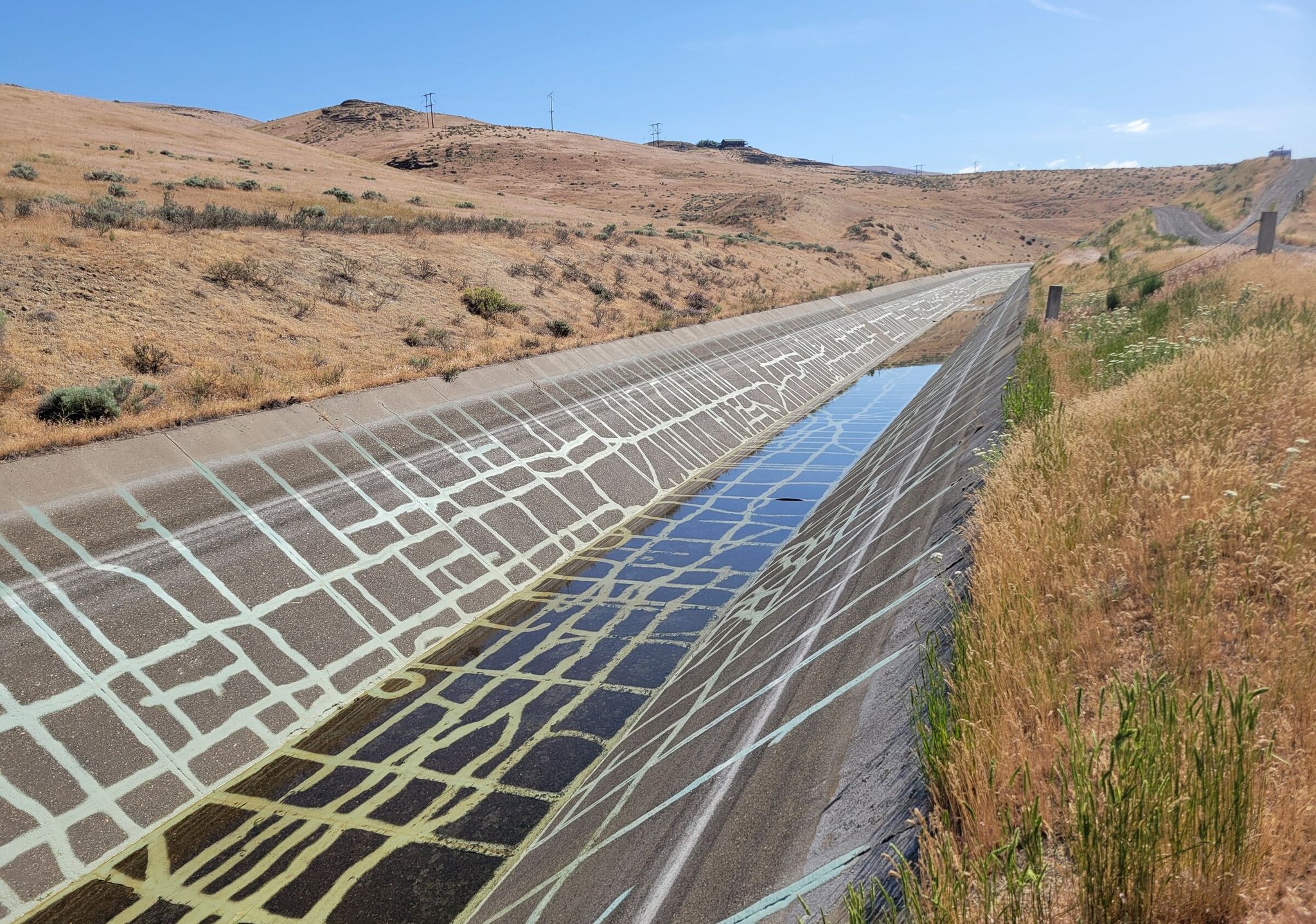
To avoid completely depleting supplies over the summer, Roza shut off water for 10 days (possibly longer) for its 95-mile irrigation system. When crops can still withstand a temporary dry spell, that strategy saves millions of gallons of water. Revell notes that this used to be a rare measure, but since 1994 it has had to be used seven times. He hopes to stretch supplies through the end of September — a critically important deadline for grape growers.
Water shortages threaten not only agriculture but entire cities. Yakima, Union Gap and Sunnyside — whose water supplies depend on the river — face potential outages. State officials declared a fourth consecutive drought emergency, which unlocked only about $3 million in emergency project grants. That is disastrously little: last year the drought was so severe that officials banned the withdrawal of surface water across the Yakima basin. In a hot summer, household water could be cut off, schools and hospitals may close, and residents are already forced to buy bottled drinking water. Lawn watering is completely banned — a serious blow for a region where average summer temperatures reach 100°F (38°C).
Governor Bob Ferguson has ordered a series of roundtables across Washington to discuss both current problems and future challenges. Farmers’ main proposal is increased water storage capacity. But any infrastructure projects require huge funds and many years to complete. None of them will be ready in time for the peak of summer drought.
Climate change is making the situation worse: summers are getting hotter, longer and arriving earlier. Combined with low snowpack, this means Washington’s cities, farms, fisheries and wildlife are experiencing increasing water stress. Salmon spawning — an iconic part of the Pacific Northwest — needs cold flowing water, but drought lowers river levels and raises temperatures. When the Yakima warms above 68°F (20°C), salmon die in large numbers from stress and disease. For the Yakama tribes, salmon are not only food but also part of spiritual culture: their disappearance undermines centuries-old traditions. With the first day of summer still weeks away, the region is already bracing for serious consequences — from wildfires to ecological catastrophe.
Based on: Yakima River farmers accept early water cuts as drought deepens