
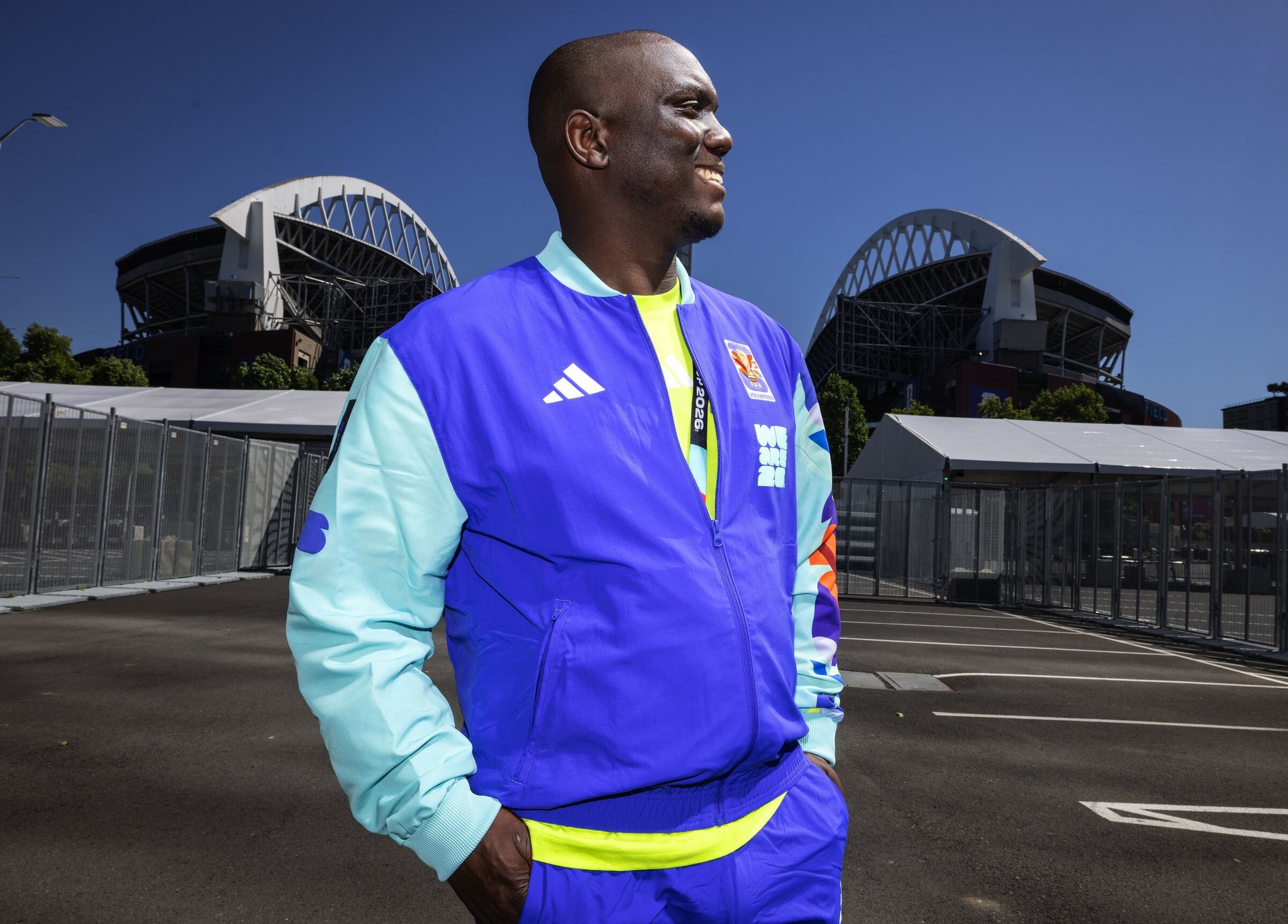
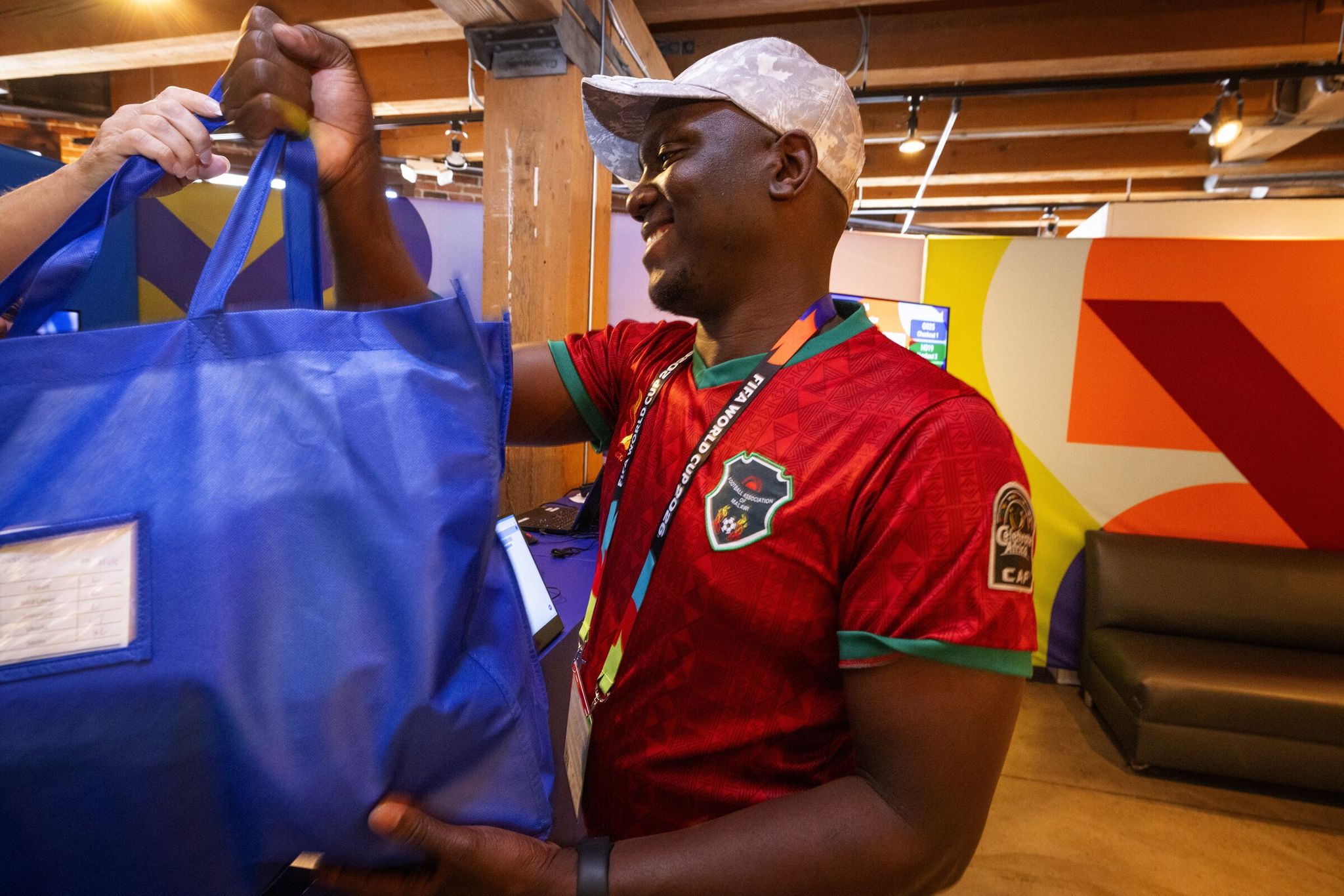
Oscar Singini, a 32-year-old certified nursing assistant from Everett — a city about 40 miles north of Seattle that is a significant center for the African diaspora, especially people from Somalia and Ethiopia — once watched World Cup matches on TV in Malawi, far from the roar of stadiums. Now, three years after moving to the U.S., he is preparing to be part of the big event as a volunteer. Singini was selected as one of 2,000 volunteers for the 2026 World Cup in Seattle, where he will help fans navigate the city.
Seattle will host six tournament matches at Lumen Field (temporarily renamed Seattle Stadium), located downtown near the International District and historically diverse neighborhoods. For the 2026 World Cup this is symbolic: the stadium has already hosted major soccer matches, and its proximity to African and Middle Eastern communities underscores the event’s multicultural character. Among the matches is the high-profile U.S. vs. Australia game on June 19. The only African team playing in the city is Egypt — they will face Belgium on June 15 and Iran on June 26. For many people from Africa living in Washington state, the event goes far beyond sport.
“I’m incredibly happy to be part of such a global event,” Singini says. “I feel honored to have been chosen from such a competitive pool and excited to help welcome fans from around the world.” Interest in volunteering was enormous: 35,000 applications were submitted for 2,000 spots in Seattle, said Hana Tadesse — director of SeattleFWC26, a community initiative representing the interests of local African and immigrant communities in World Cup preparations. The group advocates for locals, especially from minority communities, to get economic benefits from the tournament.
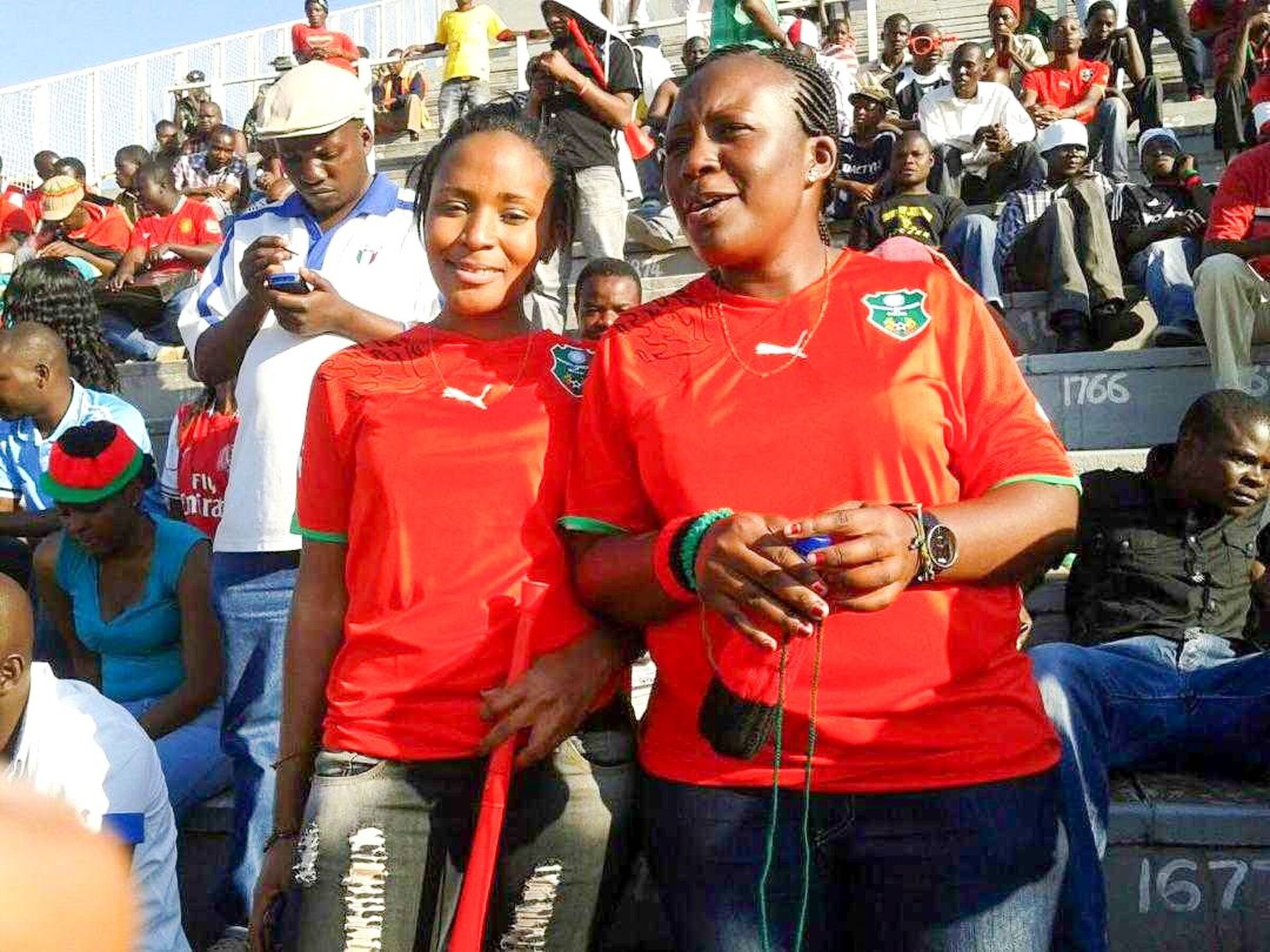
Emily Duwa, a nursing assistant from Seattle, is also originally from Malawi. She has already bought a ticket for the Egypt vs. Iran match. “Being in the U.S. and being able to see the World Cup in person is an incomparable experience,” she says. “I’m so excited to go to the stadium, meet and talk with different people.”
Duwa notes that moving to America can be a dream come true, but it depends on how a person uses available opportunities. Immigrants often must make a tough choice: work in healthcare, where jobs are easier to find, or pursue higher-paying sectors like tech. This is not unique to Seattle, but it’s particularly visible here because of the dominance of giants like Amazon and Microsoft. Many immigrants work in high-tech, where wages are high, but healthcare is often tied to employers and access to affordable medical care remains a problem, especially for temporary workers and low-wage immigrants. “Living in a city hosting the World Cup is exciting,” she adds. “The atmosphere of being in the same city with the world’s best players fills you with pride.”
Abdou Kadre from Senegal, who works as a security guard in Seattle, is especially enthusiastic about the increased number of African teams at the tournament: in 2026 there will be 10, double the number in Qatar in 2022. He believes the continent can challenge the world’s powerhouses. “After Morocco made it to the semifinals in 2022, many believed an African team could seriously contend for the title,” Kadre says.
At the same time, like many fans, he worries that not everyone will be able to afford tickets. “We have only one problem,” he admits. “Tickets are very expensive.” Kadre plans to follow the tournament remotely but is glad African football is getting such attention. He singles out Morocco, which changed the world’s perception of African soccer.
Dira Drammah, born in Gambia and living in Seattle for 30 years, says this year is unique. Although he hasn’t yet bought tickets, Drammah is sure he will watch at least one match in person — depending on his work schedule. For him, soccer is a family legacy: “I have relatives who play internationally, though they won’t come here. I’m especially looking forward to Cabo Verde’s performance.”
Drammah, who works in delivery, also sees the World Cup as a business opportunity: “The city will come alive, which means more orders for our sector, the hotel industry and other businesses.” For him, as for many, moving to the U.S. has already fulfilled one dream, and now Seattle offers a second — getting closer to a tournament they once only watched from afar. About 300,000 African immigrants and their descendants live in Washington state. The most visible communities are from Somalia, Ethiopia, Eritrea and Sudan, as well as people from West African countries (Nigeria, Ghana). In Seattle and Everett these communities have established cultural centers, religious organizations and businesses.
“I’m from Africa,” says Oscar Singini, “and I will be at the center of the world stage right here in Seattle.” He bought a ticket for the Egypt vs. Iran game and eagerly anticipates connecting his life in America with his childhood passion for soccer. For Singini and thousands of others in the African diaspora, the World Cup in Seattle has become a symbol that even the boldest dreams can come true.
Based on: Why World Cup is a dream come true for Seattle’s African diaspora