
Pacific Place mall, located in the heart of Seattle, faced a mass exodus of tenants and a drop in foot traffic after the pandemic. This symbol of the city's retail struggles is now being looked to as a sign of revival: its renovation and the attraction of new anchor tenants like Apple and Nike reflect investors' faith that people will return downtown. Beginning June 15, Pacific Place will become the "Seattle Soccer House" — a free gathering spot with a four-story screen to broadcast matches, plus entertainment and food. Although the area around the mall is buzzing, the mall itself is nearly empty of shoppers — store owners are hoping the World Cup will change that.
Rini Choudhury, owner of Enchanted Teas, which specializes in butterfly pea flower tea, admits most visitors come to the center only for the Din Tai Fung restaurant or the movie theater. Her business, inspired by memories of her grandmother's garden in India, opened in November 2024. After the holiday rush in January, sales fell sharply, and Choudhury has yet to meet her financial goals. While she calls the situation "scary," she is preparing for the World Cup: switching the shop to hot and cold tea service, including a signature color-changing butterfly pea flower refresher in honor of Pride Month. Seattle Pride Month is known for hosting some of the largest LGBTQ+ parades in the U.S., running from June into July, and local businesses are actively adapting their products for the occasion — releasing limited items and special menus to show support for inclusivity. Choudhury is already recruiting seasonal staff to handle the influx of customers she expects will be ten times the normal volume.
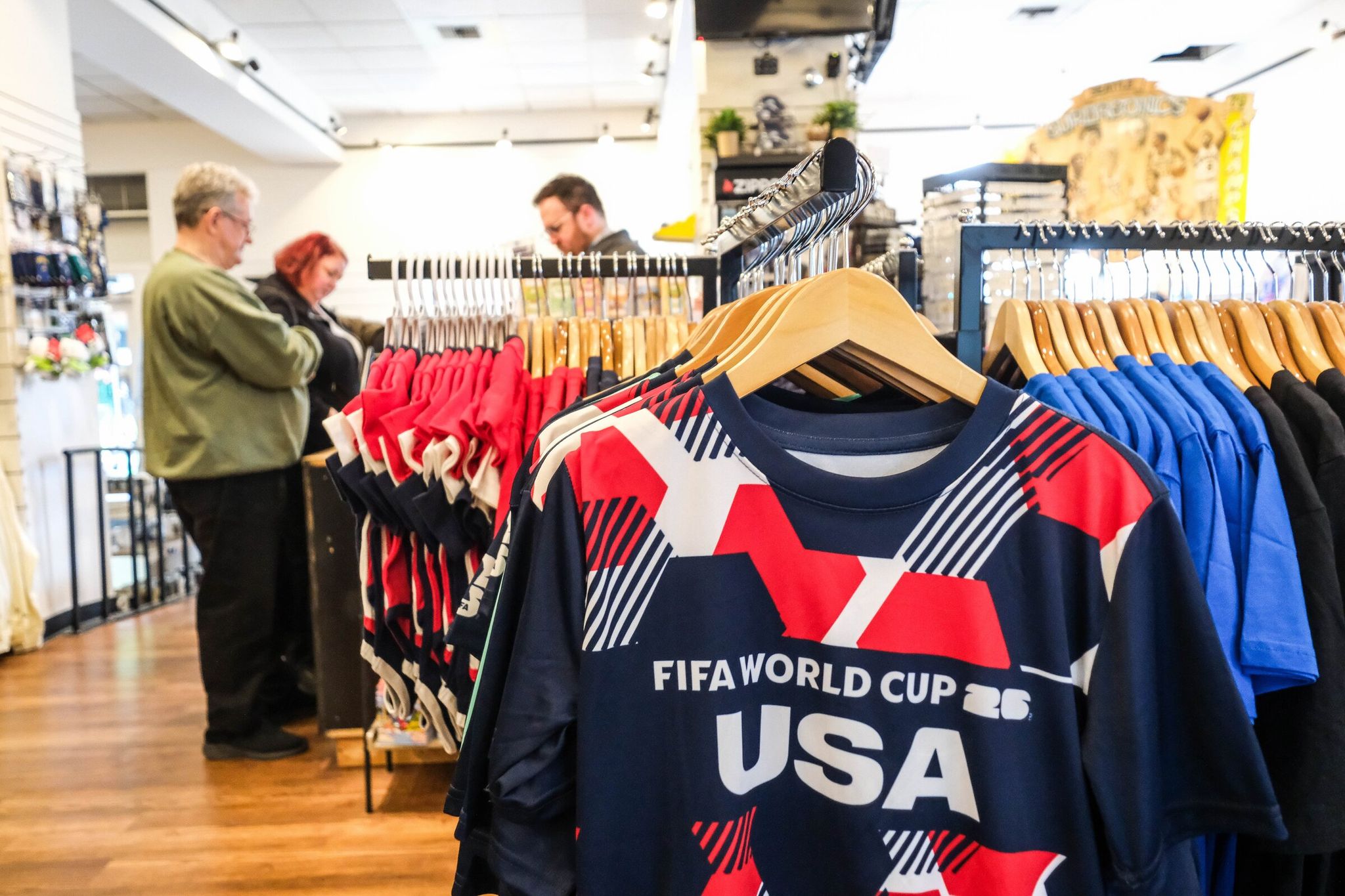
"This will probably never happen again in our lifetimes — preparing for the World Cup in Seattle," says Jamie Manson, owner of Simply Seattle. "For us, it's partly a shot in the dark." His company, which sells Northwest sports gear and souvenirs, has reworked stores and expanded storage to cope with potential demand. The Simply Seattle team spent the last year ordering merchandise: from standard tournament gear to U.S. national team shirts and host-city souvenirs. The most popular item so far is a killer whale design by artist Shogo Ota from Camano Island, who belongs to the Sauk-Suiattle tribe. The design is deeply symbolic: the orca, which lives in Puget Sound waters, is revered by Indigenous peoples as a totem animal representing strength, family and harmony with the sea. Including his work on souvenirs underscores a desire for inclusivity and respect for local heritage, appealing to locals proud to host the games and tourists wanting a keepsake of their time in Seattle.
Brian Hale, owner of Gameday Sports Shop near Lumen Field, is preparing for "a very heavy influx, especially on match days." His shop is already stocked with FIFA shirts, national team kits and scarves, and a replica World Cup trophy sits by the register. "Shipments are arriving almost daily — we're bringing in a little of everything, or rather, a lot of everything," Hale laughs, planning to put merchandise out on the street during games. Patrick McAleece, owner of the Irish restaurant Kells in Pike Place Market, has been waiting for this moment since 1994, when the U.S. last hosted the tournament. He launched his own line of souvenirs — from caps to wine thermoses — and is already getting orders from around the world. "I want the world to see Seattle as it is: a vibrant and very beautiful city," he says. McAleece, raised in Seattle and born in Belfast, believes the city has a rich soccer culture. His restaurant, founded by his parents in 1983, is just a 30-minute walk from the stadium. He plans to open early in the morning and close only after late matches end.
Business owners are full of hope, though they acknowledge uncertainty. Manson expects sales to rise 10–30% — the tournament coincides with peak tourist season when the city hosts cruise passengers, summer travelers and baseball fans. In summer, Seattle is a key port for Alaska cruises, running May through September, and T-Mobile Park draws thousands of Seattle Mariners fans. These parallel events amplify foot traffic but also strain infrastructure — the World Cup could add 100,000–200,000 visitors per day, risking hotel shortages, higher prices and transport disruptions. For small businesses, risks include labor and inventory shortages, and some entrepreneurs fear big chains will capture the main profits.
Choudhury believes tea is "one of the most universal languages" that will help connect with guests from around the world. Hale is confident the preparations will pay off: "Sales will be astronomical." And McAleece hopes to create "something truly special" for a city hosting such a major event for the first time. For Seattle, the World Cup is more than a sporting tournament — it's a chance to reboot the downtown economy, draw global attention and prove the city can be a welcoming host. Businesses know it's a "shot in the dark," but they're willing to take the risk for a unique opportunity that may never come again.
Based on: World Cup a ‘shot in the dark’ for Seattle, but many businesses hopeful