
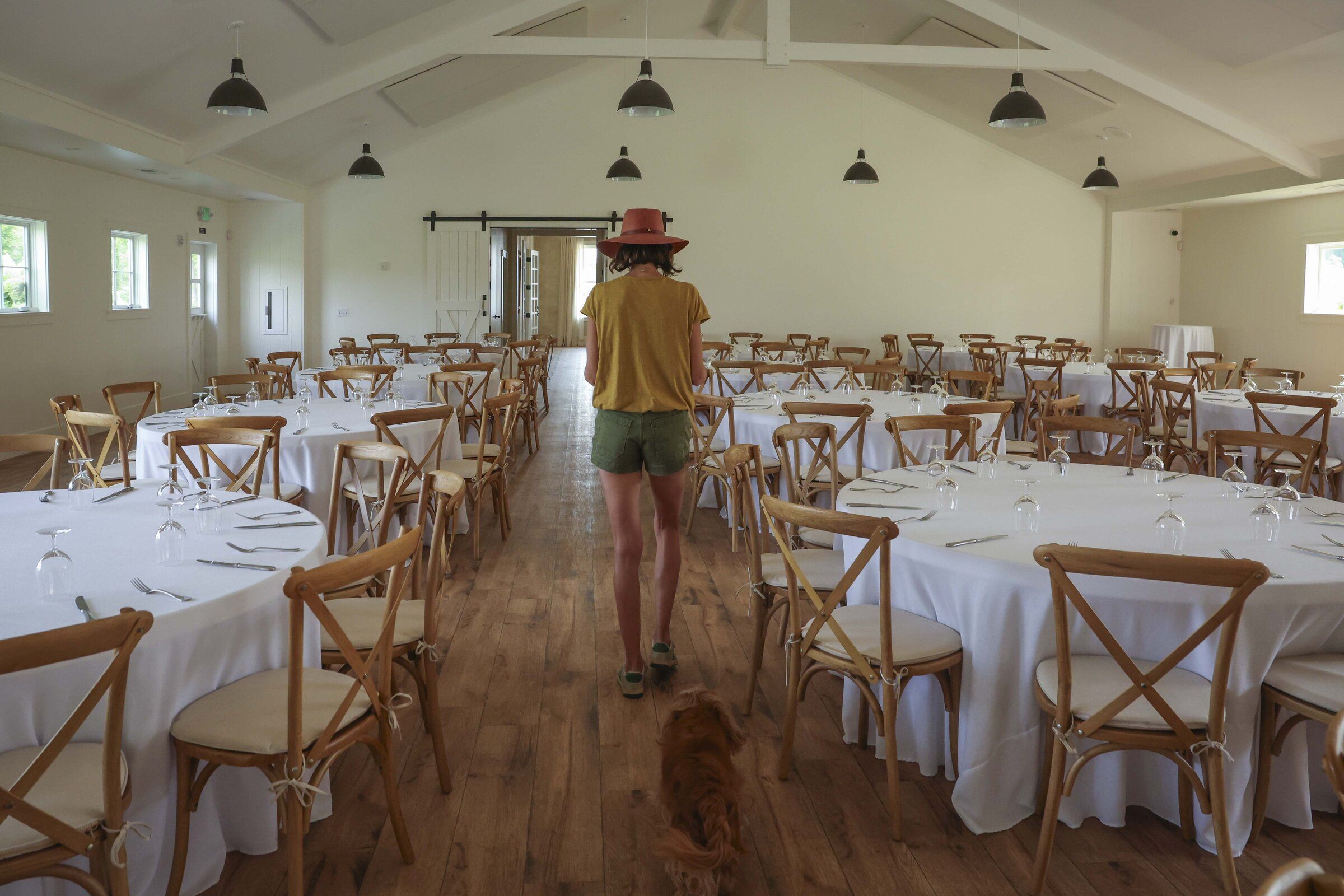
Empty hotel rooms, nearly deserted tennis courts and vacant parking lots show how wildfires have battered businesses around Lake Chelan, one of Washington state’s main tourist destinations. Jaclyn Yeh, co-owner of Harmony Meadows Tennis Resort in Manson, says the company has not made a dime since the fires began and that all local businesses are struggling.
The region has been shrouded in smoke from the roughly 148,000-acre Little Giant Fire. As of Tuesday, the fire was only 21% contained and had destroyed at least 35 structures. The nearby Stormy Mountain Fire added further danger and smoke. Thirteen major fires were burning across the state, and nearly 1,400 fires had been reported since the beginning of the year.
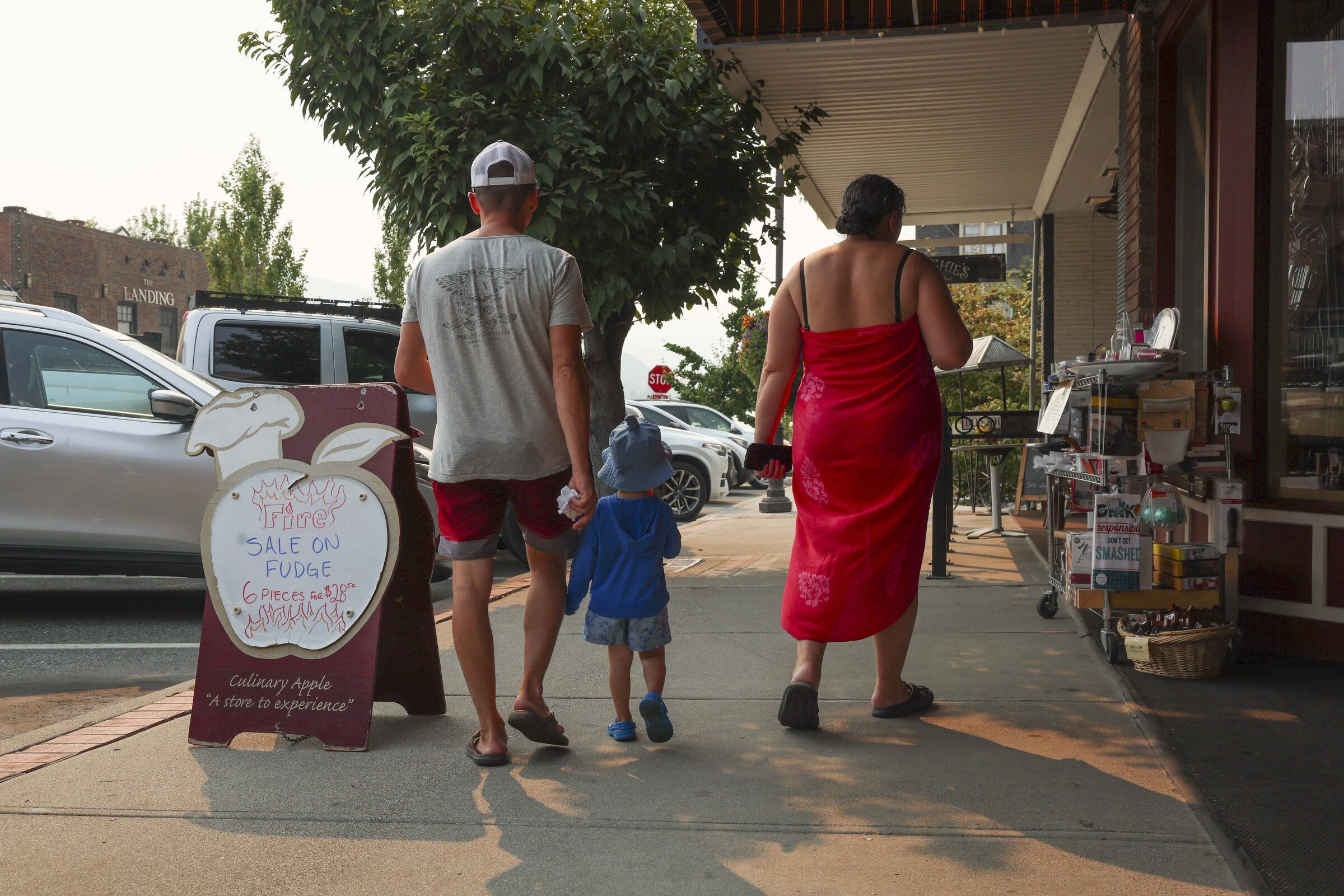
Even after fires are contained or extinguished, smoke can linger in the air when winds are light and a temperature inversion is present. It reduces visibility, leaves a smoky odor and raises concentrations of fine particles, making outdoor recreation unpleasant and potentially hazardous to health. Evacuation orders were in effect west of Lake Chelan, and many tourists canceled their trips.
Chelan Mayor Erin McCardle says the effects of a fire continue even after it is extinguished: Smoke means canceled trips, fewer visitors and serious losses for businesses and workers who depend on tourism.
For local companies, losing summer revenue is particularly dangerous. Eastern Washington receives most of its tourists during the warmer months, and during the short season businesses earn a significant share of their annual income — money needed to cover expenses and retain employees through the winter. The area is still recovering from the Pioneer Fire, which occurred two years ago and required roughly $100 million to suppress.
Lake Chelan Boat Company co-owner Brun Garfoot warns that a weak peak season makes the off-season much more difficult. His company transports tourists, groceries, mail, fuel, medicine and other necessities year-round to remote Stehekin, located in the hard-to-reach northwestern part of the lake and largely disconnected from the road network. But the boats were carrying only about 25% of the usual number of passengers headed there.
Some activity continued on the lake: Boats moved across the water, while visitors sunbathed and floated on inflatable tubes. But on a hot August day, there were noticeably fewer people than expected, and smoke obscured the mountain scenery. Garfoot, who grew up in Stehekin and became an owner of the company in 2019, is hoping for better weather and less smoke in September.
The business is also dealing with other problems, including the large amount of timber left in the lake after destructive floods in December. The company, founded in 1889, has already weathered the COVID-19 pandemic and the Pioneer Fire, but Garfoot calls this season exceptionally difficult.
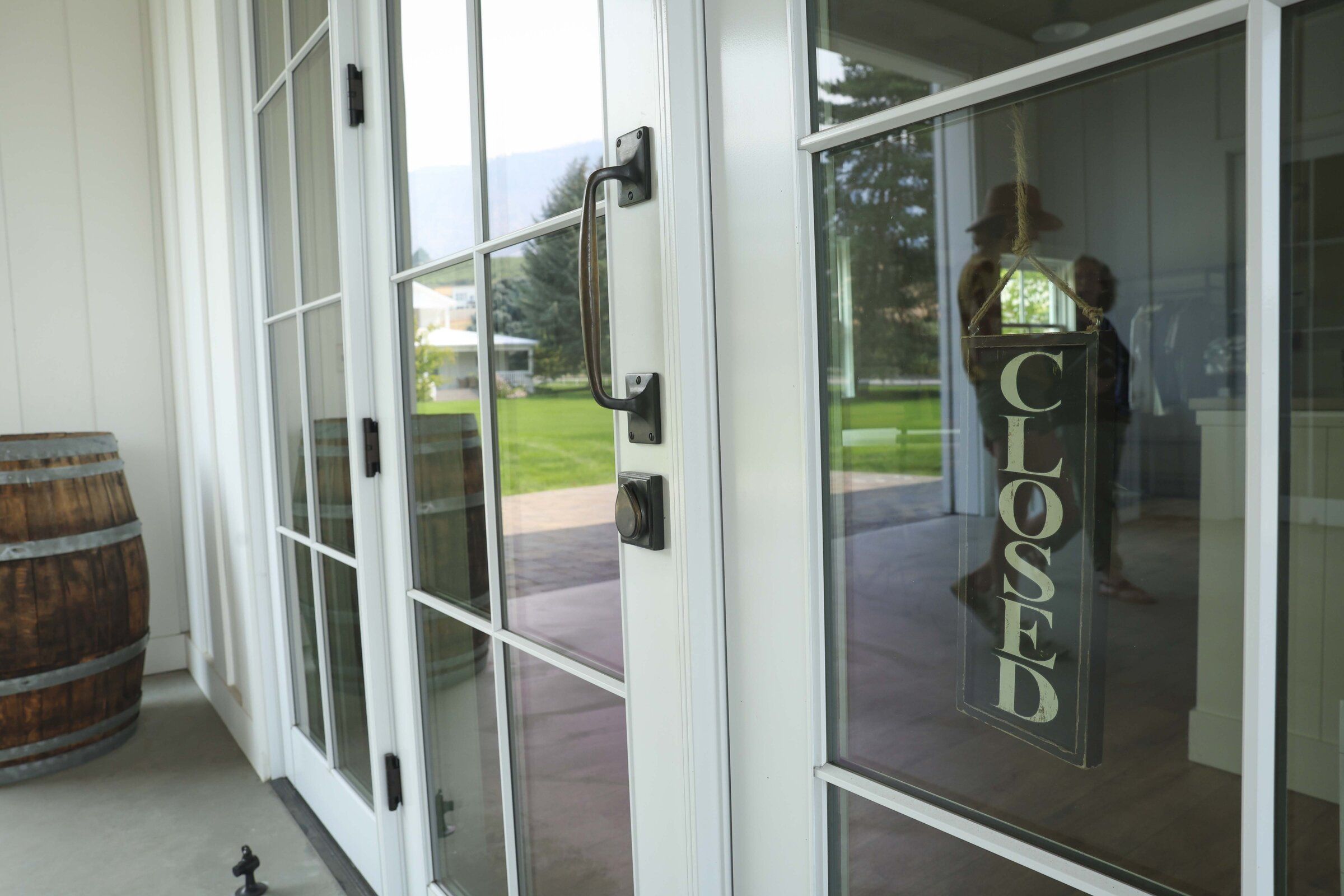
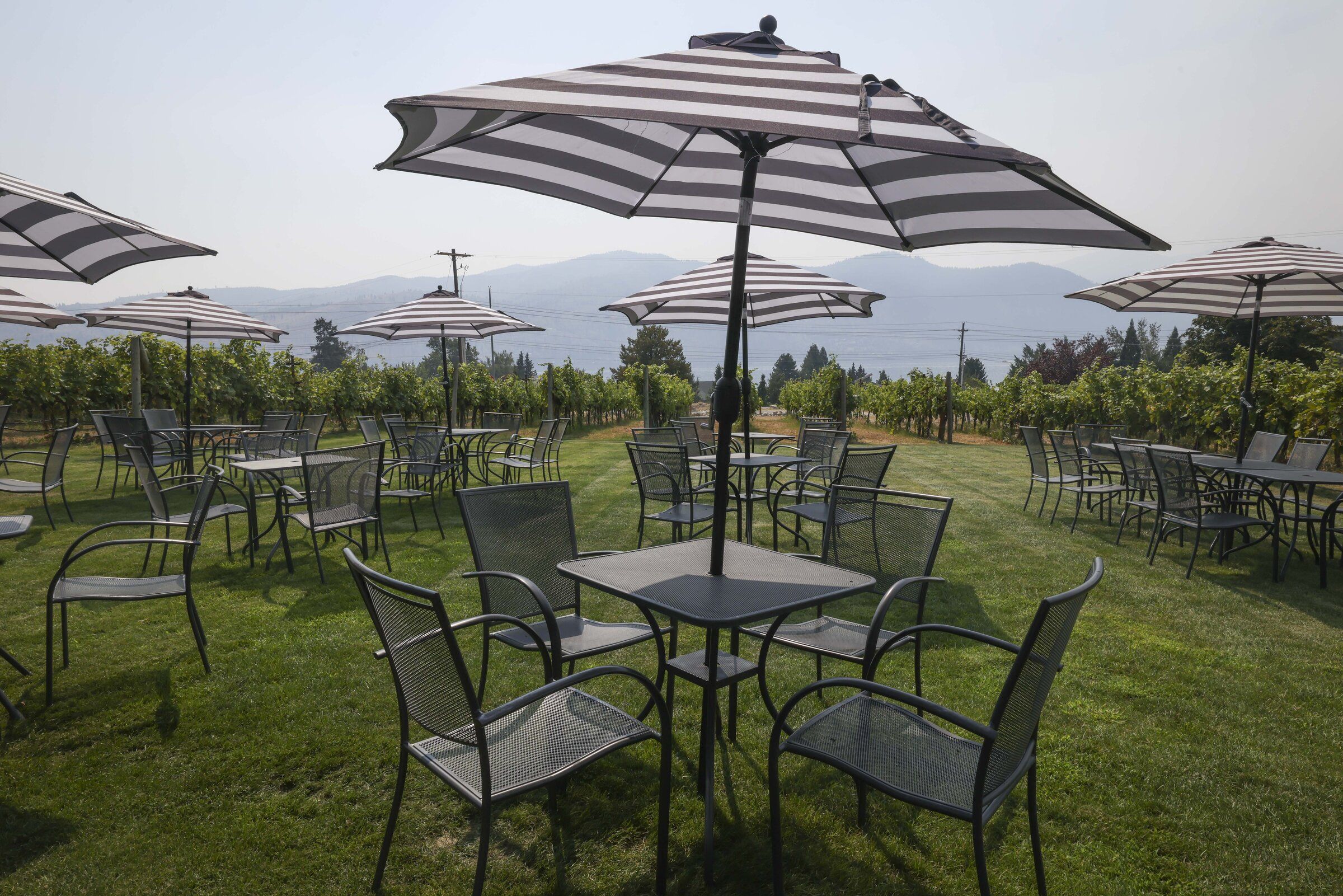
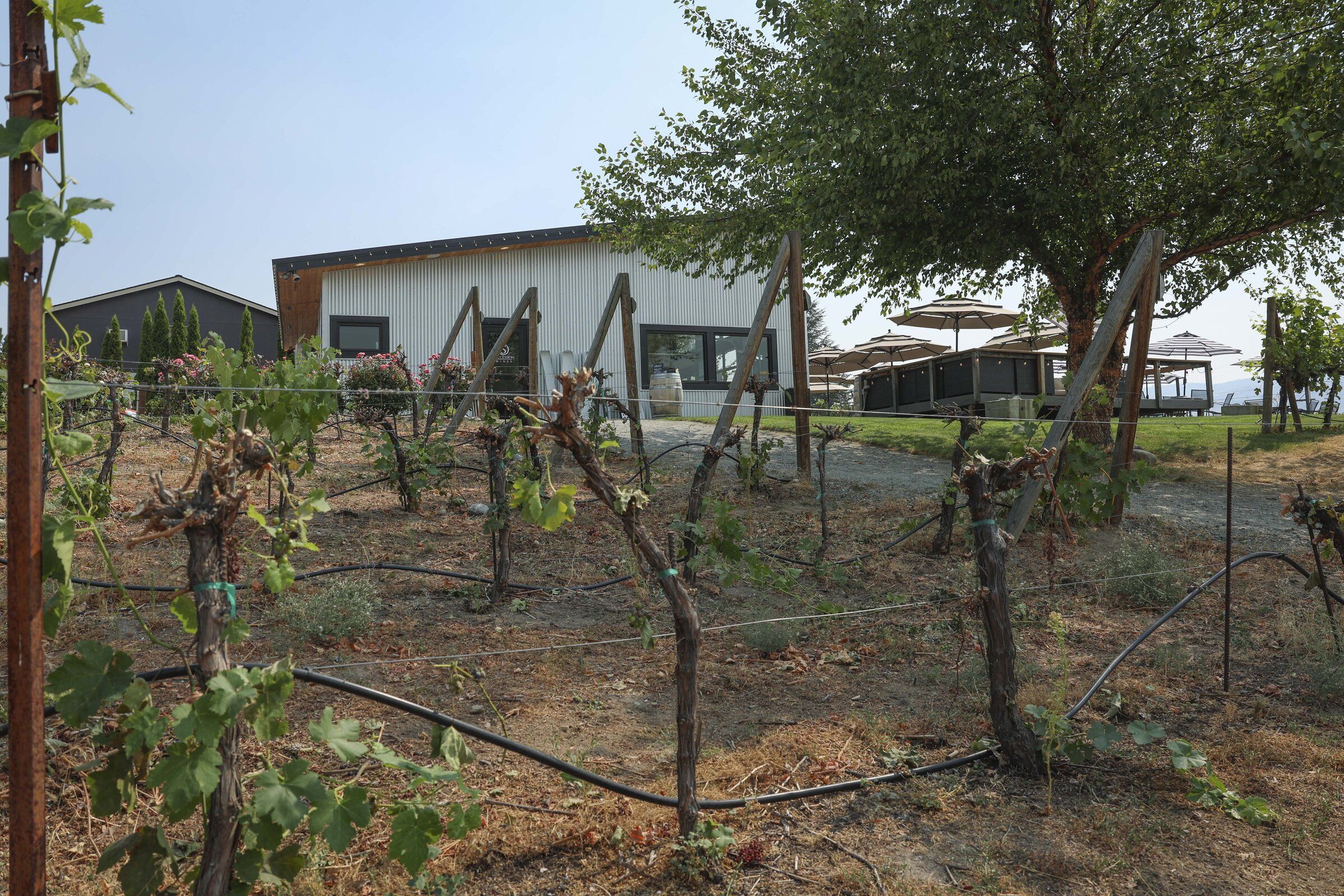
Other businesses were nearly empty. At Succession Wines, outdoor tables sat vacant even as grapes ripened on the vines. At Harmony Meadows, which typically hosts weddings, tennis camps, classes and private lessons, guests canceled all their bookings and no one signed up for courses. The owners had to close the Love-All Café, lay off employees and end one worker’s internship early.
Jeremy and Jaclyn Yeh bought the former Banjo Creek Farms in 2015 after working in the technology industry in the Seattle area. They created a resort with tennis courts and 13 hotel rooms that operates from May through September, but they are now seeking a buyer and want to spend more time in California. The failed season has made the sale more difficult: Potential owners would find it hard to take on a family business that is not generating revenue.
The Zanika Lache Camp on Lake Wenatchee was also affected, with most of its summer program canceled because of hazardous air quality. In late July, the air quality index reached about 900, compared with a safe range of 0 to 50. Readings above 300 are already considered hazardous for everyone, while a reading of around 900 indicates extremely polluted air capable of causing eye and respiratory irritation, asthma attacks, reduced lung function and cardiovascular complications. In such conditions, campers and outdoor workers need to limit time outside and follow instructions from authorities.
One camp session ended a day early, another was canceled after two days, and two more had to be canceled entirely. This cost the nonprofit organization about $199,000 in revenue. Its leaders are raising money for salaries and expenses, hoping to keep the camp operating through next summer. But across the region, business owners and nonprofit leaders are unsure whether they will be able to make it through the winter after so many cancellations.






Based on: Some Lake Chelan businesses ‘haven’t made a dime since the fires’