
Adriana Gonzalez, a Mexican citizen and the wife of 36-year-old Jefferson County resident Vincent Short, is trying to obtain permission to enter the United States to say goodbye to her husband at his funeral in Poulsbo. An open-casket service is scheduled for Aug. 22, but federal authorities have already rejected her requests twice.
Poulsbo is in Kitsap County, not Jefferson County. The funeral site was likely chosen because of Short’s family, religious or community ties, although relatives did not specify the reason. For a family connected to several parts of the state, the city became the place for the farewell ceremony.
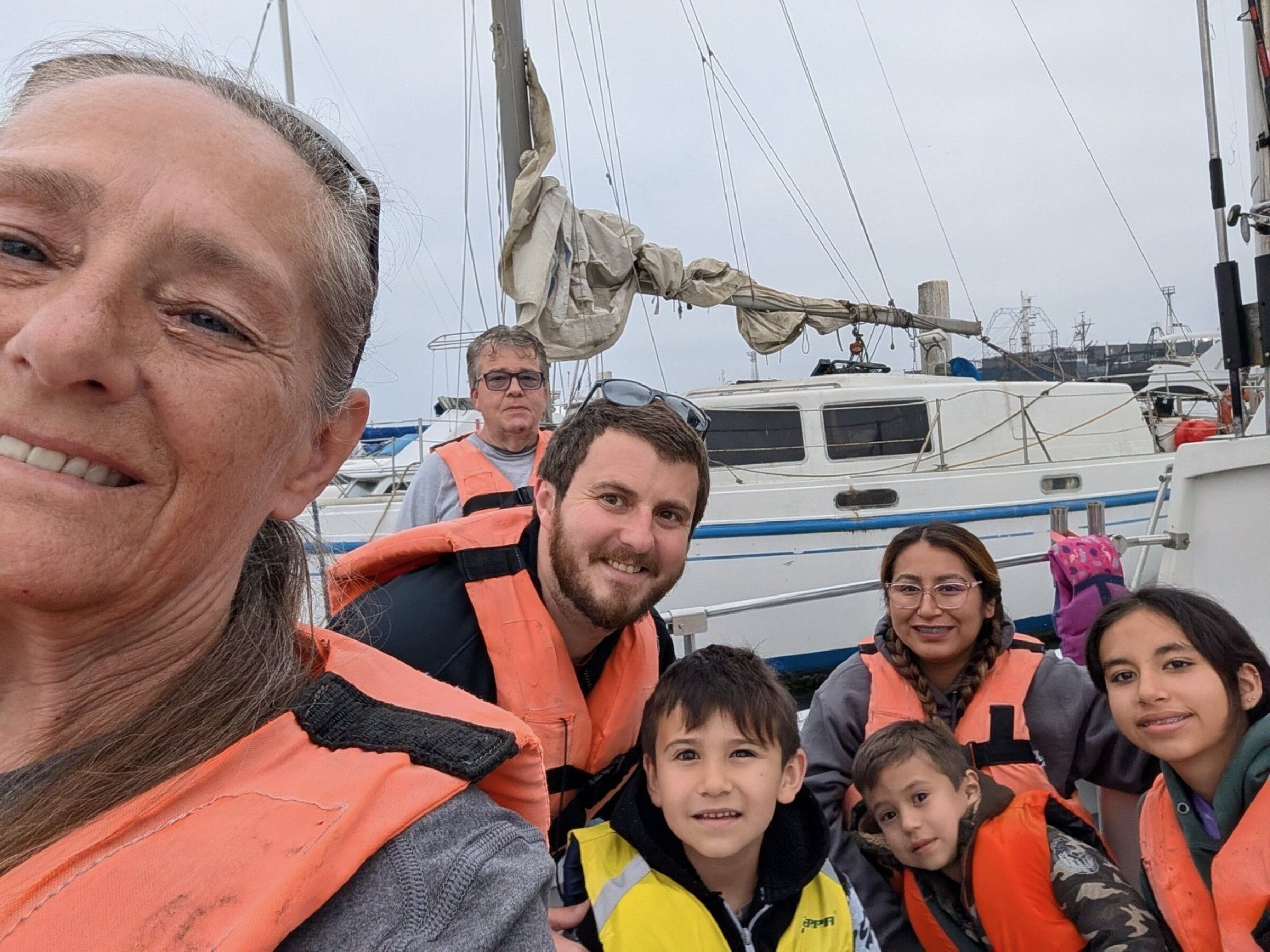
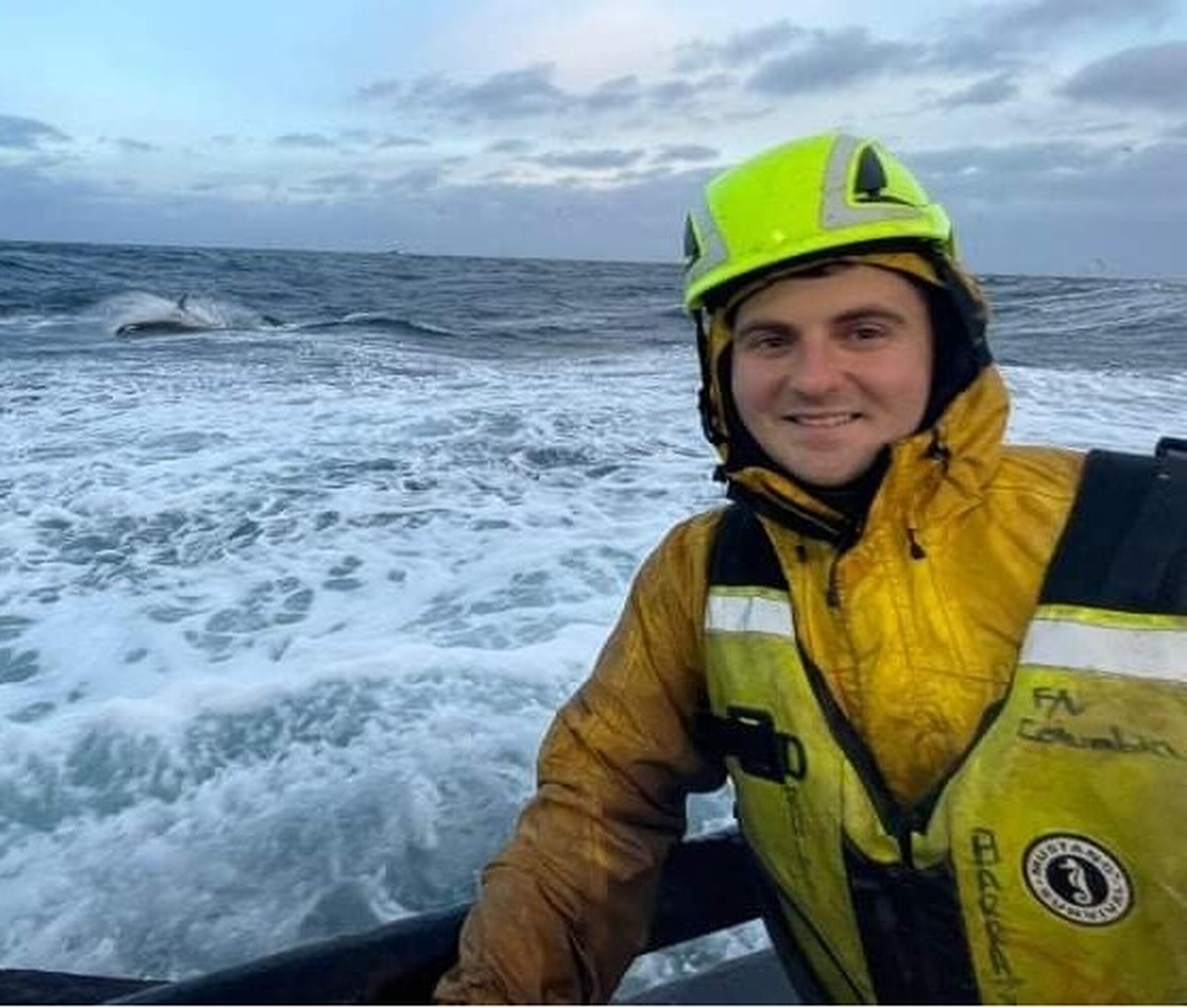
Short lived between Port Ludlow in northwest Washington, Alaska and Mexico and worked aboard a commercial fishing vessel in Akutan. He fell from a mast on July 30 and died soon afterward, the Alaska Department of Public Safety reported. The U.S. Coast Guard confirmed that it is investigating the circumstances of his death but did not provide details.
Gonzalez wants to see her husband one last time, collect his cremated remains and take them to Ensenada, where they lived with their three children. She and Short’s relatives fear that if his body is transported to Mexico, it could be lost or decompose too severely to be viewed before burial.
“I just want to say goodbye in person — see his face, hold his hand and tell him that everything will be OK,” Gonzalez said. She wants to promise her husband that she will care for their children and remain strong, as he always asked her to do. She also keeps Short’s memory in tattoos: one is dedicated to “the love of my life, Vincent,” while another depicts robots that the couple had tattooed about 10 years ago.
Gonzalez learned of her husband’s death after he failed to respond to her evening message. The next day, Short’s relatives called her by video and told her the tragic news. She said she dropped her phone, fell to the floor and cried for a long time as she struggled to catch her breath.
Because the funeral was scheduled for Aug. 22, Gonzalez contacted the U.S. Consulate in Tijuana. She already had a tourist visa interview scheduled for September: The couple had planned to surprise his family in Washington with a Christmas visit. She asked to have the interview moved up as an emergency, but received a refusal citing Section 214(b).
That provision means the applicant failed to establish eligibility for a nonimmigrant visa and convince a consular officer that she had sufficient ties to her place of residence to guarantee her return after the trip. Having a spouse and children in Mexico is considered during the review, but does not by itself guarantee approval: The consulate also evaluates employment, income, property, the purpose of the trip, previous travel and the credibility of the application.
Gonzalez and her mother-in-law, Vanessa Brouwer, then tried to obtain humanitarian parole through the San Ysidro border crossing. Such parole is temporary permission to enter based on urgent humanitarian reasons or significant public benefit and does not replace a tourist visa or provide an immigration status. After waiting several hours, their request was rejected again, and they were warned not to submit it at another crossing.
Humanitarian parole is generally reviewed and approved by U.S. Citizenship and Immigration Services, while Customs and Border Protection handles the actual admission at the border. The border crossing itself does not have the authority to independently waive visa requirements at the request of a private individual. The U.S. Department of Homeland Security and Customs and Border Protection were unable to immediately explain the reasons for the denials.
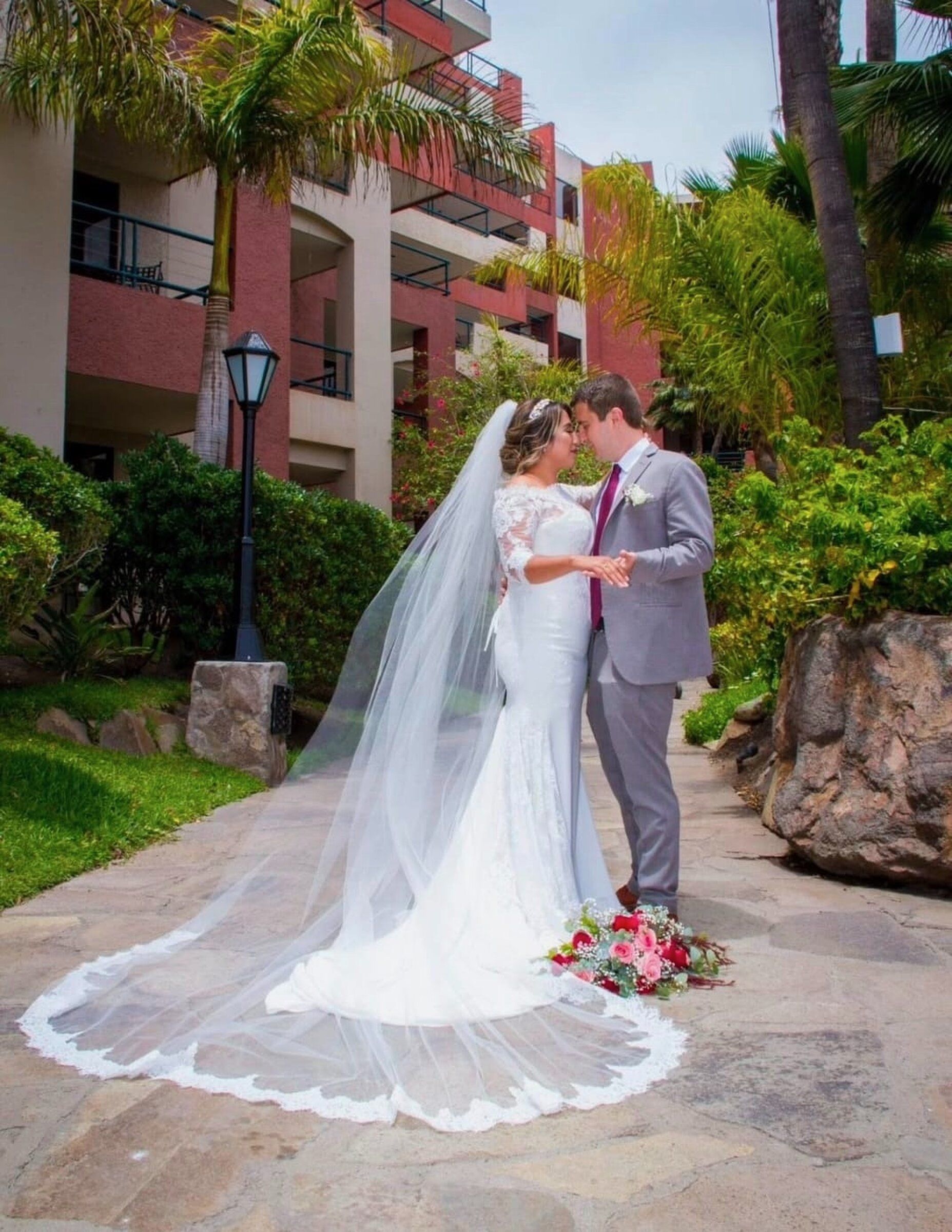
Gonzalez and Short met in Ensenada in 2017. They met at a restaurant and then danced all night, although Short spoke very little Spanish and Gonzalez was still improving her English. He joked that his first and most important “wife” would always be the sea, because his work as a fisherman required long separations. But he later returned to Gonzalez, proposed and married her.
Over the years, the couple had children, and they continued to message each other every day, ending their conversations with the words “to the moon and back.” Now Gonzalez says she will do everything possible to say goodbye to her husband and show him that she did not leave him alone.
After the latest denial, Brouwer contacted the media and government officials. She reached out to the offices of Washington Gov. Bob Ferguson, Sens. Patty Murray and Maria Cantwell, and Reps. Emily Randall and Michael Baumgartner. Members of Congress can submit inquiries to U.S. Citizenship and Immigration Services, Customs and Border Protection or the State Department, ask officials to check a case’s status and request expedited processing when there are grounds to do so. However, they cannot order federal agencies to issue a visa or approve humanitarian parole.
According to Brouwer, the offices of Murray and Baumgartner asked officials to reconsider the denial and grant an exception, but no new information had arrived by Thursday.
Based on: Wife of WA fisherman who died in Alaska denied entry to U.S. for his funeral