
On November 3, Washington state voters supported Initiative 638, which bars students classified as male at birth from competing in school sports designated for girls. As of November 8, about 56.5 percent of the votes cast were in favor; the results have yet to be officially certified. The outcome does not signal a sudden conservative turn in the state: in the same election, Washington rejected a repeal of its new tax on high incomes, while Seattle is likely to have elected the state’s first openly transgender woman to the Legislature. But school sports proved to be a rare issue on which concern about fairness in girls’ competitions outweighed voters’ usual partisan loyalties.
The initiative was written in almost lawyerly terms, but it touches on deeply personal circumstances. It requires school districts and nonprofit organizations that govern interscholastic sports to bar from girls’ teams and events students whom the law defines as “biologically male.” Each member of a girls’ team must also provide a letter from her doctor confirming her “biological sex” based on reproductive anatomy, genetic traits, or naturally occurring testosterone levels.
Until now, Washington had operated under a different model for nearly two decades. Since 2007, the Washington Interscholastic Activities Association, or WIAA, has allowed students to participate on teams in accordance with their gender identity; similar principles were enshrined in the state’s anti-discrimination rules for schools. Over the past two years, WIAA members had already tried to change the policy, but their proposals failed to win the required majority. The initiative allowed its supporters to bypass both the association’s leadership and the Democratic-controlled Legislature.
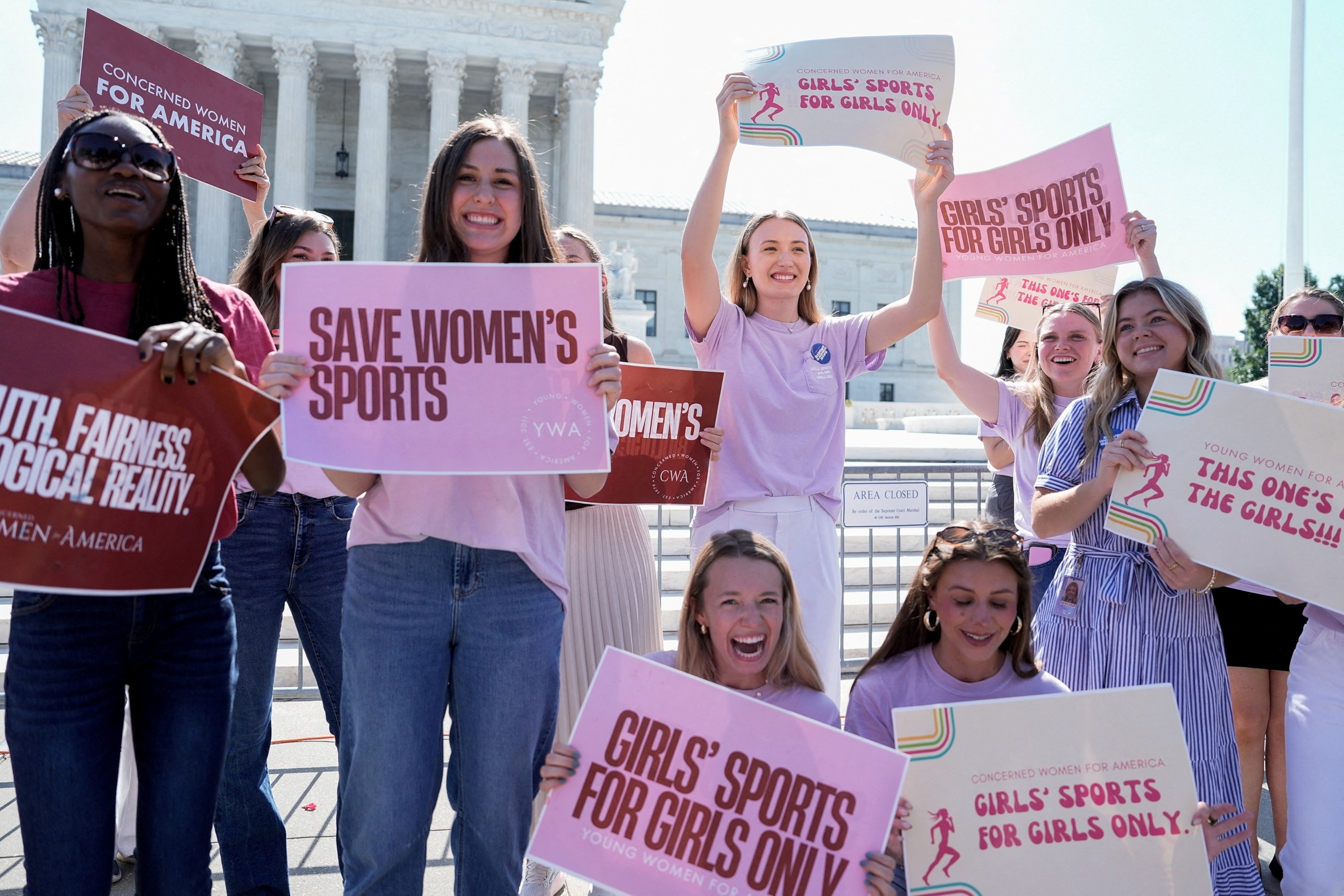
The campaign was led by the conservative group Let’s Go Washington and its founder, businessman Brian Heywood. Its message was straightforward: girls need a protected category, created historically to address inequality in sports, and advantages gained through male puberty can affect performance and safety. This framing—“protect girls’ sports”—left out many more complicated questions about age, specific sports, hormone therapy, and individual circumstances. But it gave undecided voters a clear answer to a question that appeared on the ballot not as a debate about minority rights, but as a debate about the rules of a school team.
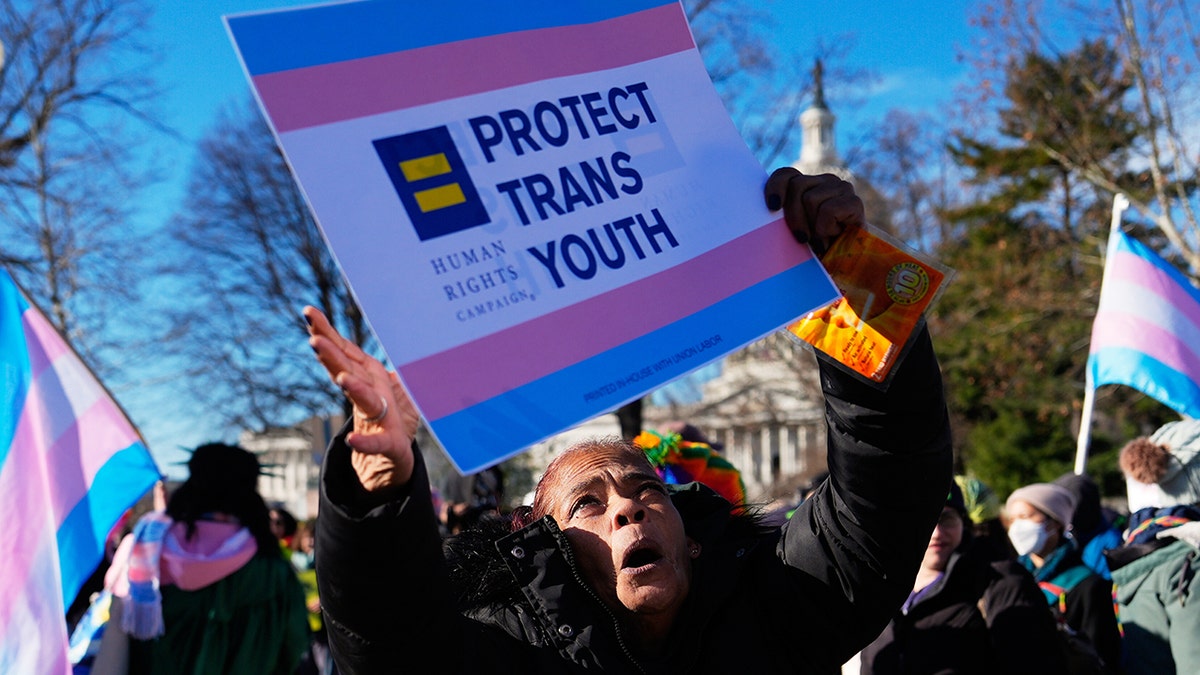
That was the initiative’s political strength. National polls have shown for several years that even many voters who support protecting transgender people from discrimination tend to draw a distinction between that support and transgender girls’ participation in girls’ sports. Washington Democrats—including Governor Bob Ferguson, Senator Patty Murray, teachers’ unions, and LGBTQ organizations—urged voters to oppose the measure. But their argument that it would stigmatize vulnerable children ran up against many voters’ intuitive sense that sports rules should draw a clear line.
At the same time, the group affected by the law is extremely small. WIAA says it knows of about 10 transgender student-athletes a year among more than 200,000 participants in interscholastic sports. Opponents of the initiative therefore called it not a measure to protect sports on a broad scale, but a hunt for a handful of children whose names and medical circumstances could now be exposed to public scrutiny. They also pointed out that the existing sports physical does not require genetic testing, hormone testing, or genital examinations.
The law’s medical requirements remain its murkiest and probably most contentious consequence. Supporters of the initiative said it did not mandate intimate examinations: doctors could rely on records they already had. But the text requires sex to be verified through anatomy, genetics, or testosterone levels, without explaining what families without a regular doctor should do, how to handle students with variations in sex development, or how schools should store such sensitive information. Girls with no connection to transgender issues may also now need a new medical document to join a school team.
The vote showed not so much Washington’s rejection of its liberal identity as that identity’s limits on an issue deliberately pulled out of the broader debate over civil equality and reframed in the narrow, emotionally clear terms of school competition. Majorities in King and Snohomish counties—the most Democratic counties in the Puget Sound region—voted against the initiative, but their votes were outweighed by those in other parts of the state. If the results are certified, the law will take effect on December 3. WIAA, school districts, doctors, and families will then have to turn the campaign’s winning slogan into a working procedure—and may find out in court whether it can withstand challenges under the state’s constitutional and anti-discrimination protections.

Based on: Why blue WA voted to ban trans athletes from girls sports