
According to data from the U.S. Census Bureau, about 191,000 adults move to the state of Washington each year, while 193,000 leave — figures that are nearly equal. However, the composition of these flows differs noticeably. Among arrivals, 52% are men, while among departures 51% are women, resulting in a net gain of roughly 5,000 men per year and a loss of more than 6,000 women. This imbalance is largely explained by the historical dominance of men in technical (STEM) fields in the Seattle area due to stereotypes and a lack of support for women. Key employers here are Amazon, headquartered in Seattle, Microsoft in the Redmond suburb, and Boeing — these companies have long hired predominantly male engineers, creating a persistent imbalance. Although programs to attract women are now underway, the gap remains.
Arrivals are also younger: 70% of newcomers are under 40, while among those leaving the state that share is 63%. The state continues to attract highly educated people: nearly 55% of movers over age 25 have a college degree (bachelor’s or higher), compared with only 49% of those leaving. This reinforces Washington’s status as a hub for young, ambitious professionals.
However, the state is losing appeal for families. Forty-three percent of adults who left were married, while only 38% of arrivals were. The same pattern holds for children: 25% of those who left had minors in the household versus 22% of newcomers. The high cost of raising children in Washington is explained by several factors: Seattle housing prices are among the highest in the U.S., with the median home price exceeding $800,000; daycare costs run from $1,500 to $2,500 per month, above the national average. Despite no state income tax, the sales tax is about 10% and property taxes are high, increasing everyday expenses for families. Together, these factors make the region less affordable for families than, for example, Texas or the Midwest.
Migration is also changing the state’s racial makeup. Among arrivals, the share of people of Asian and Pacific Islander descent is 14%, while among departures it is under 9%. Conversely, 69% of those leaving are white, compared with 61% of arrivals. In addition, nearly 20% of newcomers were born outside the United States, while that share is under 15% among those who left.
Notably, 22% of those leaving the state were born in Washington itself — they find better opportunities elsewhere. By comparison, only 15% of arrivals are state natives returning home. Thus, migration flows are shaping Washington as a magnet for young, educated, single professionals, while at the same time reducing the region’s attractiveness to married couples and older people.
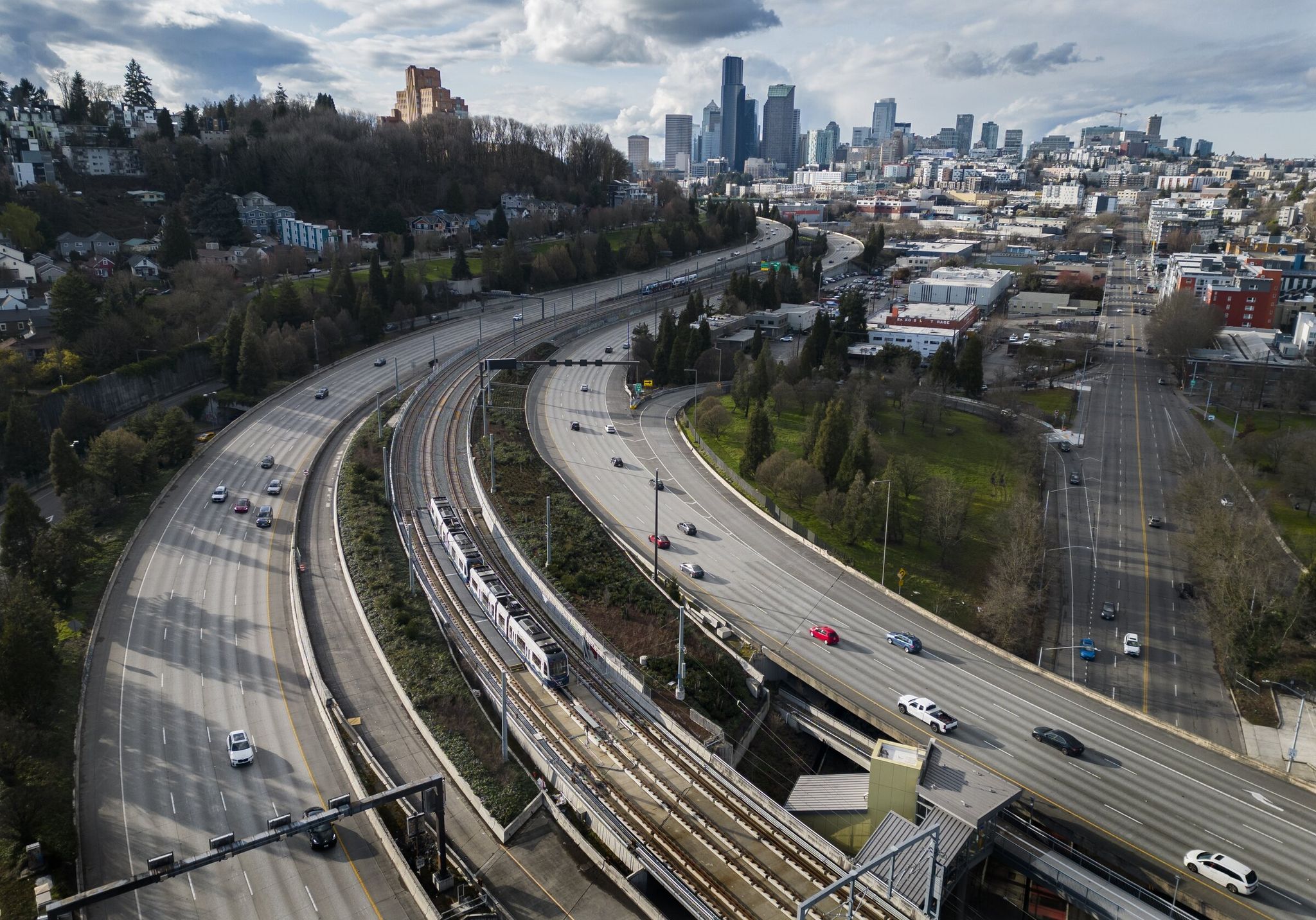
Based on: Who’s moving to WA, and who’s leaving? Here’s what the data shows