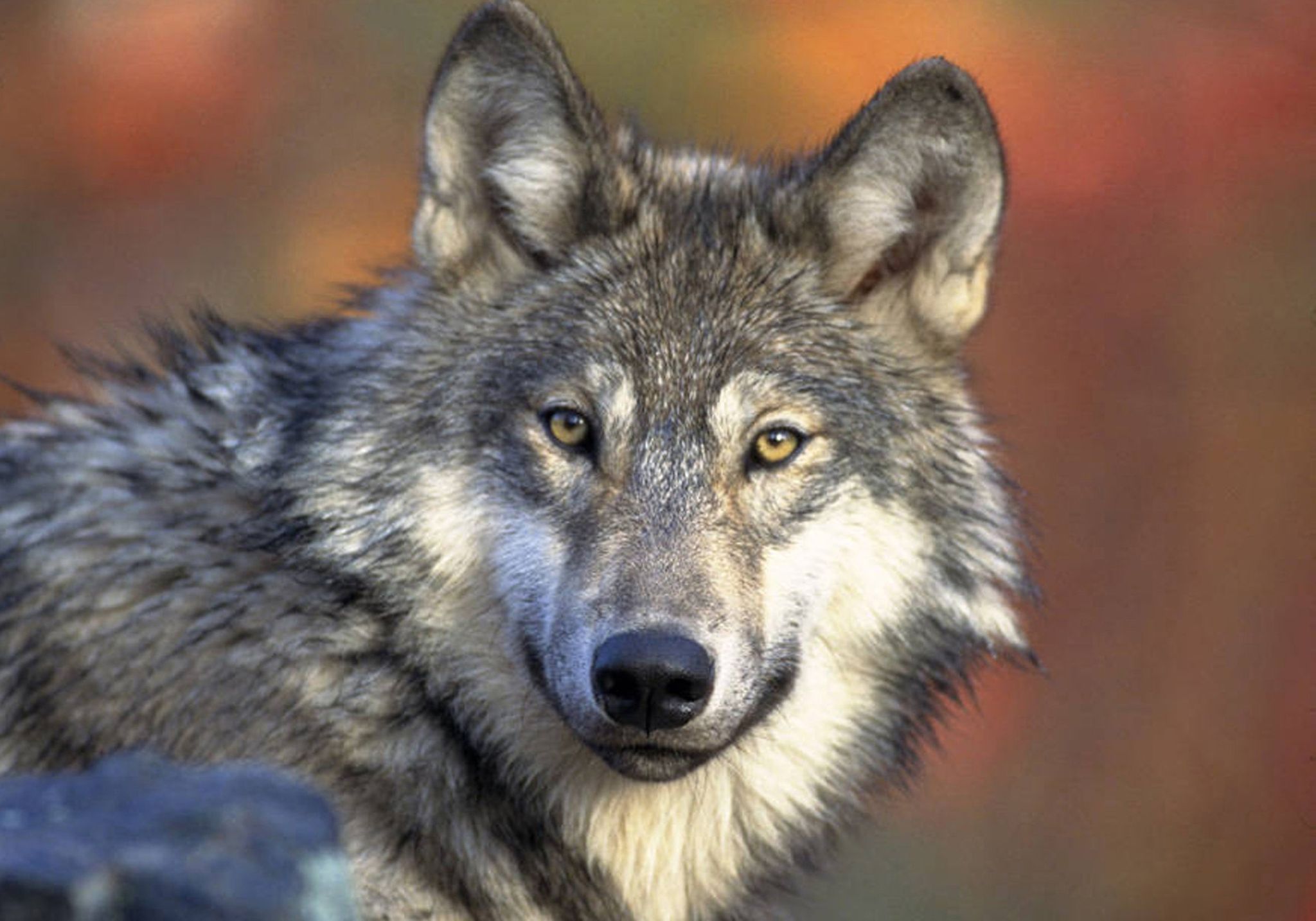
The gray wolf population in the state of Washington grew by 17% in 2025, resuming a steady upward trend after a brief decline the previous year. According to the annual census, by the end of 2025 there were at least 270 wolves in the state, grouped into 49 packs, 23 of which were breeding pairs. Wolves, extirpated here in the 1930s, began returning from neighbouring British Columbia and Idaho starting in 2008, and have since increased at an average rate of 21% per year.
Biologists confirmed the formation of six new or re-established packs, including the Salmo, Smackout and Vulcan packs in the northeastern part of the state. However, the key goal of the state recovery plan — reestablishing wolves in the South Cascades and Northwest Coast regions — has not yet been met, although individual wolves have been observed there. Most packs (35) and breeding pairs (13) are concentrated in the Eastern Recovery Zone, where the population has consistently met target levels for 12 consecutive years.
Last year there were 28 documented wolf deaths. Of those, four wolves were killed by state agencies for livestock attacks, two were shot by farmers protecting their herds, and 12 were lawfully taken by hunters from the Colville Confederated Tribes. That reservation, located in the northern part of the state, is sovereign land of twelve federally recognized tribes that possess special rights for co-managing natural resources, including hunting, on their traditional lands. Those rights, secured by historic treaties and court rulings, allow the tribes to participate in wildlife regulation on an equal footing with state agencies. There were also instances of poaching, deaths from natural causes, and deaths during capture operations for tagging.
Conflicts with livestock continue: in 2025 wolves attacked cattle in 17 incidents, resulting in 19 calves killed or injured. Wolf management, including monitoring, conflict resolution and outreach, cost the state Department of Fish and Wildlife approximately $2 million.
The legal status of wolves in Washington is patchwork and creates a complex management regime. In the western two-thirds of the state they remain protected under the federal Endangered Species Act because the population there is considered less recovered. In the eastern part of the state, roughly east of a line running through Omak, Moses Lake and Kennewick, wolves have been delisted federally and management was transferred to the state and tribes, who may authorize controlled shooting. However, wolves on that territory remain protected under a similar Washington state law. That split requires ongoing coordination among federal agencies, state authorities and the tribes.