
On Thursday, officials in the U.S. states of Washington and California and Canada’s Quebec province plan to formally cement an agreement to merge their carbon markets. It is the first real step toward the large-scale cooperation envisioned in Washington’s landmark law, the Climate Commitment Act, which aims to sharply cut greenhouse gas emissions by the state’s largest polluters.
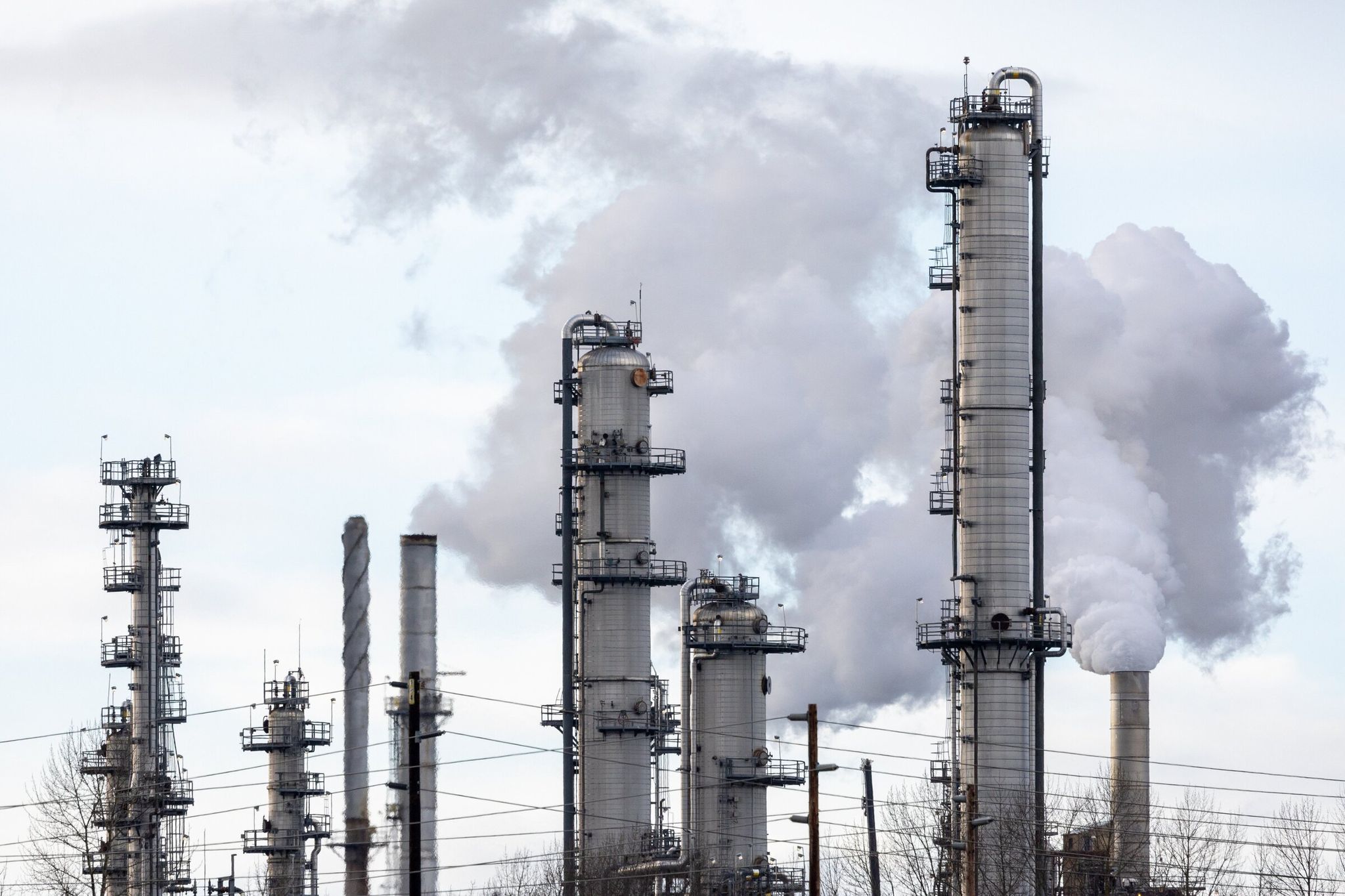
Washington’s carbon allowance market began in 2023: large emitters are required to buy emission permits at quarterly auctions. Among the main buyers are energy companies such as Puget Sound Energy, BP and Phillips 66 refineries, as well as major industrial facilities—aluminum and cement producers. Over time, the number of available allowances declines, forcing companies either to adopt cleaner technologies or to pay more. In its first year, the program raised more than $4.3 billion—money that is directed to climate-change mitigation projects and protection against natural disasters.
Combining the three markets should make the system more resilient: more participants and allowances mean a lower risk of sudden price spikes that were seen early in the Washington market. For consumers, officials promise that in the long run it will translate into lower gas prices—especially relevant amid global instability triggered by conflicts in the Middle East. But in practice, the launch of the carbon market in 2023 led to an increase in gas prices of 15–20 cents per gallon (about 4–5 rubles per liter), sparking political controversy. In 2024, a referendum to repeal the system failed, and the mechanism remained in place; some of the revenue from allowances is earmarked for subsidies for electric vehicles and improvements to public transportation.
The agreement takes on added significance against the backdrop of climate policy under Donald Trump’s administration, which actively supports fossil fuels. States are taking on increasing responsibility for cutting emissions, and Washington has now endured a statewide emergency drought for the fourth year in a row. For the Seattle region—known for its rainy reputation—this is especially stark: most precipitation falls in winter, while summer is typically dry. The ongoing drought is driven by climate change—reduced snowpack in the Cascade Mountains, which serves as a natural reservoir for summer water supplies, and rising temperatures that cause earlier snowmelt and water shortages during hot months. Population growth and expanded agriculture further increase demand for resources. The U.S. Southwest is also experiencing an even more severe water crisis and a formidable fire-prone season.
No single state can significantly affect global emissions on its own, but the coalition of California, Washington, and Quebec is becoming a major player. In addition, roughly ten other U.S. states—including New York and Oregon—are considering launching their own carbon markets, and they see this merger as a model for future participation.
However, before a full merger can be completed, several regulatory formalities still need to be worked out. After the pact is signed on Thursday, all three governments will make the necessary changes to their internal regulations. Washington’s Department of Ecology expects to complete the process by September—and then, by next year, the three markets will be able to operate as a single system.
Based on: WA to agree to link carbon markets with CA, Quebec