
State officials in Washington have begun preparing to implement a new income tax on individuals with annual incomes above $1 million, set to take effect in 2029. To carry out this large tax reform, the state Department of Revenue will need to hire more than 300 new employees over the next several years. Preparatory work will begin in fiscal 2027, with full program implementation planned by 2030.
Most of the new hires (about 131 people) will be directly involved in administering the new tax, while roughly 106 employees will support the expansion of the Working Families Tax Credit (WFTC). Salary costs alone for the new positions are estimated at $45 million for the 2029–2031 budget period. The total cost of implementing the program over the same period is about $557.4 million.
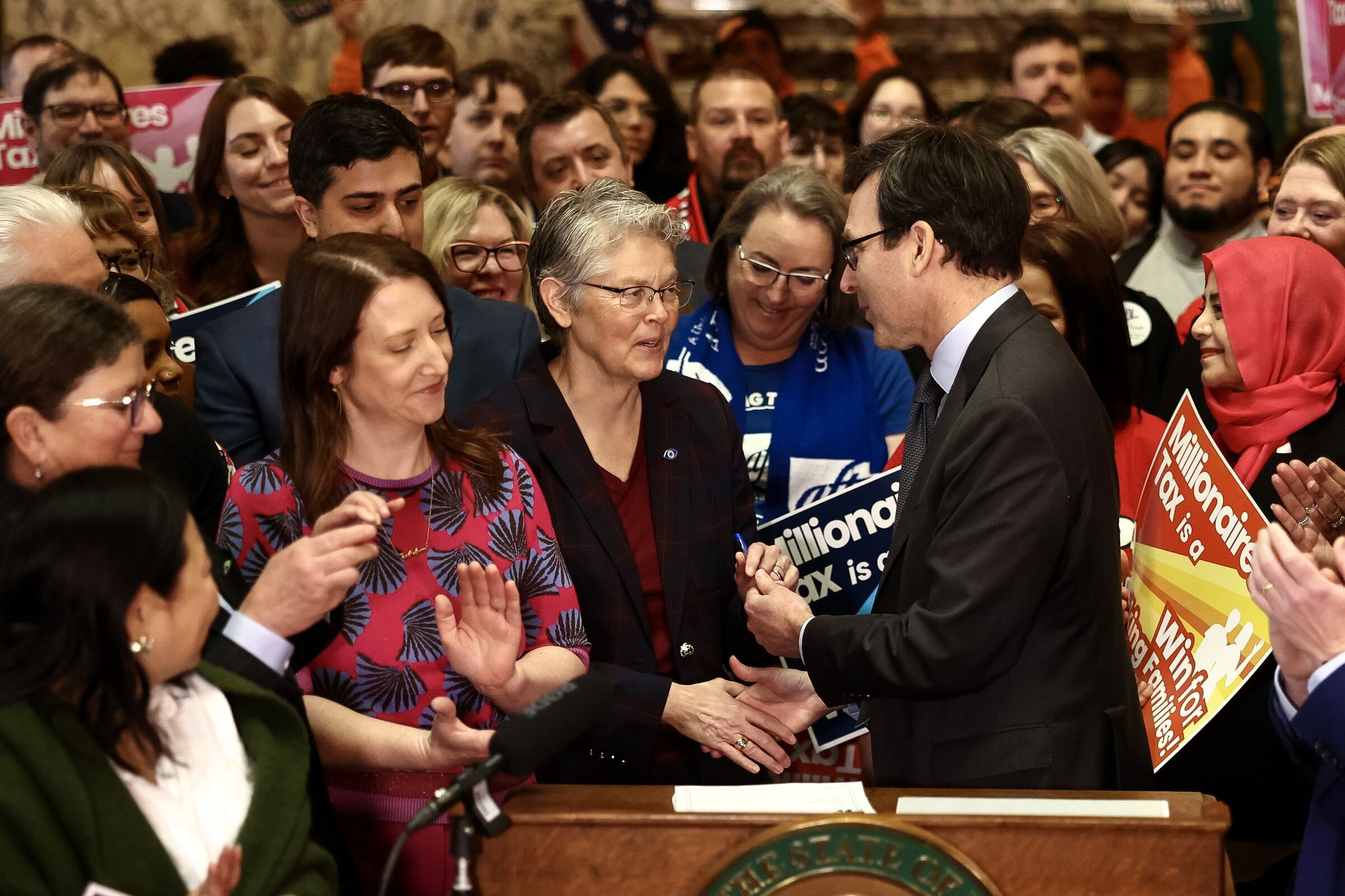
The new tax law, signed by Democratic Governor Bob Ferguson on March 30, has already faced legal challenges. Ferguson’s progressive priorities, including consumer protections and social equity, are reflected in the law’s provisions. The conservative group Let’s Go Washington, known for its initiatives to cut taxes and reduce government regulation—including attempts to change carbon emissions laws—has challenged the constitutionality of a provision that bars a referendum on the measure. The state Supreme Court agreed to consider the suit, with hearings scheduled for late April. Meanwhile, a former state attorney general and a former state Supreme Court justice have also filed a challenge to the law.
Despite the legal disputes, the Department of Revenue is continuing preparations to implement the tax. In fiscal 2027 the agency will spend $10.1 million on initial rollout steps, including hiring a project director, contracting external consultants and purchasing new computer equipment. A 9.9% tax rate will apply to incomes over $1 million per year and will affect roughly 21,000 households, generating $3–4 billion annually for the state.
Collected funds will go to the state’s operating fund to finance schools and public services. Part of the revenue will be used to repeal the sales tax on hygiene products such as tampons and pads. This tax, criticized for decades as a gender-unequal “tampon tax,” had been in effect since the state’s general sales tax system was introduced. Its repeal is the result of a nationwide movement for gender equity backed by Democratic lawmakers. Sales taxes on diapers and over-the-counter medicines will also be eliminated. The new law also exempts hospitals, prescription drug distributors and medical providers from an additional levy on high-earning businesses and raises the business tax filing threshold to $300,000 in annual revenue.
The Working Families Tax Credit (WFTC) will be significantly expanded. An additional 460,000 households will become eligible, and income thresholds will be substantially increased. For example, for families with three children the income limit will rise from $69,000 to $138,000 per year. Age restrictions will also be removed—anyone over 18, regardless of whether they have children, will be eligible for the credit.
Based on: WA will hire 300 employees as it enacts high-earners income tax