
The Washington Department of Fish and Wildlife has proposed substantial changes to rules governing shellfish harvesting on public beaches. Key measures include increasing the minimum size for harvested littleneck clams from 1.5 to 2.5 inches, reducing the daily limit for geoduck harvesting from three to one, and adjusting harvesting seasons on certain beaches. These actions aim to conserve shellfish populations and regulate the surge in harvesting activity driven by social media popularity.
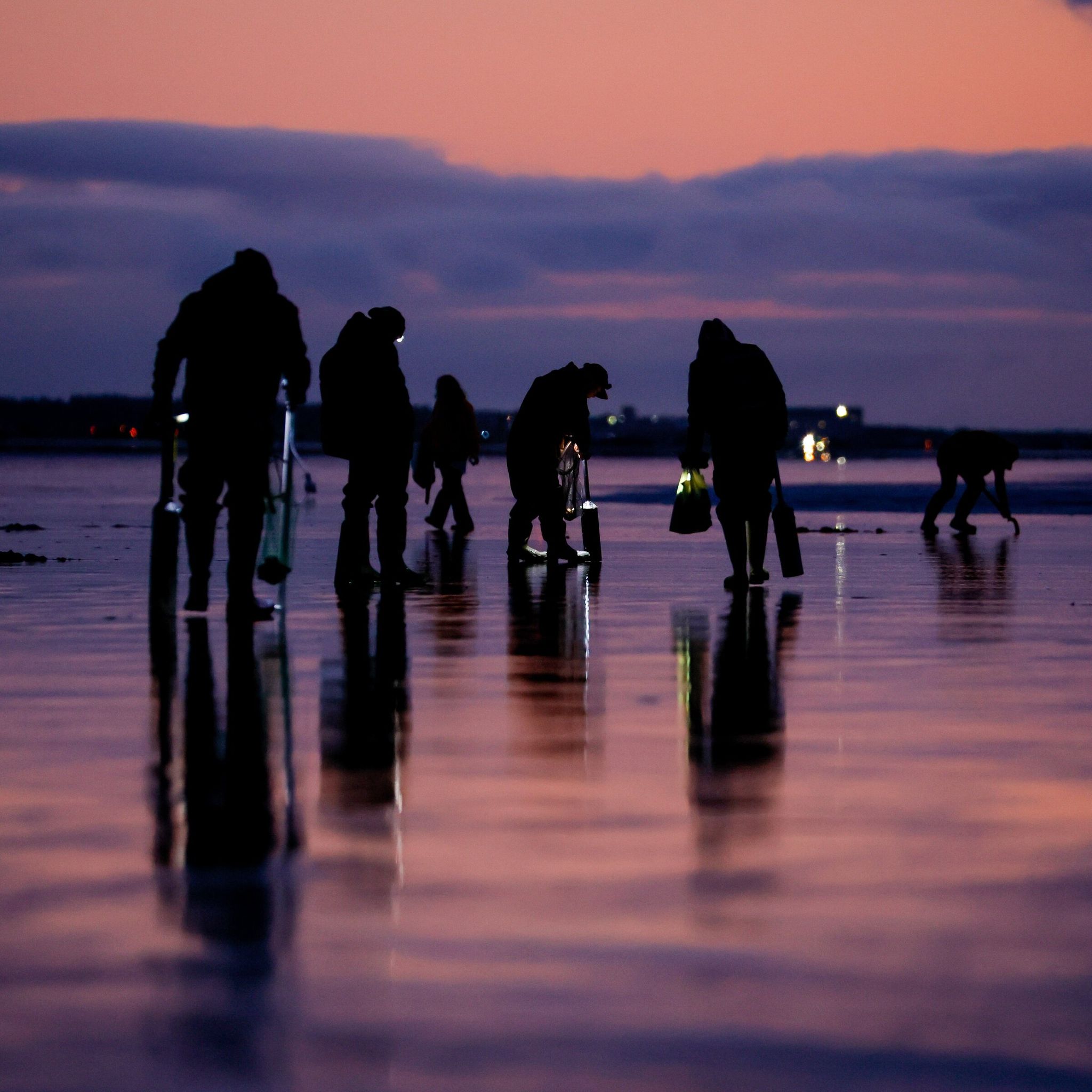
Department officials say heightened interest has led to overcrowding at some beaches and even temporary closures. Easily accessible beaches near Seattle have been particularly affected, such as those in Kitsap County and on the west side of Puget Sound, where large crowds combine with limited shellfish resources. Popular harvesting spots also include beaches on the Olympic Peninsula—such as Kalaloch and D’abay beaches—as well as beaches within Puget Sound and the San Juan Islands. Harvesters in these areas often violate rules: misidentifying species, exceeding limits, and failing to fill in holes they dig, which harms habitat and can lead to shellfish mortality. Illegal roadside parking along busy roads has also been reported.
The scientific rationale for the changes is the need to protect vulnerable species. Raising the minimum size for littleneck clams will allow more individuals to reach reproductive age, supporting long-term population resilience. Geoducks, by contrast, reproduce extremely slowly—they reach sexual maturity only at 4–6 years old, and their larvae remain planktonic for just 2–6 weeks, making them vulnerable to environmental changes. In Washington waters, their populations are especially affected by a combination of factors: historical overharvesting, water pollution in parts of Puget Sound, ocean acidification, and natural predators. Slow growth—taking 5–7 years to reach market size—exacerbates the issue, and recovering geoduck numbers after intense harvesting could take decades. Under the proposals, some beaches would be closed to harvesting year-round or have seasons shifted by several months.
The department is accepting public comments through Feb. 24 and will hold virtual hearings. If adopted, the changes would take effect in the 2026 season and would not apply to shellfish on private tidelands. Experts recommend that harvesters visit less popular public beaches to spread the recreational load across ecosystems and check the department’s website for up-to-date information.
Based on: WA proposes tighter rules on harvesting shellfish, including geoducks