
This year, Washington high school graduates submitted a record number of applications for college financial aid: more than 44,000 seniors completed the FAFSA form. It’s the second year in a row that the state has surpassed its own previous result. The success was made possible by years of coordinated efforts by state officials to increase the number of applications, since many students simply don’t use the available resources for education and career training because they never apply for aid.
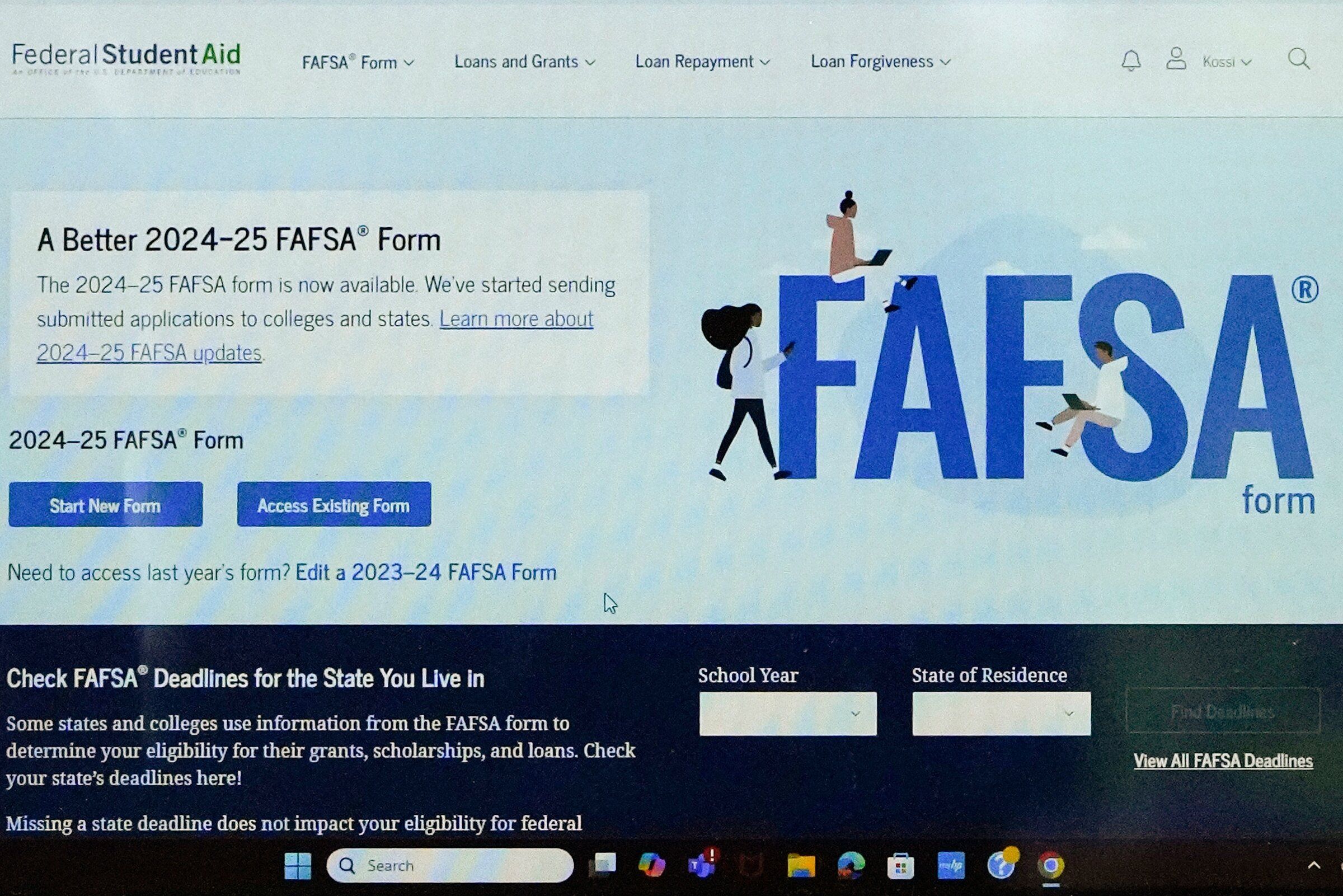
FAFSA (Free Application for Federal Student Aid) is a single form that American students fill out to receive state-backed financial help for college—grants, subsidized loans, and other types of support. Without it, most families are simply unable to pay for higher education. A key player in this work is the Washington Student Achievement Council (WSAC), a state agency created in 2012 to coordinate the entire education system in Washington—from kindergarten through universities. The council develops a decade-long strategic plan for education, tracks student performance, and runs major financial aid programs, including the Washington College Grant and the College Bound scholarship for students from low-income families. In essence, WSAC is a link between the state government, schools, colleges, and students: it sets priorities, distributes scholarships, and collects data so that more Washington residents can pursue higher education or career training.
Governor Bob Ferguson has been actively pushing the idea of making FAFSA completion a requirement for earning a high school diploma. He has already signed an executive order requiring the setting of annual targets for submitted applications, and he personally campaigns with students across the state. As Mike Meotti of the Washington Student Achievement Council puts it, “the combined attention” from officials makes school principals and teachers take the issue more seriously. The governor’s proposal is also supported by the fact that a similar requirement is already in place in some other states.
Beyond public campaigns, officials also work in a quieter way: the council reaches directly out to schools where historically only a small percentage of students file FAFSA, and it has created a chatbot for students and parents to help them navigate important financial deadlines. These efforts gained momentum about three years ago, as the effects of the pandemic began to fade. The number of applications is expected to keep rising through fall: the academic year at Washington colleges begins later than in many other states, and students at local community and technical colleges often decide whether to enroll at the very last moment.
At the same time, Washington has historically ranked among the lowest states nationwide in the share of students who complete FAFSA. The paradox has several explanations at once. The state has one of the highest student-to-counselor ratios in the country—more than 400 to one—so high school students have little support to understand the complicated application process. Demographics also play a role: Washington has many children of immigrants; undocumented students cannot apply for FAFSA at all, and families with mixed immigration status often fear sharing personal financial information with the federal government. In addition, unlike in some other states, completing FAFSA in Washington is not required to receive a high school diploma, so schools don’t organize systematic application drives. Finally, the state’s strong economy plays an unexpected role: high salaries in the tech sector and construction can create the impression that a diploma isn’t necessary, and some students never even begin the process of applying for aid—despite the fact that state grants could help those students the most.
At a press conference, Ferguson said the problem lies in insufficient information, and that a mandatory requirement ensures that every graduate will at least consider applying. Legislators will take up the proposal in 2027 alongside other updates to school completion requirements, and then it will become clear whether the new approach will change the financial future of thousands of Washington students.
Based on: WA high schoolers hit new financial aid milestone