
The United States has lost its status as a country that had eliminated measles. The Pan American Health Organization has also revoked that status from Mexico and Bolivia. The virus has been spreading across the country for nearly two years: more than 8,000 cases and at least 14 deaths have been recorded. Nearly all those infected were unvaccinated.
So far, Washington state has managed to contain the spread of the disease: since the start of the year, 58 cases and five outbreaks have been identified, with no deaths. However, the number of cases has risen nearly fivefold compared with 2025, when 12 were recorded. Local experts warn that the total could grow before the end of the year.
Losing the status does not mean the risk to each resident has suddenly changed, but it confirms that the situation is worsening. Measles used to be associated mainly with international travel; now, most cases in Washington—about 79%—are linked to transmission within the country. There is currently no sustained local transmission, however: cases in the state are occurring as extensions of transmission chains following travel.
Outbreaks are much larger elsewhere in the country. Pennsylvania has recorded more than 1,500 cases in 2026, and South Carolina, Wisconsin and Utah have each reported more than 500. The situation is calmer on the West Coast, but experts emphasize that Washington state is also at risk of major outbreaks, especially in communities with low vaccination rates.
In Snohomish County, an outbreak following an importation of the virus from South Carolina was limited to 14 cases—all among unvaccinated children. During such outbreaks, health authorities confirm diagnoses, identify those who have been in contact with infected people, including at schools and health care facilities, and inform people about symptoms and monitoring periods. Some contacts may be advised to get vaccinated or receive immunoglobulin, while unvaccinated students may be temporarily barred from school. Agencies also alert residents to places where exposure may have occurred and coordinate with health care facilities and state authorities.
The statewide vaccination rate among schoolchildren for the combined measles, mumps and rubella vaccine (MMR) reached 95% last year—the threshold needed for community protection. But rates are lower in many counties, and among children in kindergarten, only four counties exceeded that threshold. Differences may be linked to access to health care, families’ attitudes toward vaccination, language and financial barriers, as well as how promptly vaccinations are entered into registries.
Local health departments analyze data from schools, day care centers and individual neighborhoods, compare it with medical records, and check where a high share of unvaccinated children could make it easier for the disease to spread. Schools check vaccination records but generally do not administer vaccines themselves. To attend school, students must provide proof of vaccination, obtain an approved exemption, or comply with temporary exclusion rules during an outbreak.
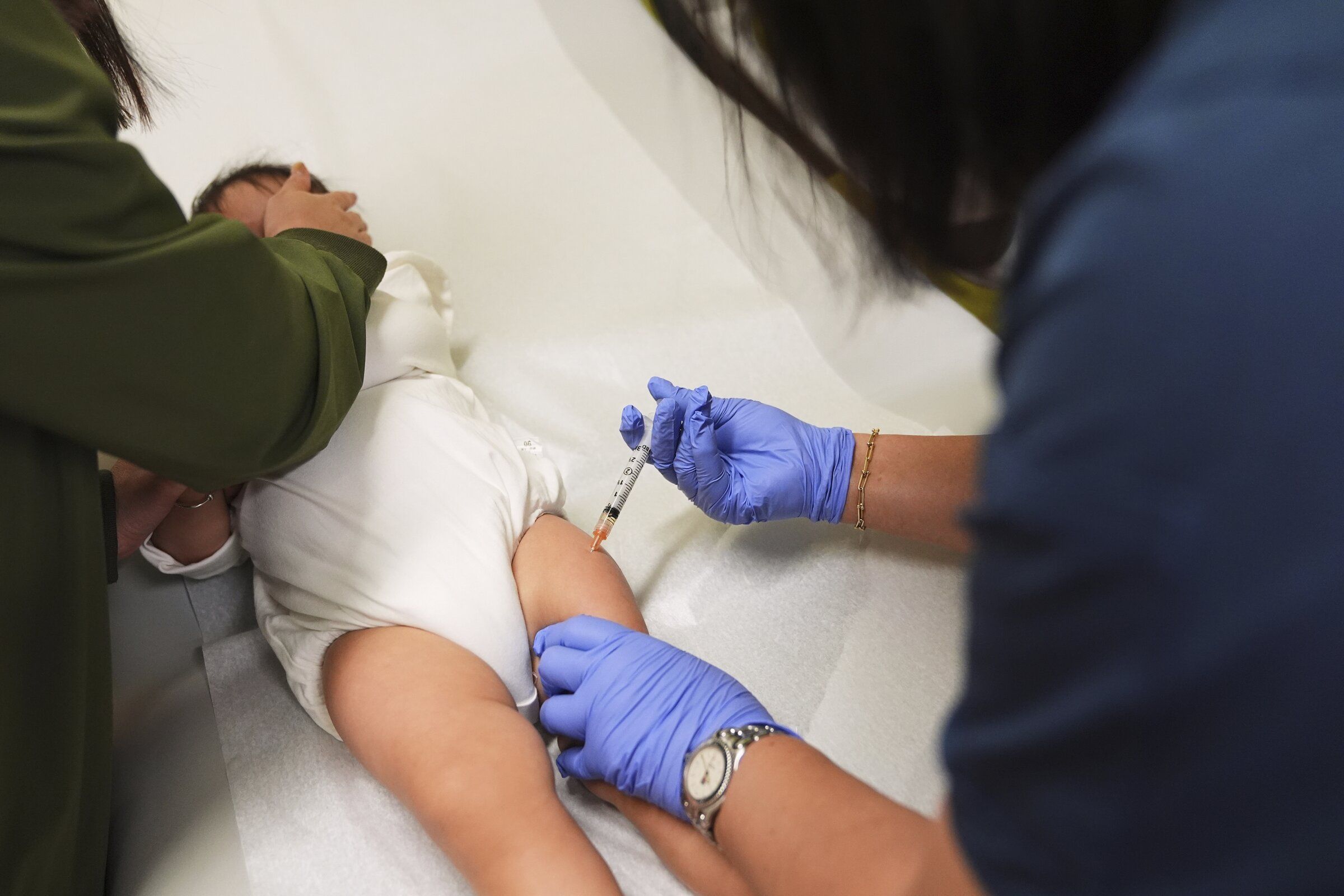
MMR is usually given in two doses: the first at around one year of age, and the second before a child starts school. Children can get the vaccine from a pediatrician or family doctor, at some pharmacies, and at public health clinics. Doctors are especially concerned about communities with low vaccination coverage, where new cases and chains of transmission are most likely to emerge.
Infants under one year old, pregnant people and those with weakened immune systems are at greatest risk of severe illness. Experts urge people to get the MMR vaccine; if there is no proof of vaccination or immunity, they advise getting vaccinated again rather than spending time searching for old records. There is no FDA-approved antiviral treatment for measles, and care is mainly supportive. Doctors warn that the disease can cause death, loss of vision or hearing, and severe neurological complications, so prevention is best.
Based on: WA doctors fret over future spread after U.S. loses measles-free status