
According to a new analysis, Washington has become one of the most expensive states to live in the United States over the past decade. Its cost of living rose faster than the national average, and in 2024 it ranked sixth in the national costliness ranking, behind only California, New Jersey, Hawaii, the District of Columbia and New York. The report "The Prices We Pay" details which areas of life in the state are becoming increasingly unaffordable.
The study, conducted by the Washington Roundtable in partnership with consulting firm Kinetic West, relies on data from the U.S. Bureau of Economic Analysis. This influential association of CEOs from the state's largest companies—such as Microsoft, Boeing, Amazon and Starbucks—traditionally lobbies for business-friendly economic policies. Their role is especially visible on issues affecting the largest metropolis, including transportation development, housing policy and tech-sector regulation. The study uses the Regional Price Parities index, which measures price differences between states. In 2023 Washington’s figure was 108.5% of the national average (100%), placing it fifth. In 2024 the index dipped slightly to 107%, but that was enough for New York to overtake Washington.
The main burden falls on consumer spending. According to the study, per-capita expenditures rose from $40,650 in 2015 to $62,837 in 2024. Some 59% of those expenses go toward basic needs: housing, utilities, food, healthcare and transportation. This creates significant financial pressure on families.
Report authors point to the state’s tax policy as a key driver of the high cost of living. Washington Roundtable president Rachel Smith noted that Washington has a unique business tax on gross receipts (B&O tax) that companies pay regardless of profitability. Industries with low profit margins but high revenues suffer particularly: retail, construction, transportation services, and some professional services. In those sectors—especially among small and medium-sized businesses—this creates added pressure that can limit hiring and wage growth. In addition, the state has some of the highest combined sales tax rates, capital gains taxes and, more recently, an income tax for high-earners. These business costs ultimately get passed on to consumers.
The high cost of living is already producing measurable demographic effects. From 2021 to 2023 more people moved out of the state than moved in: net outmigration exceeded 55,000 people. Top destinations for relocation were Arizona, Idaho and Texas. Those states attract movers with significantly lower costs of living, particularly housing prices, lower taxes and, in the cases of Arizona and Texas, warmer climates. Economic connections also facilitate this flow: many Washington companies have offices in those states, making internal transfers easier, and there is robust air service. This trend suggests affordability is becoming a critical issue for the state's future.
High costs are not limited to the largest metropolis. Although the Seattle–Tacoma–Bellevue metro ranked fifth among the most expensive metropolitan areas in the country in 2023, all 11 other metropolitan areas in Washington also fell into the top 25% of the national cost-of-living ranking. That means the problem is statewide.
Researchers emphasize that the problem has been building for years and will take time and coordinated effort to address. The next step for Washington Roundtable and Kinetic West is to analyze how the cost of doing business in the state has changed over time and how those costs affect families. Based on that data, they will produce recommendations for containing the rise in the cost of living.
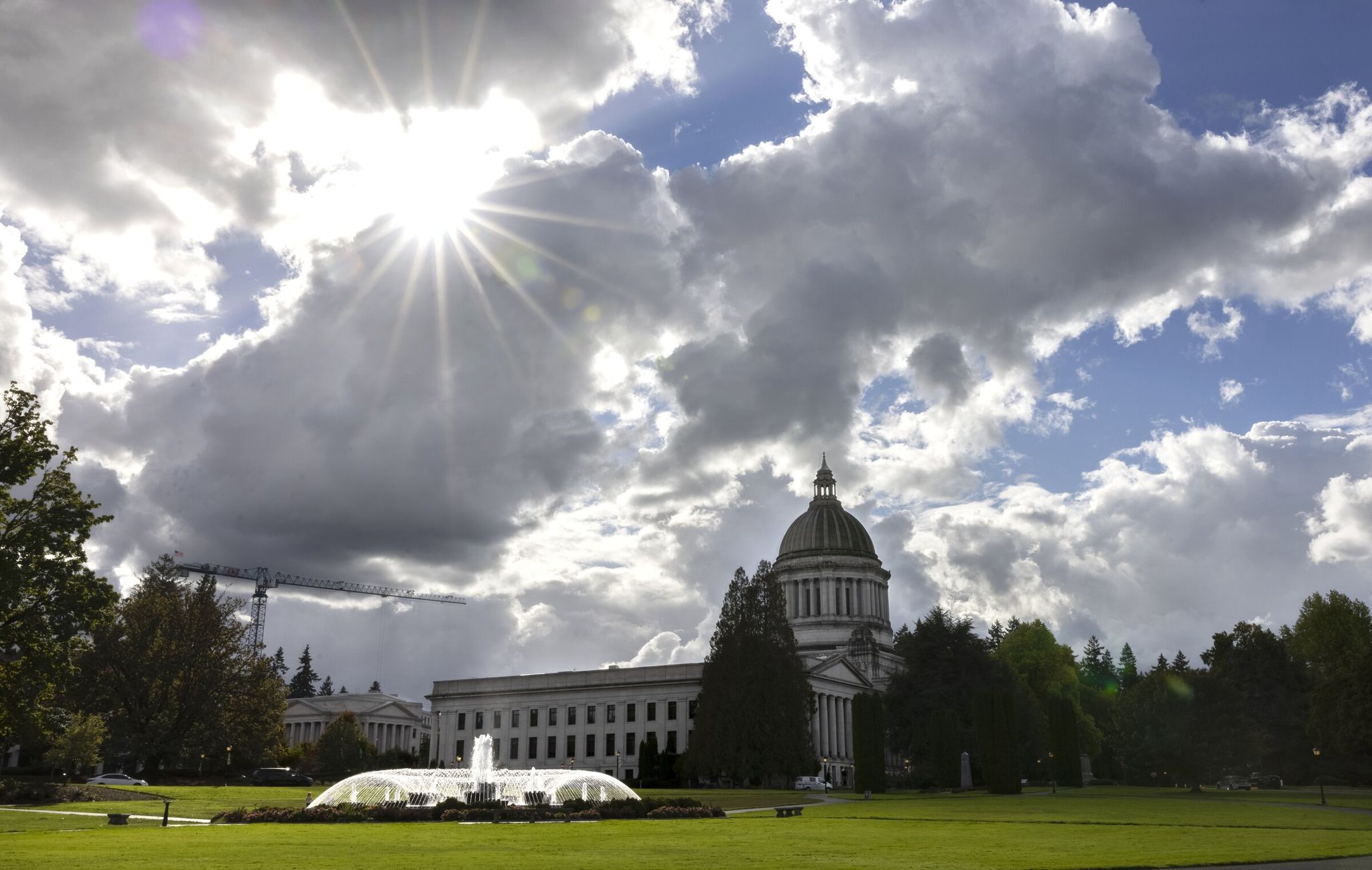
Based on: WA is the sixth-most expensive state to live in U.S., study says