
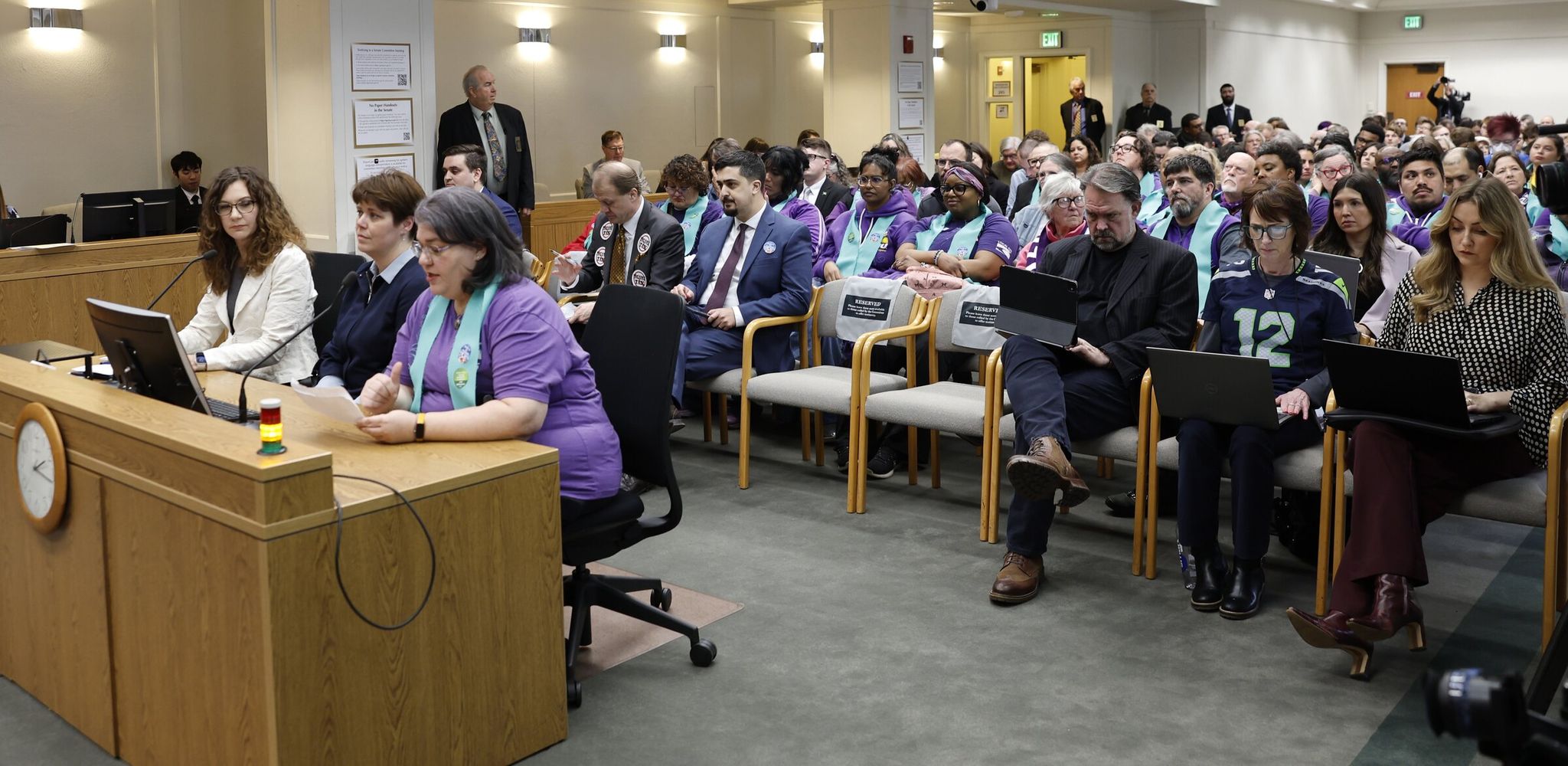
State lawmakers in Washington revived one of the state's longest-running political debates by proposing, for the first time, an income tax on its ultra-wealthy residents. The new bill, approved by the Senate, would tax annual income above $1 million, but contains a controversial legal clause that could strip voters of the right to challenge the law via referendum. That "necessity clause" has become the focal point of disagreement, sparking a parallel dispute over whether the public will get a chance to weigh in.
Under SB 6346, backed by Democrats, a 9.9% tax on adjusted gross income above the $1 million threshold would take effect on January 1, 2028. The first payments would be made in April 2029. The tax is estimated to raise about $3.5 billion annually and would affect roughly 30,000 taxpayers. At the same time, the bill would exempt more than 70% of small businesses from the state’s main business tax and increase the charitable contribution deduction.
Supporters of the tax, mostly Democrats, say it is a long-overdue measure to fix Washington’s regressive tax system. The state has no income tax, and the bulk of budget revenue comes from sales and property taxes, which place a heavier burden on middle- and low-income residents because they make up a larger share of their earnings. Wealthier residents can defer or invest portions of their income, reducing their tax burden. The millionaire tax is seen as an equitable source of funding for the state’s general needs. Critics, mostly Republicans, worry it would set a precedent for expanding taxation to people with more modest incomes and would not close the projected $4.3 billion budget shortfall.
The main sticking point is a provision in the bill declaring the new tax "necessary for the support of state government." Under Washington’s constitution, laws deemed necessary for government functioning cannot be suspended by referendum — a vote to overturn an already enacted law. That means opponents would be unable to put the law to a referendum to repeal it before it takes effect. Instead, they would have to pursue the longer and more costly people’s initiative process, which allows citizens to propose new laws or amendments by gathering signatures to place a measure on the ballot to repeal an existing law.
Senate Republican Leader John Braun said a tax that is deferred until 2028 does not meet the standard of "immediate necessity." He urged Democrats to remove the clause so the law could be challenged by referendum. A Republican amendment to remove the clause was rejected. The bill’s chief sponsor, Seattle Democratic Sen. Jamie Pedersen, a key figure in crafting tax legislation, replied that the clause does not eliminate the citizens’ initiative right and said he expects the matter will still be put to a vote in November.
The Senate approved the bill with the contested clause intact. It now moves to the House of Representatives. If passed, Washington would cease to be one of nine U.S. states without a broad wage income tax, marking a historic shift in the state’s tax policy.
Based on: WA income tax ‘necessity clause’ in bill to block referendum challenge