
Washington state has taken a major step toward modernizing medical recordkeeping: a budget was approved that allocates about $48 million in the current fiscal year and nearly $70 million in the next. Those funds will be used to implement a unified electronic health system for three key state agencies that provide medical care to residents.
The current medical data storage system is fragmented: different agencies use paper records as well as several incompatible electronic platforms. This fragmentation prevents information sharing among providers—especially when a patient leaves an institution, for example, when they are released from prison or a psychiatric hospital. That leads to delays in care and, as two lawsuits against the Department of Corrections show, sometimes results in worsened health or even death.
The new program, called the Care Management and Coordination System, will consolidate health data for people receiving services through the Department of Social and Health Services, the Department of Health, and the Department of Corrections. In particular, it will cover patients in state prisons, state psychiatric hospitals, and behavioral health facilities. The system will also include Native people receiving care through tribal programs, as well as participants in Apple Health—the Medicaid program for low-income Washington residents. Apple Health is named for the apple, the state’s official symbol, not the company Apple. Although federal funding and general Medicaid rules are the same across states, Washington uses its own management system, while other regions, such as California with its Medi‑Cal program, may use different names.
The problems are felt most acutely by vulnerable populations—people who are incarcerated, those with mental illness, and people experiencing homelessness. As University of Washington professor John Hartgraves explains, these patients often lack continuous follow-up, and they lose contact with treating clinicians when they move between institutions. The University of Washington, the largest research center in the Pacific Northwest, is actively involved in developing data-processing standards and clinical trials, providing expert guidance to the state government and giving the university considerable influence over health policy. A unified electronic system will allow tracking of a complete lifetime medical record, which is especially important for people with chronic conditions.
Tragic cases have already prompted multimillion-dollar settlements. In January 2024 the state paid $9.9 million to an incarcerated woman whose cervical cancer was not diagnosed by doctors despite test results. Last September the family of a man who died of liver cancer received $6 million after an investigation found delays in processing ultrasound data. In both cases, outdated recordkeeping systems were cited as directly hindering timely treatment.
According to Department of Corrections director Tim Leng, attempts to implement a unified electronic system have been made for nearly 20 years, but only the recent funding approval has moved the project forward. Primary reasons for past failures included disparate health systems, high integration costs, lack of political will, privacy concerns, and absence of common data‑exchange standards. “Our clinicians are forced to invent workarounds,” Leng says, “but the paper system simply doesn’t allow quick retrieval of needed information.” State House Public Safety Committee chair Roger Goodman called the situation “a terrifying lag that makes people sick and die,” but expressed hope that this time the project will be completed. It’s worth noting that Goodman is the committee chair, not the director of the Office of Health Innovation, as is sometimes mistakenly assumed.
Development of the new system will begin this year, but officials estimate full deployment no earlier than 2028. During that time, “critically important historical data” will be migrated over one to two years: medication histories, allergy information, and documented diagnoses. Department of Corrections staff will manually scan paper charts, starting with those of current inmates.
Health Department officials emphasize the project’s uniqueness: by their count, Washington is the first state in the U.S. to decide to combine data from several agencies that previously operated separately. The novelty lies in creating a longitudinal health record—a single file covering a person’s life from birth to the present. Few states attempt to assemble such a comprehensive history, merging data from hospitals, pharmacies, labs, and public-health programs into one secure digital space. Washington is emphasizing patient consent and modern encryption technologies to protect privacy. “There is no ready-made model to follow,” spokesperson Katy Pope said. “So implementation requires careful planning, solid funding, and coordination, and will take several years.”
Despite widespread use of electronic medical systems in the private sector, Washington officials do not view their lag as shameful. Rather, they see it as an opportunity to build a longitudinal record—a health history that follows a patient under any circumstances. For people who move frequently, lose steady access to clinicians, or become isolated, such a system could be a real safeguard, significantly reducing the risk of fatal delays in care.
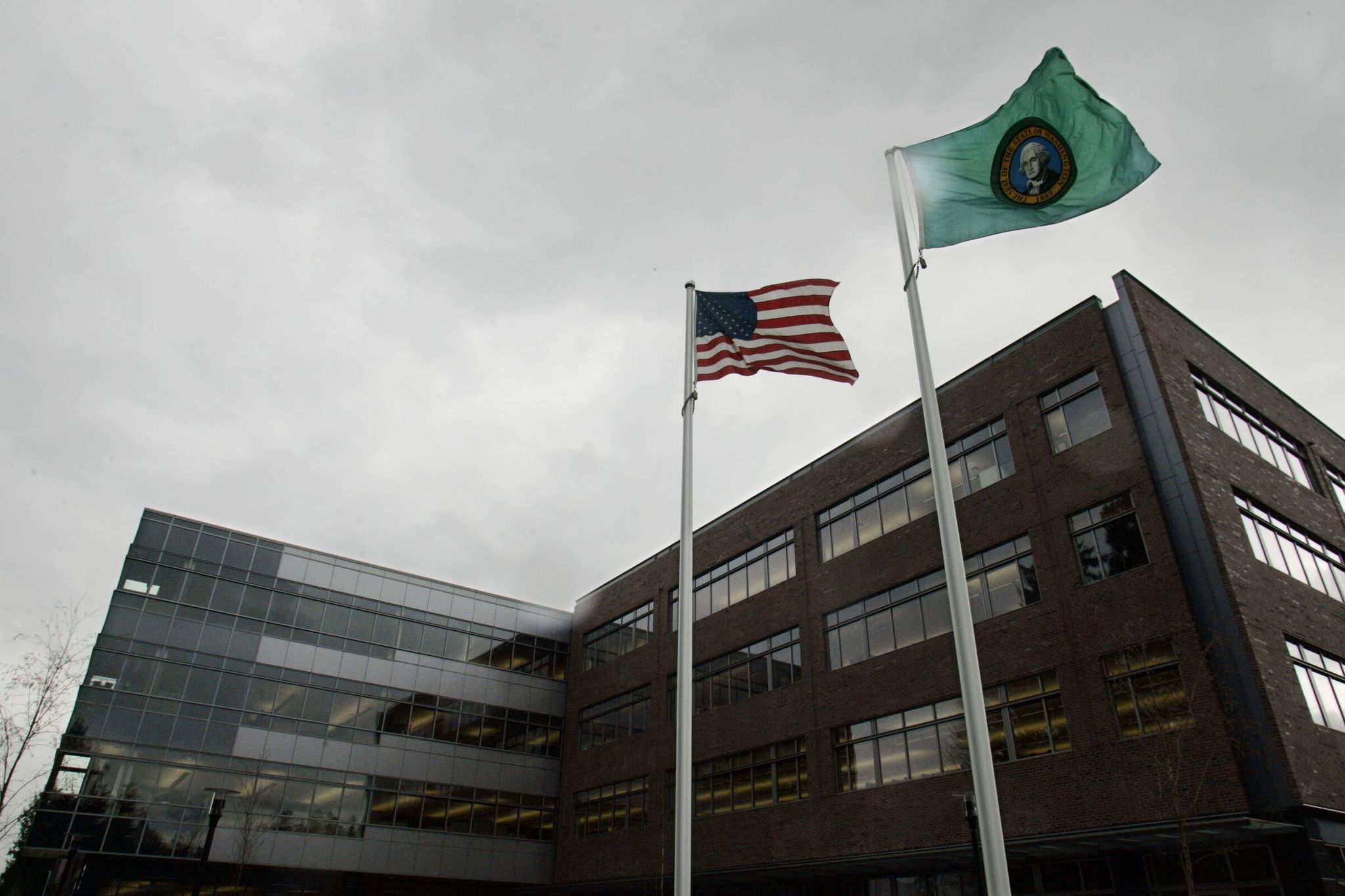
Based on: Washington eyes 2028 to launch electronic health records system