
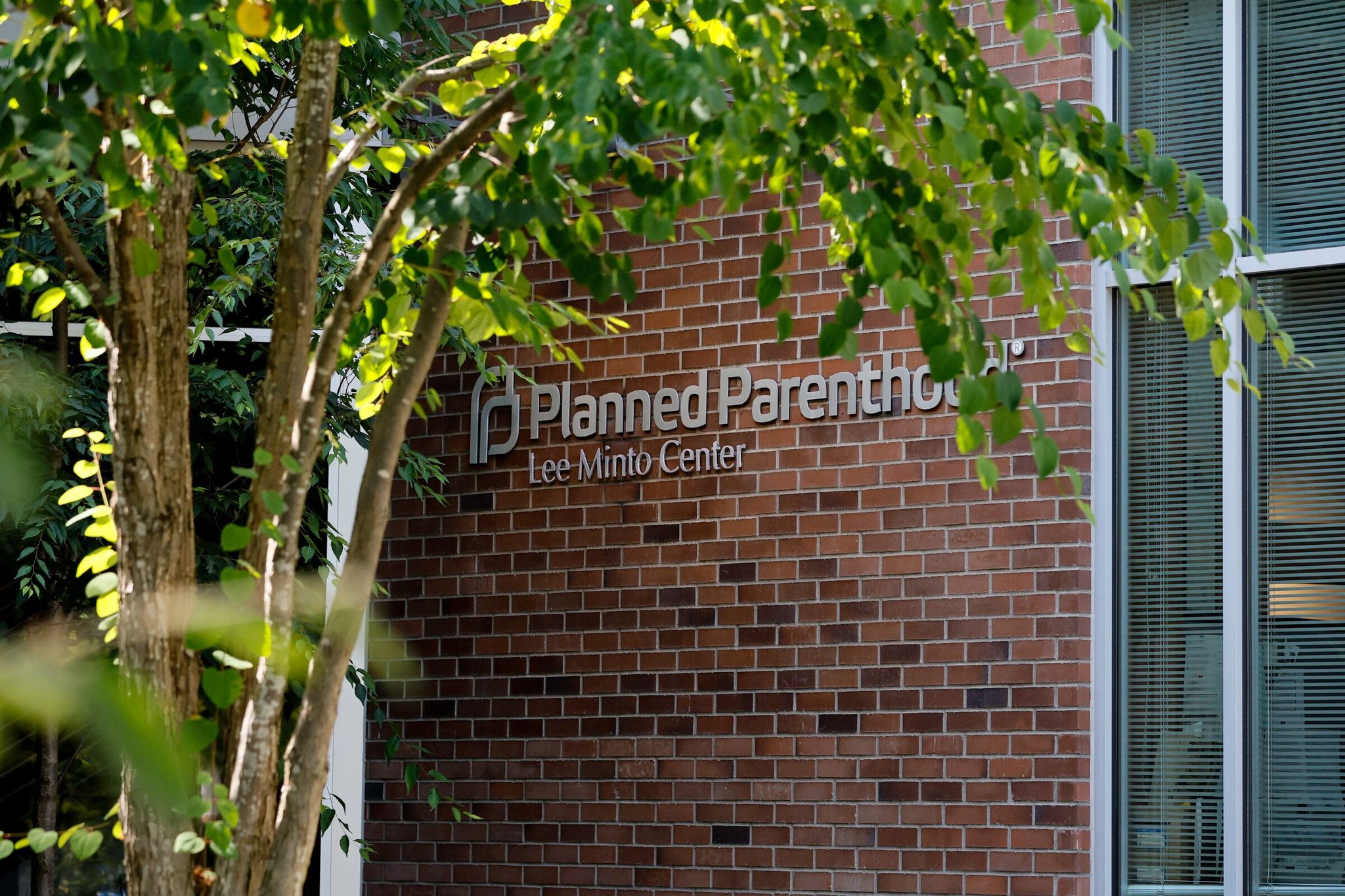
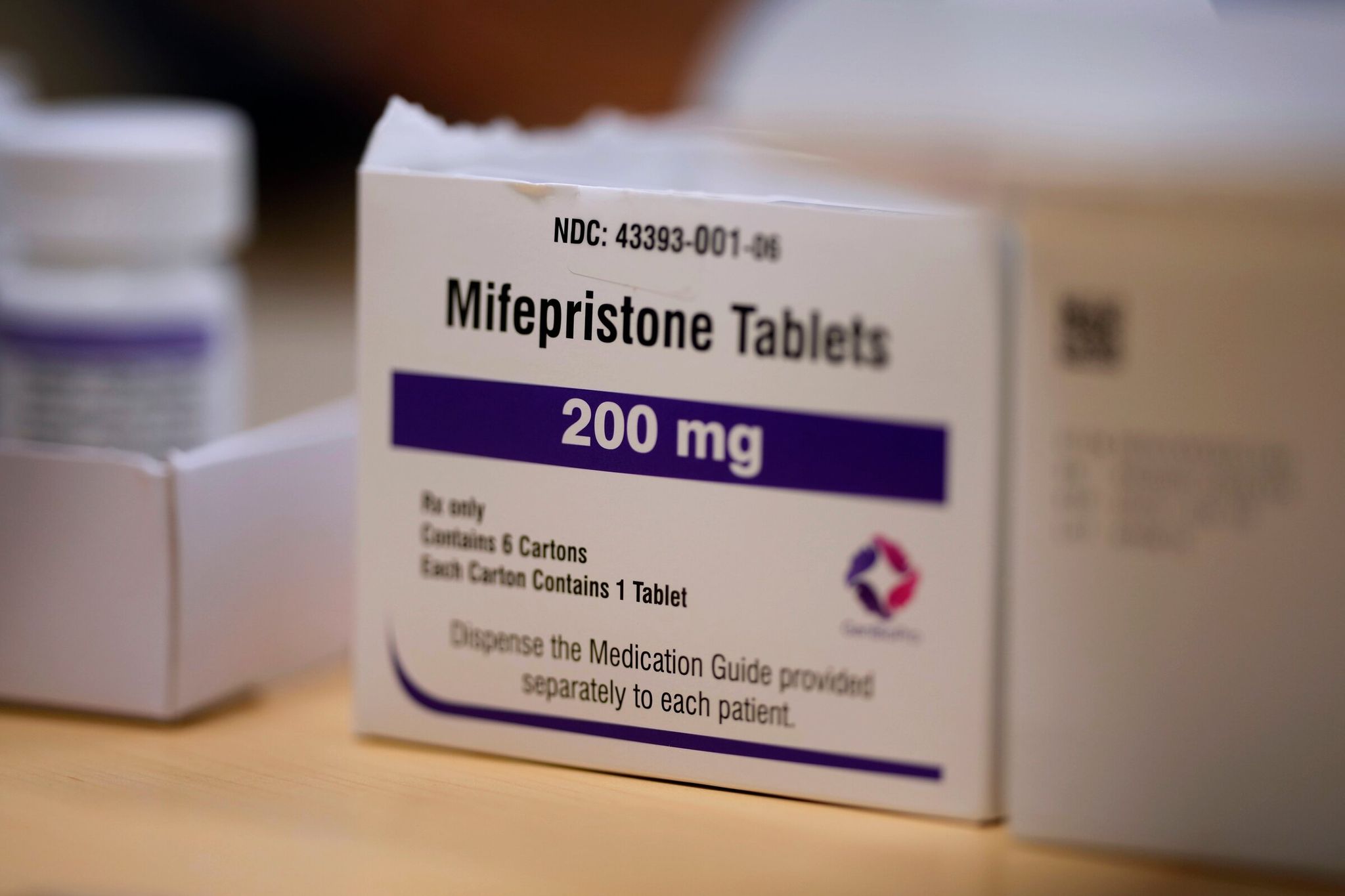
A new service from Planned Parenthood, launched last week in Washington and Hawaii, allows people to pre-order medication for a medical abortion before they are pregnant. The program, called "Just In Case Abortion Pills," is intended to help people prepare for a possible unintended pregnancy, especially amid growing legal restrictions on abortion in the U.S. Patients can now obtain mifepristone and misoprostol ahead of time to take if needed.
Dr. Collin MacNicholas, Planned Parenthood’s chief clinical officer, explained that it’s an opportunity "to help people plan and be prepared for the future when they might need access to a medication abortion and expect to face barriers." The service launch coincided with new court battles over access to pills — in May the U.S. Supreme Court restored broad availability of mifepristone, overturning limits on its mailing. Since 2022, after the overturning of Roe v. Wade, many states have implemented total bans on abortion, worsening the access crisis.
Interest in preordering abortion medications has been growing for more than a year. Anna Fiastro, a researcher at the University of Washington and a leading expert in reproductive health, notes that surveys show this practice is especially popular in regions where abortion is banned by law and among people who have already had an abortion. The University of Washington has been a center for developing clinical protocols for medication abortion, including telemedicine consultations, and Fiastro, as a practicing clinician, studies access barriers. "There are people who don't want to go through the entire clinical process before simply taking the pills and moving on," she says. Even in states where abortion is legal, transportation costs, service fees, and confidentiality concerns remain significant barriers.
Availability of the service in Washington was made possible by state law. The state guarantees the right to an abortion until fetal viability and does not impose restrictions on telemedicine or mailing medications. Unlike Texas or Idaho, Washington has no requirements for an in-person visit, waiting periods, or mandatory ultrasounds. The "Reproductive Health Protections Act" (SB 5499) explicitly allows the mailing of abortion medications as part of telemedicine. The telemedicine system works as follows: the patient fills out an online form, then has a video consultation with a clinician (asynchronous review of information is possible), and if there are no contraindications the medications are mailed within 1–3 days. There is no strict upper gestational limit set by the program for medication abortion (typically up to 11–12 weeks, but clinicians decide individually). Restrictions only apply to mailing medications to states where they are banned, and patients must confirm they are located in Washington during the consultation.
The service is available to patients aged 18 and over. Pills can be ordered either in person at a Planned Parenthood center or during a telemedicine visit — in the latter case the medications are mailed. The price is $100 when added to an already scheduled visit or $150 for a standalone appointment. That fee covers the clinician consultation, the cost of the medications (mifepristone and misoprostol), and shipping logistics, which is significantly cheaper than traditional clinic services ($300–$600). The organization also offers financial assistance for those who cannot afford the service. In addition to Planned Parenthood’s general support, Washington has a State Reproductive Health Fund that provides partial or full coverage for low-income people, the Apple Health (Medicaid) program for low-income residents, and Cascade Care Savings subsidies for those who don’t qualify for Medicaid but have incomes below 400% of the federal poverty level. The kit includes one mifepristone pill (which stops the pregnancy from progressing) and three doses of misoprostol (which cause uterine contractions).
The medications have a shelf life of about two years from the date of dispensing. Before prescribing, a clinician explains in detail how to take the pills and answers any questions. MacNicholas emphasizes that medication abortion is considered safe for the vast majority of people — except in cases of ectopic pregnancy and other rare contraindications. "The truth is that a huge number of people seeking abortion have no contraindications to using the pills," she says.
Asked about potential shortages of pills for people with an existing unwanted pregnancy, MacNicholas said she is not worried, even if demand for preordering is high. Critics argue the practice encourages "stockpiling" pills and reduces clinical oversight. However, experts, including Fiastro, point to research showing that patients can read the package instructions and safely take the medication on their own. If questions arise, they can always contact Planned Parenthood providers.
Fiastro believes the pre-prescription model will expand as more people learn about it and other clinics adopt similar services. That, in turn, will help reduce stigma and misinformation around abortion. "Just as medication abortion clarified what early pregnancy termination can look like, advance provision does the same — perhaps one step further — asserting that it’s very safe, very effective, and you can take it into your own hands and manage it," the researcher summarizes.
Thus, the new Planned Parenthood program in Washington and Hawaii represents a step toward expanding reproductive autonomy: people can now obtain means to end a pregnancy in advance, without waiting for an unintended pregnancy to occur. This is especially relevant amid a continually shifting legal landscape and rising barriers to abortion care in many U.S. states.
Based on: WA Planned Parenthood rolls out new abortion pill service